


So-called ‘SorPorKor land’ became available through Agricultural Land Reform Office (ALRO) after the agency was formed under the Land Reform Act of 1975. ALRO is better known by its Thai initials, SorPorKor.
The land-reform project was intended to provide poor farmers with what was deemed to be degraded forest areas so that they could eke out a living growing crops on state land.
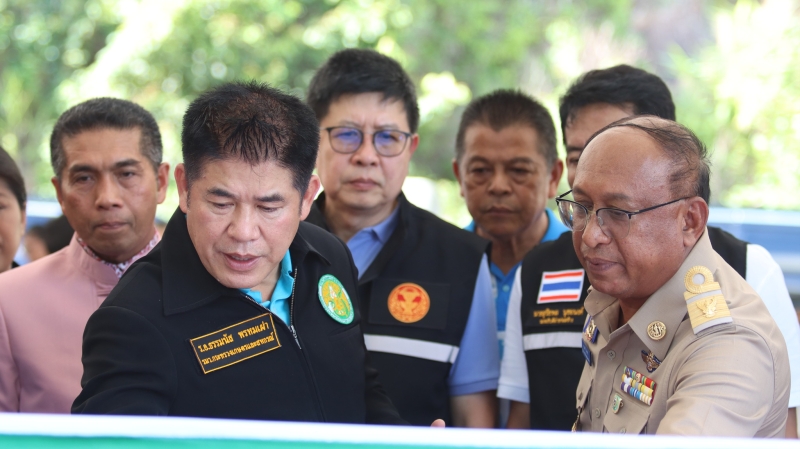
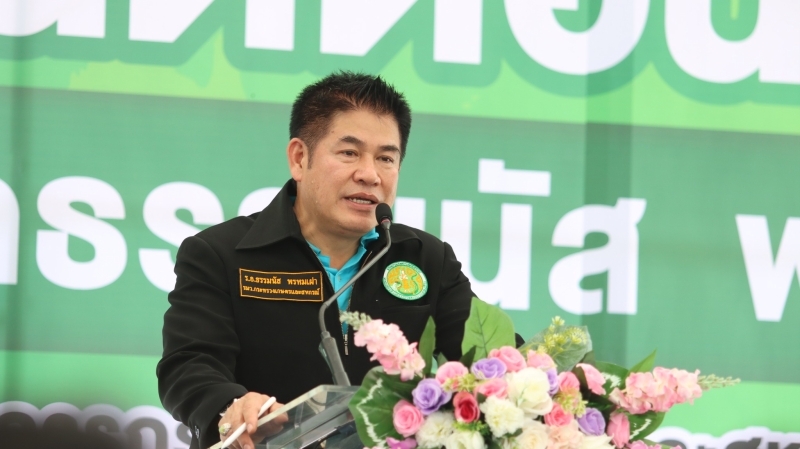
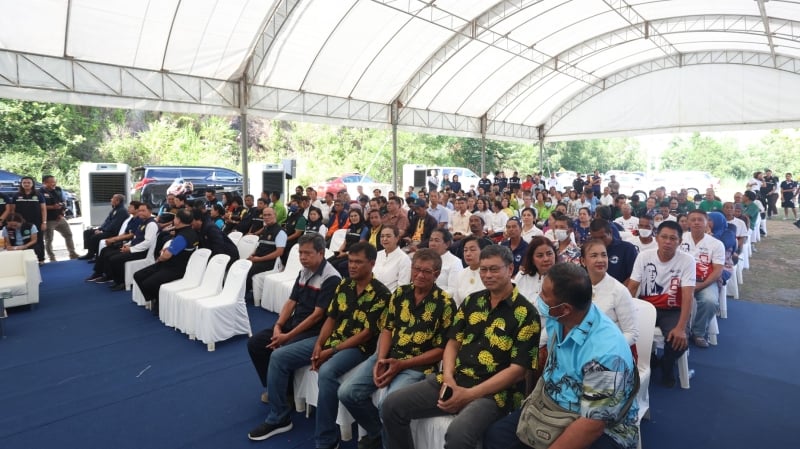
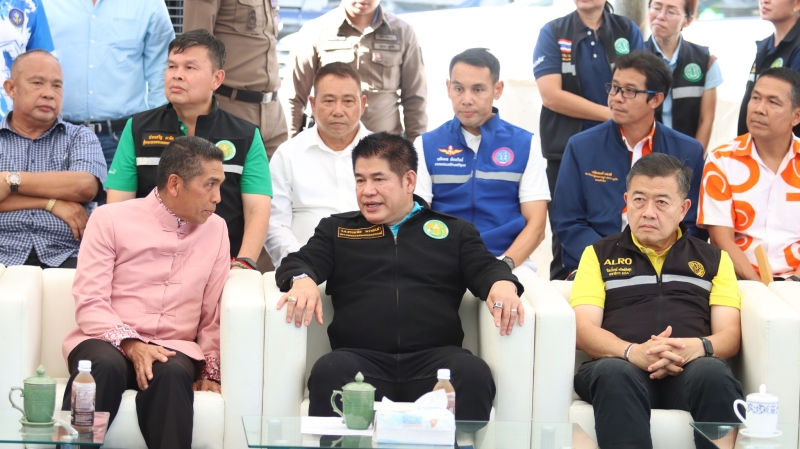
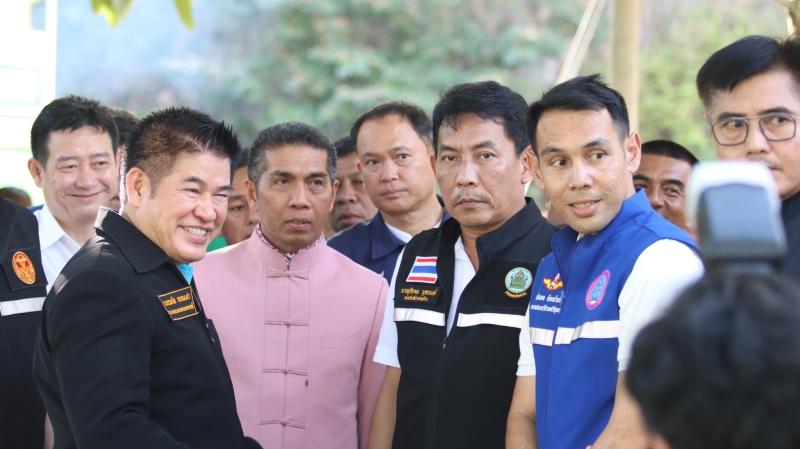
Phuket Province has areas in the “reform zone”, Mr Thamanat said at an event held at Bang Neow Dum reservoir in Srisoonthorn yesterday attended by Phuket Governor Sophon Suwannarat and heads of local government offices.
In total, there is 32,372 rai of land in Phuket under the administration of ALRO, Mr Thamanat explained.
Of that total, 13,184 may be allocated to farmers, and so far 9,701 rai of that land has been already allocated to farmers as 687 plots assigned to 583 ‘cases’ in 10 tambon (subdistricts): Ratsada, Karon, Chalong, Rawai, Kathu, Kamala, Patong, Cherng Talay, Srisoonthorn and Pa Khlok.
“The problem with the land in ‘reform zone areas’ is that overall it is hilly,” making it unsuitable for farming, Mr Thamanat noted.
However, he added, much of the land had sea views “and is suitable for use for tourist service businesses that can generate very high incomes”.
“This can create a good living situation for farmers,” he added.
“There is a need to use land to serve tourists in various businesses such as hotels, resorts, accommodations, shops, restaurants,” Mr Thamanat said yesterday, according to an official report of his visit.
“The solution is to allocate community land according to the announcement of the Agricultural Land Reform Office regarding the allocation of community land in agricultural land reform areas announced on October 30, 2020,” he said.
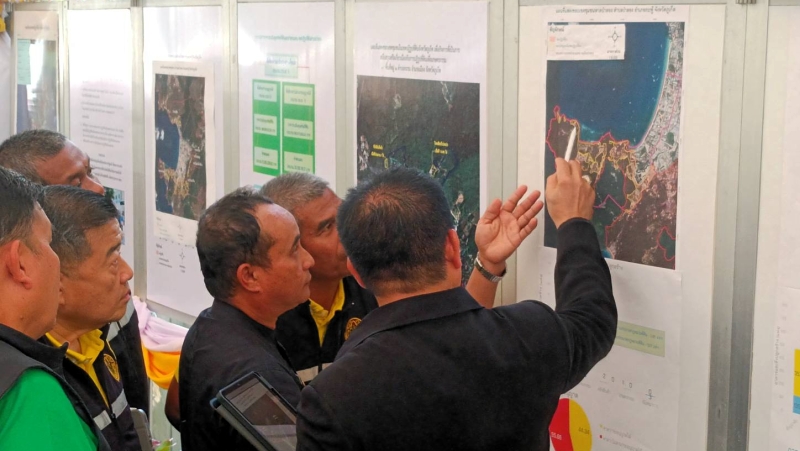
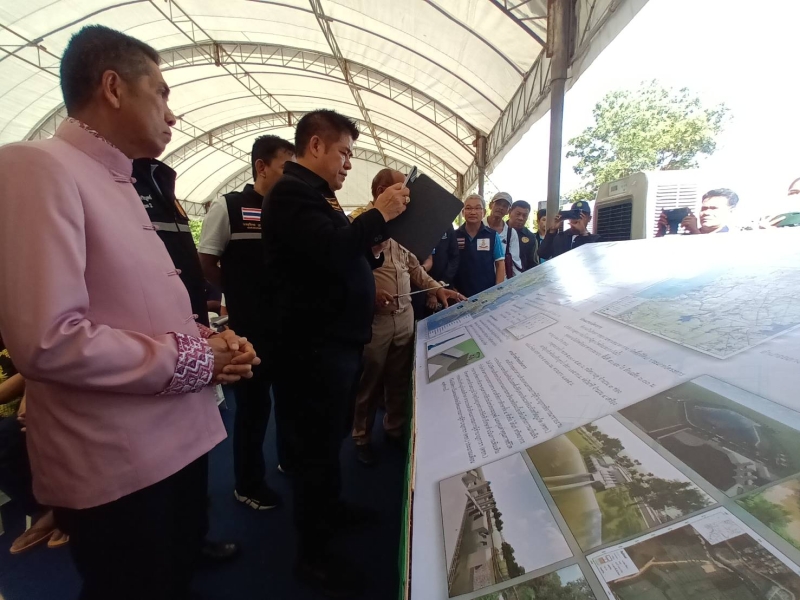
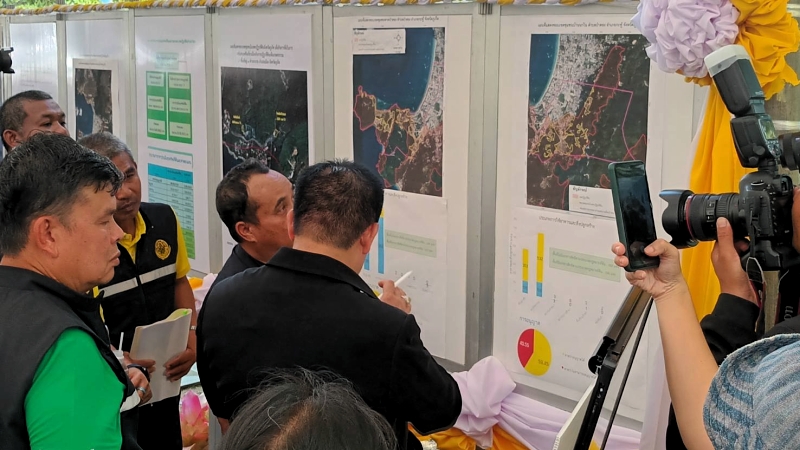
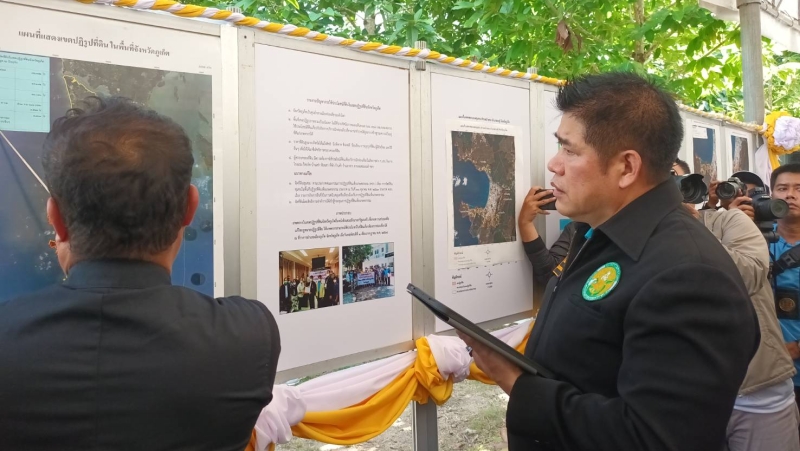
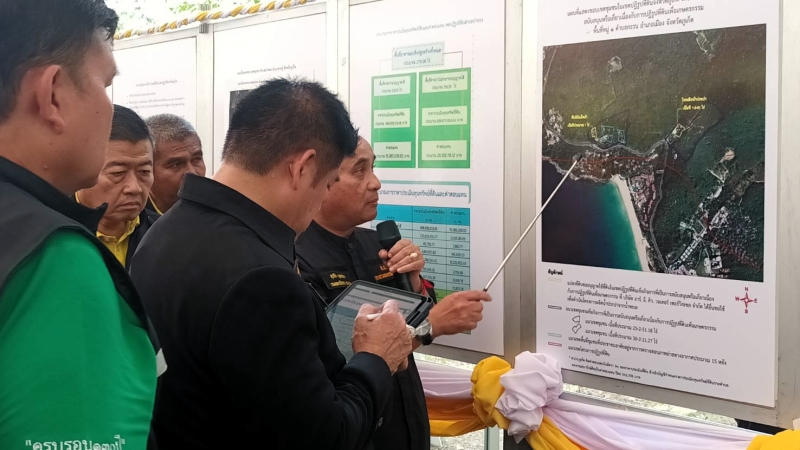
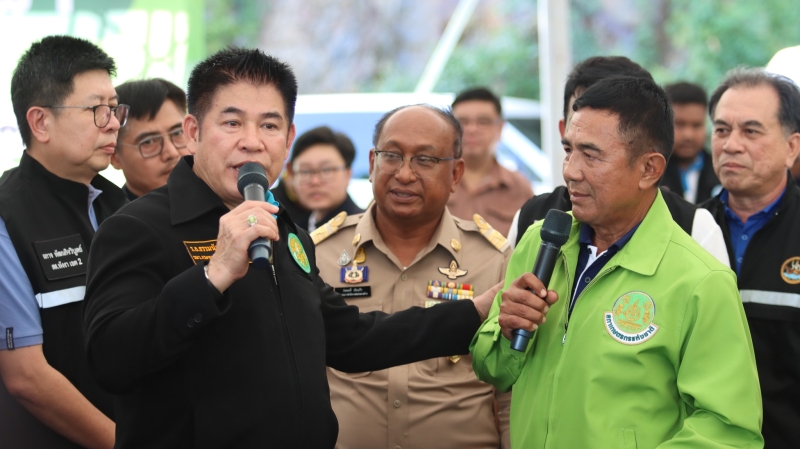
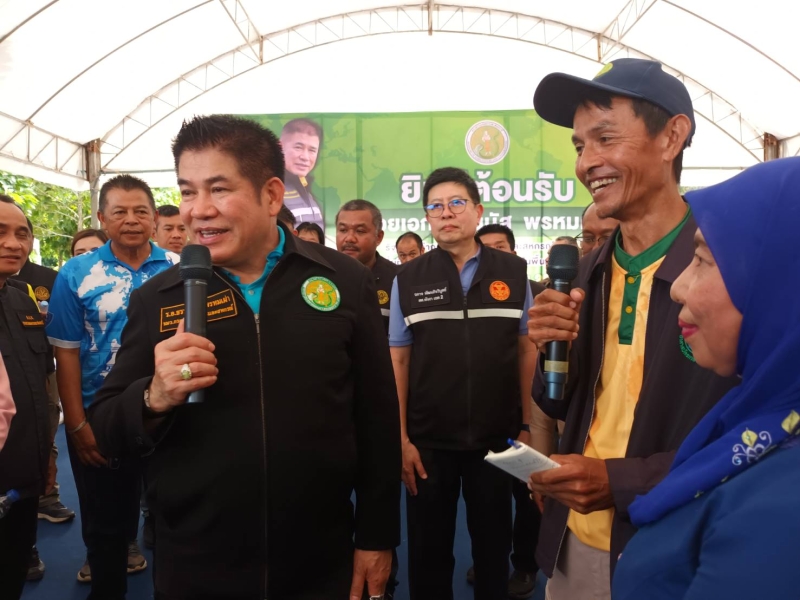
Mr Thamanat yesterday reviewed maps of areas in Phuket with SorPorKor land that may be developed. Local officials guided him with explanations of the areas that he was reviewing, and local farmers present made their pleas to develop land for tourism purposes, and explained key issues they were facing.
Mr Thamanat noted one key issue: “Land prices are very high, and causing rights disputes and land owners [sic],” he said.
The revision of SorPorKor land use in 2020 caused much concern in Phuket. Under the original “nine rights” laid out in the Land Reform Act of 1975, farmers allocated SorPorKor land were issued a SorPorKor land-use document and were allowed to use the land for agricultural purposes only. The land-use rights were allowed to be passed on to family members, but the land could never be sold legally as it was to forever remain owned by the government.
However, through the announcement in 2020, ALRO revised the uses that farmers are allowed to develop their SorPorKor land. The new regulations allow 12 uses: farming, petrol station, drinking water plant, market place, vehicle dealership, retail shop, post office, healthcare facility, restaurant, school, apartment complex and food-processing plant.
The move raised serious concerns among even property developers, amid fears of the impact of massive deforestation of the hills on Phuket would have on Phuket’s tourism industry ‒ the very industry that the farmers would be looking to cash in on. Of note, large tracts of land in the hills both north and south of Patong are SorPorKor land.
Regardless, the farmers Mr Thamanat met yesterday made a request for the issuance of title deeds in the land reform areas, and requested that he help to expedite the implementation of various projects related to the use of farmers’ arable land.
Of note, under the announcement in 2020, the aim of the expanded use of SorPorKor land was to allow leasehold rights to generate revenue for the Agricultural Land Reform Fund.
WATER
In addition to the SorPorKor land issues heard yesterday, Mr Thamanat noted that water supply and management was another key issue affecting the island.
The amount of water held by the island’s three main reservoirs ‒ Bang Wad in Kathu, Bang Neow Dum in Srisoonthorn and Klong Kata in Chalong ‒ may not held enough to serve the island’s needs, especially in light of Phuket’s tourism industry, he said.
Short-term, medium-term, and long-term plans had been prepared in order to support the tourism industry, Mr Thamanat said.
“Plans have been made to procure additional water sources at additional cost, such as developing the three existing reservoirs to be more efficient in storing water and developing mines in the area jointly between the private sector and government agencies to reserve water from during the rainy season,” he added.
A project to expand the capacity of Bang Neow Dum reservoir by 600,000 cubic meters was underway, Mr Thamanat said.
“For the medium term is the Ban Khok Tanod Water Diversion Project to bring water from the Khlong Thalang Basin, which can provide about 40 million cubic meters of water a year to fill in Bang Neow Dum reservoir during the dry season,” he explained.
Mr Thamanat yesterday also presented an agreement for R.E.Q. Co Ltd to continue producing fresh water for consumption in Phuket.
AGRI PROMO
Among the other activities at the event yesterday, Mr Thamanat gave away boxes of local produce, namely Phuket pineapple, to promote adding value to agricultural products and handed out B100,000 in subsidy funds to support local fisheries.
Farmers present yesterday requested that Mr Thamanat help push agricultural products to connect with tourism. “Because Phuket province has income from tourism, therefore agriculture should not be overlooked which also generates income for the people,” he said.