



Sharks made their way into international headlines when Dr Kongkiet Kittiwattanawong, Chief of the Marine Endangered Species Unit at the Phuket Marine Biological Centre, said a Blacktip Reef Shark was likely to blame for biting a tourist’s foot at Phuket’s Kamala Beach on Wednesday (Aug 16). (See story here.)
However, Phuket Governor Norraphat Plodthong quickly jumped into the foray on Wednesday to say that another marine life expert had told him unequivocally that the bite was from a barracuda. (See story here.)
“I believe that the bite was a barracuda fish, but it could have been a Blacktip Reef Shark,” said DMCR Adviser Dr Thon Thamrongnawasawat, who is also a marine biology lecturer at Kasetsart University.
“Don’t forget that a tourist was bitten in this region two years ago,” he added, referring to when Australian tourist Jane Neame, 37, suffered a serious bite to her foot at Karon Beach in 2015.
In the publicity frenzy that followed that incident, shark expert Tassapon Krajangdara, a specialist at the Phuket Coastal Fisheries Research and Development Centre, was adamant that the animal that bit Ms Neame was not a shark. (See story here.)
However, his opinion did not stop a helicopter assisted shark hunt being mounted. (See story here.)
“Please don’t hate sharks, because sharks don’t aim to hurt people, they just mistake you for small fish. When they realise you are not the right food for them, they leave you alone,” said Dr Thon.
“They are are not like in the movies where they are shown to intentionally attack people. These movies should share their income to protect sharks,” he added.
“We should find more ways to protect them, and push for sharks to be listed as protected marine animals. Sharks play an important role in the marine environment as they keep prey populations healthy. Sharks are at the top of the food chain in virtually every part of every ocean. In that role, they keep populations of other fish healthy and in proper proportion for their ecosystem. If sharks are removed, the marine ecosystem loses its balance,” he explained.
“The government should protect sharks by law. We have to understand and find ways to save and protect them,” Dr Thon said.
“And don’t eat shark fin soup,” he added.
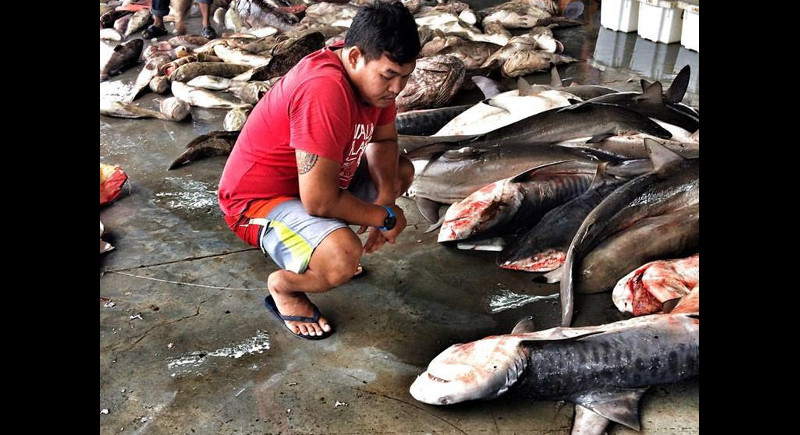
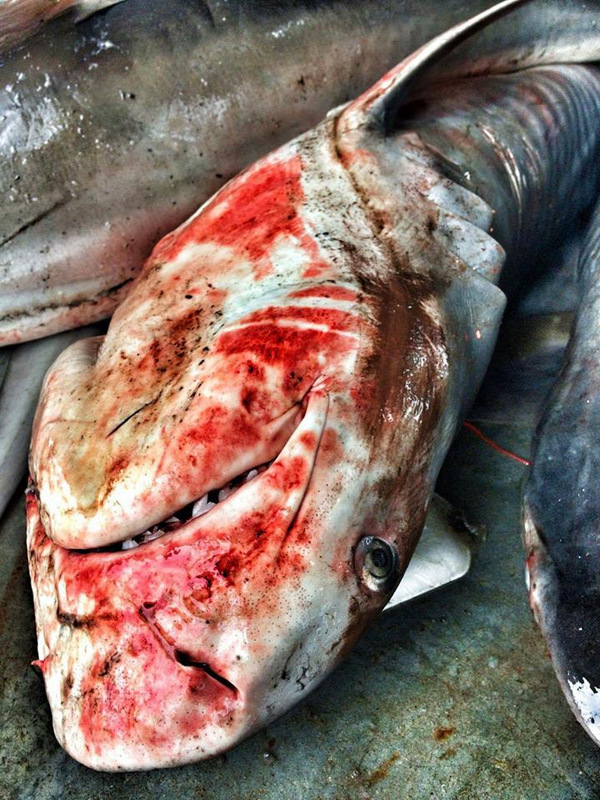
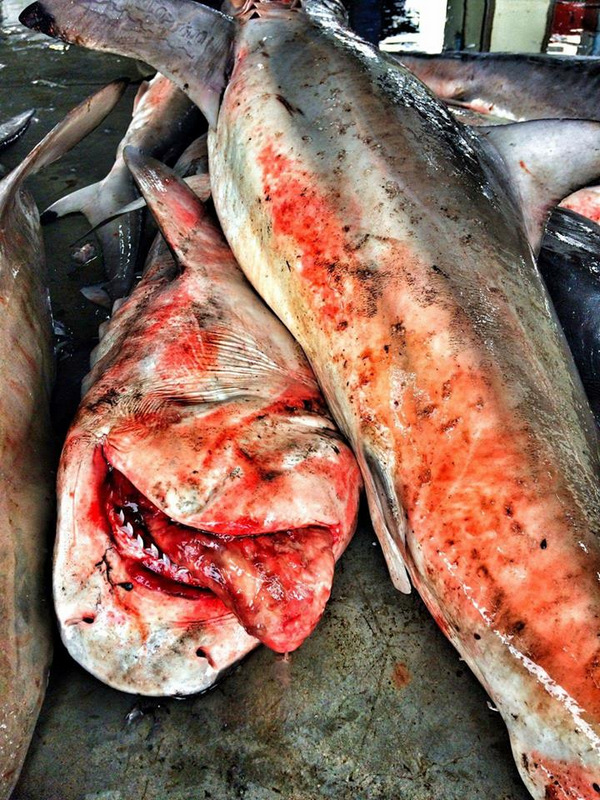
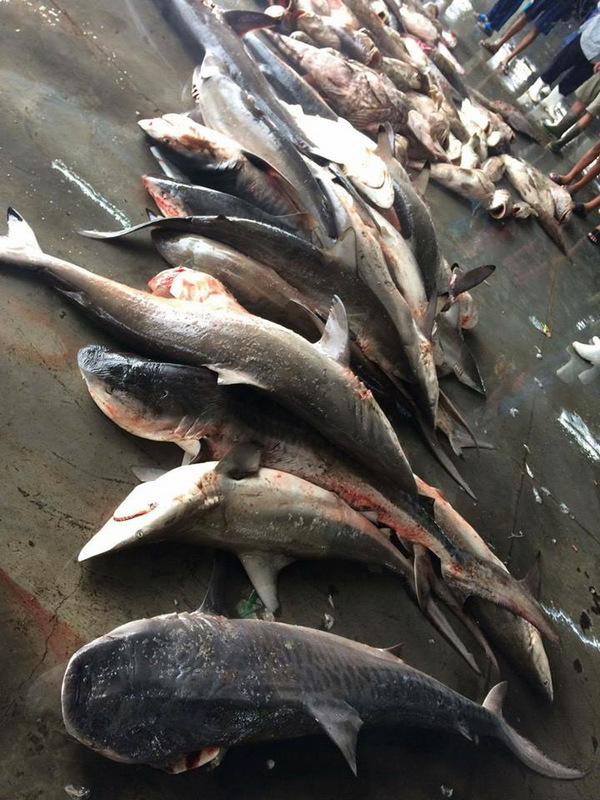
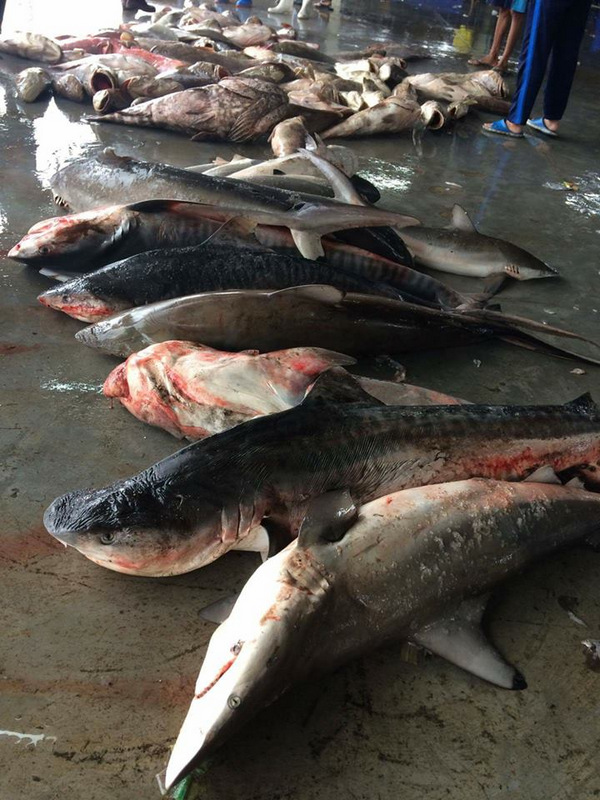
The call by Dr Thon for better protection of shark s also follows Phuket dive instructor Saranu Pinjaroen on Tuesday (Aug 15) posting photos on Facebook showing the remains of sharks caught by fishermen splayed out at a fish market near Jearawanich Pier in Rassada, on Phuket’s east coast.
“Very sad,” he said in his post. “I never see them when diving, but I can find them here at the market.”
“I understand that fishermen want to make money from them, but in Thailand sharks don’t have any laws to protect them like they do in Australia,” Mr Saranu told The Phuket News.
He estimated that he saw about 30 sharks at the market.
“Sharks are vital to the food chain in virtually every part of the ocean. Please save them, don’t kill them. They need to be protected, please,” Mr Saranu said.