


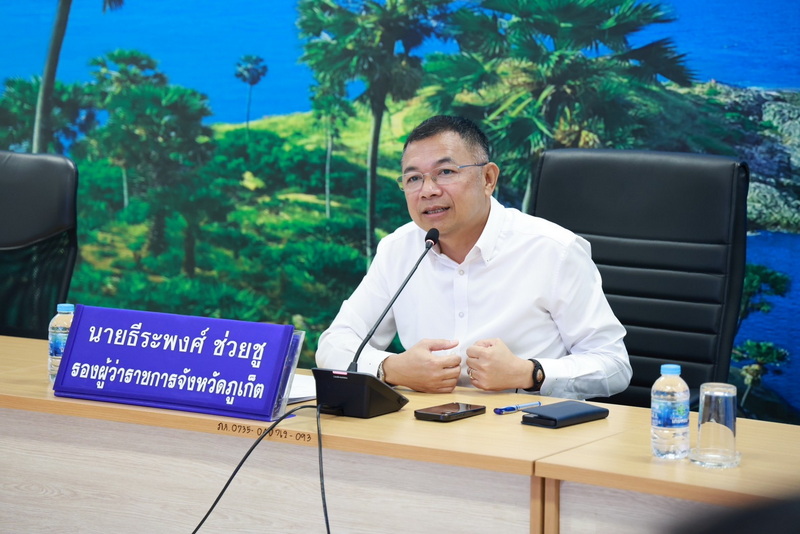
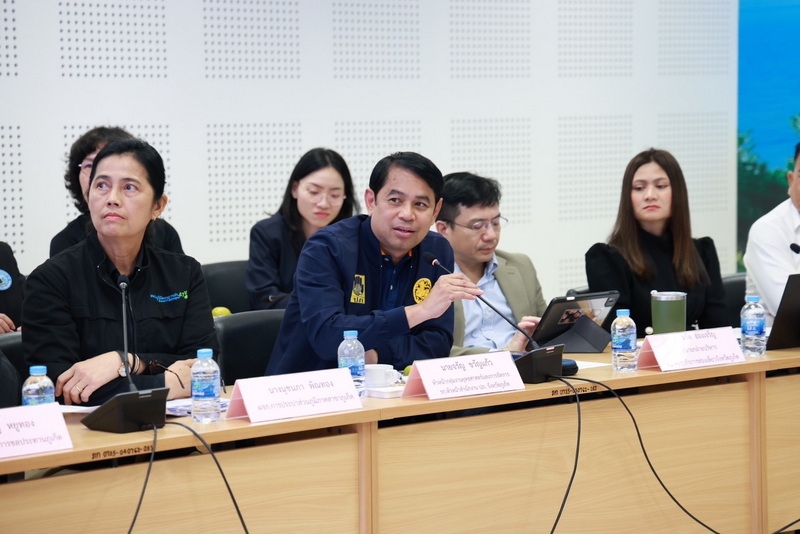
At the ‘Governor Meets the Media’ press briefing held at Phuket Provincial Hall this week, Phuket Governor Nirat Pongsitthaworn assigned Vice Governor Theerapong Chuaychu to chair the session, alongside key water management officials, to outline the province’s preparedness for drought conditions.
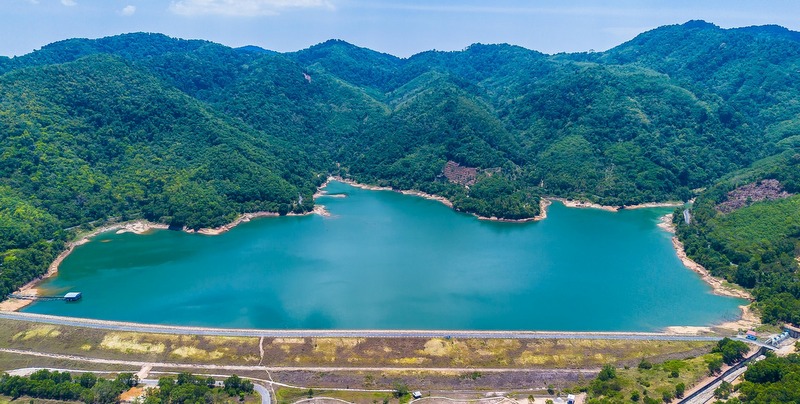
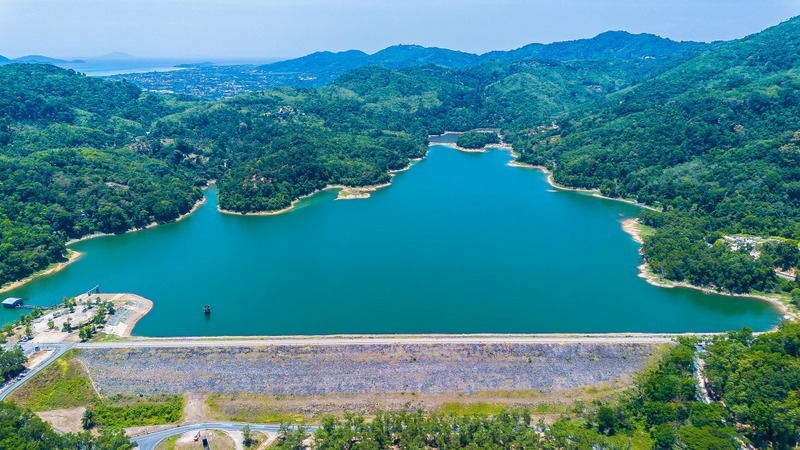
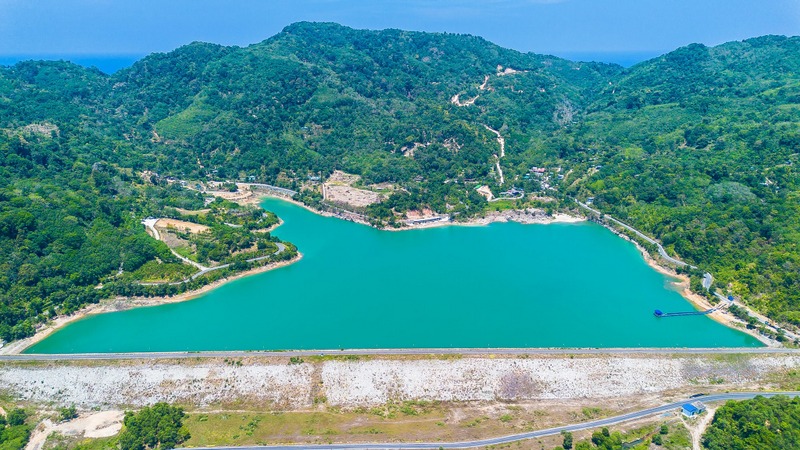
Officials confirmed that Phuket, despite its natural limitations as an island with restricted freshwater sources, continues to maintain adequate reserves. According to the latest data from the Phuket Irrigation Project as of Mar 30, water levels across the island’s three main reservoirs – Bang Wad, Bang Neow and Klong Kata – totalled approximately 11.22 million cubic metres, or 50.7% of combined capacity, a level authorities described as manageable.
The province is also compiling a database of alternative water sources, including former mining sites and private reserves, to ensure contingency supply for areas that may face localised shortages.
The Provincial Waterworks Authority (PWA) Phuket Branch reported it is continuing to operate at full capacity, producing more than 124,000 cubic metres of water per day, accounting for over 62% of the island’s supply. This includes water sourced from the Khum Mueang treatment plant in Phang Nga and delivered to Phuket via an underwater pipeline near Sarasin Bridge, before being distributed through the Mai Khao station.
Authorities added that coordination with local administrative bodies remains ongoing, particularly in key economic and tourism areas such as Phuket Town and Patong, where demand for water continues to rise.
Meanwhile, the Phuket Provincial Disaster Prevention and Mitigation Office has activated drought response plans, identifying 21 communities as high-risk and a further 28 under close monitoring. Measures include the installation of temporary water treatment systems capable of producing an additional 9,000 cubic metres per day.
More than 70 water trucks from various agencies have been mobilised to provide emergency supply where needed, while heavy machinery and support equipment have been placed on standby around the clock, particularly in hard-to-access areas.
Weather forecasts from the Southern Meteorological Center (West Coast) indicate that rainfall will remain limited in early April, affecting only around 10% of the region. However, precipitation is expected to increase gradually by mid-April, with more significant rainfall forecast from Apr 20 onwards, covering 40-60% of the area as the southwest monsoon strengthens.