


The easing of restrictions this week for people to enter Phuket, and most notably the easing of restrictions to allow venues that serve food to also serve alcohol and provide live music – both measures long overdue to many people on the island – did not come by anywhere as quickly as it was played out in the public sphere.
There is no way that the Governor publicly issued a written formal request one day to see the easing of measures requested relaxed the very next day. It just does not happen that quickly. The easing of the restrictions in effect in Phuket was not instant; those conversations had already happened.
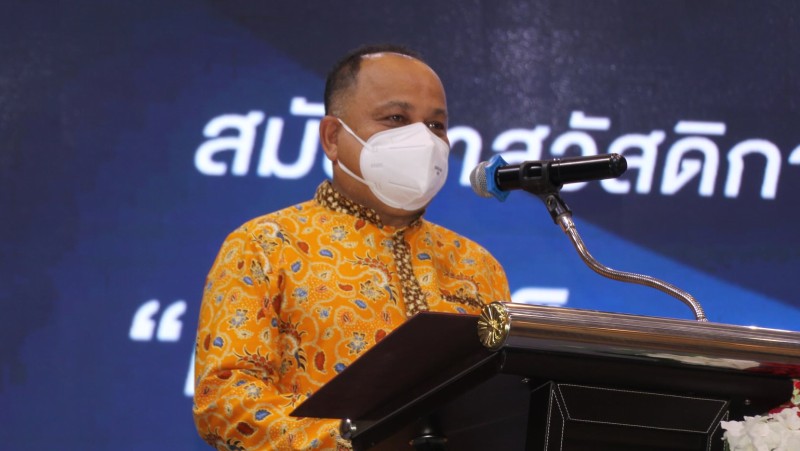
The most pertinent point Governor Narong included in his missive, at risk of embarrassing his superiors in Bangkok, was, “... as restaurants and food establishments in hotels and other food or beverage outlets serve Phuket Sandbox tourists, the tourists are affected. The service is inconsistent with the guidelines for promoting tourism in Phuket.”
Here we see the giant gap between Bangkok-appointed officials who are ordered to follow their masters’ bidding. If the position of Governor were an actually elected position, as a politician the governor would have been informing the people what his actual efforts were and laying the responsibility at the feet of those actually responsible for the rules being enforced.
While provincial governors may enforce stricter COVID prevention measures than those set out by the CCSA (Center for COVID Administration Situation), under the emergency decree, even as governor, Mr Narong is not allowed to relax any measures without Bangkok’s consent.
He must follow his superiors orders, and that includes not telling the people exactly who in Bangkok has decided that people in Phuket will have to continue to suffer deepening personal financial hardship under the measures extended. Those thinking that the governor should ‘break the code’ and just do what he feels right, even if what the people are asking for might bring more harm than good, may not be fully appreciating that doing so is pointless. He will just be replaced by someone who will toe the line – there is no secret in that.
This is the problem of being held responsible for everything in Phuket when everything needs monitoring and when those “above” you are making decisions they are not being held responsible for.
The position of Governor is to ensure that Bangkok-mandated policy is implemented in Phuket, and to carry feedback from the people of Phuket back to Bangkok. The latter Governor Narong has clearly done. As early as last year he travelled to Bangkok to deliver the message in person how much the island has been suffering under the COVID control policies, and we have all seen the lack of impact that has had. That is not the governor’s fault.
All of this is not to exempt our governor from being the focus of criticisms. That is his job. And none of this excuses the current national administration for its many, many failings. This is just to highlight the reality of the theatre the governor must operate in.
And this is certainly not to excuse any krieng jai, the Thai practice of not upsetting the social order by questioning any person in a perceived position of superiority, either officially or socially, which many Thais uphold to be an integral aspect of Thai culture.
There are now plenty of Thais who believe that there is nothing impolite about asking those responsible legitimate questions about policies that are having a direct impact on their lives. How the questions are asked is matter of politeness, not just the fact that questions are being asked.