


Tourist numbers are are nowhere near what tourism officials touted months ago, Bhummikitti Ruktaengam, President of the Phuket Tourist Association, admitted during an NBT interview broadcast online earlier this week. The TAT’s Daily Tourism Reopening Report for Friday (Jan 14) showed only 2,453 international arrivals.
For that, at this stage, Phuket should be grateful, considering the bureaucratic mess tourists are now choosing to avoid and the uncertainty over what happens to them once they get here.
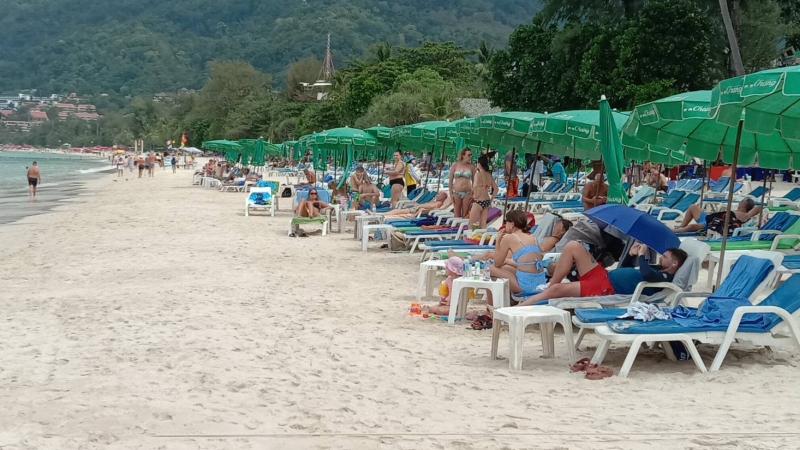
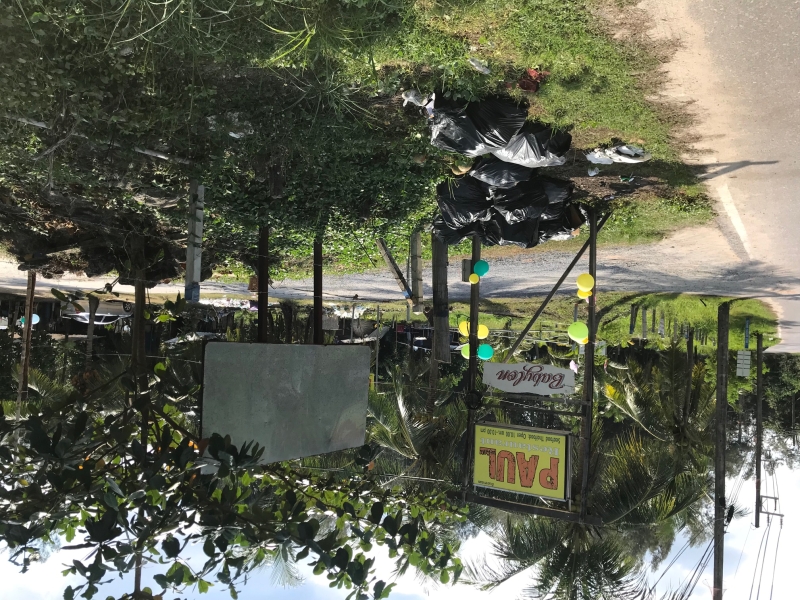
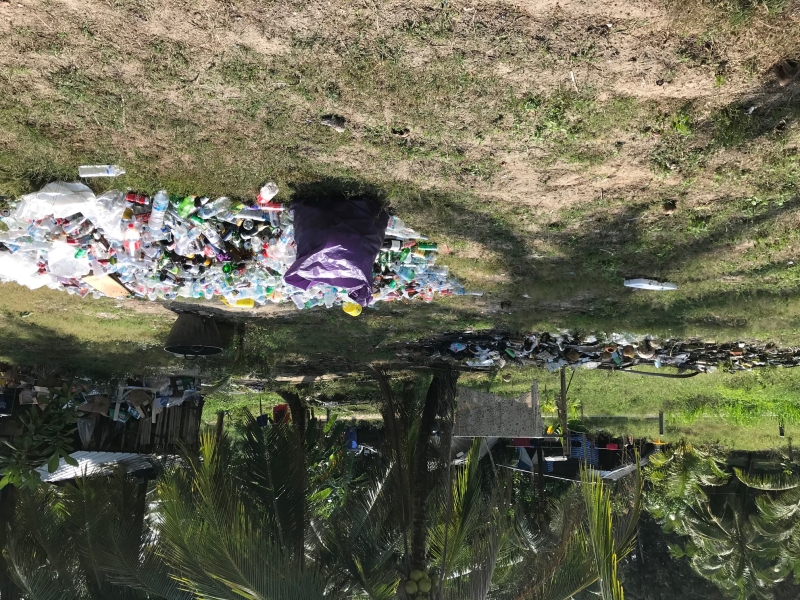
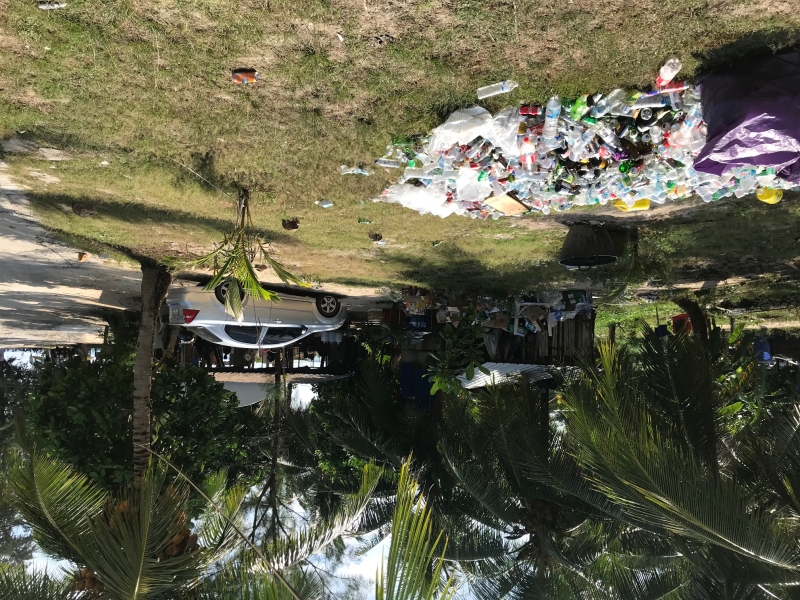
Meanwhile, the greatest concern for people on the island is what they face when they do finally come. Trash is now found piling up near the entrances of popular tourist beaches in Cherng Talay, namely Layan Beach. The car park near Nai Harn Beach is occupied with local vendors, causing crowds during the busy period near nightfall and leaving the area strewn with litter.
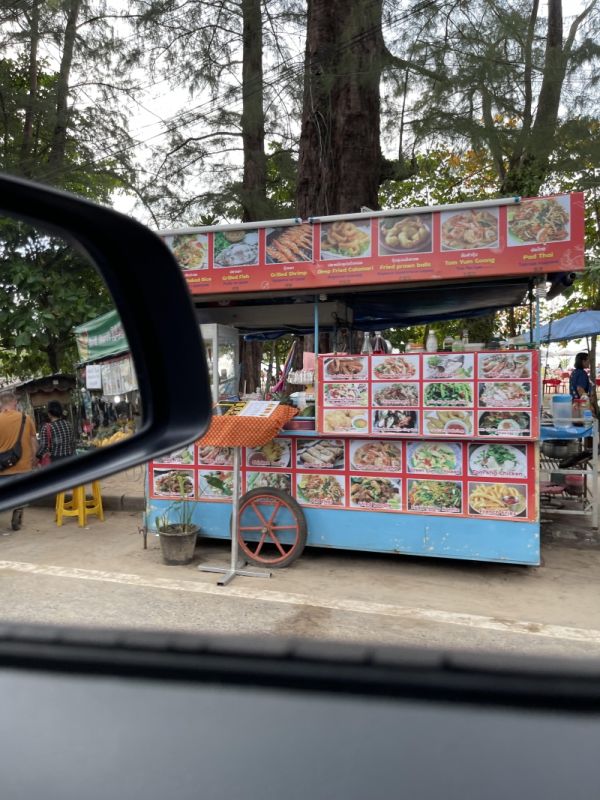
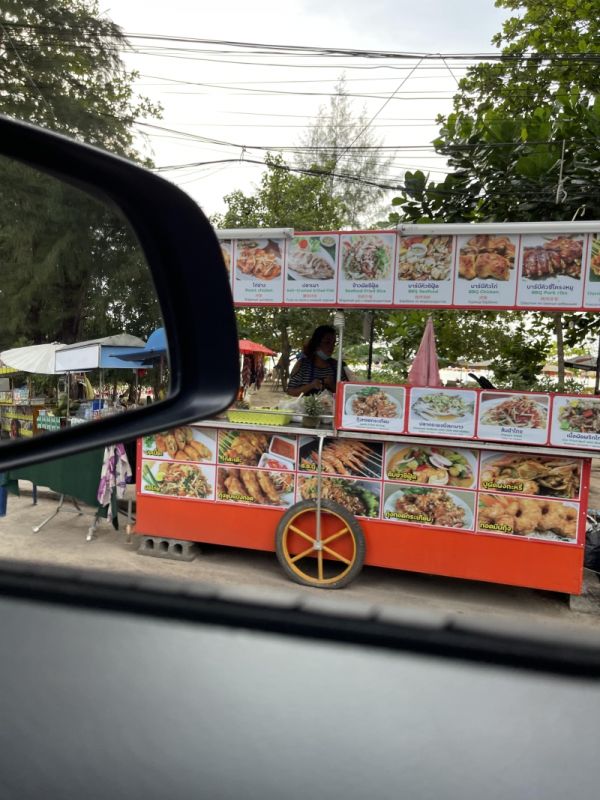
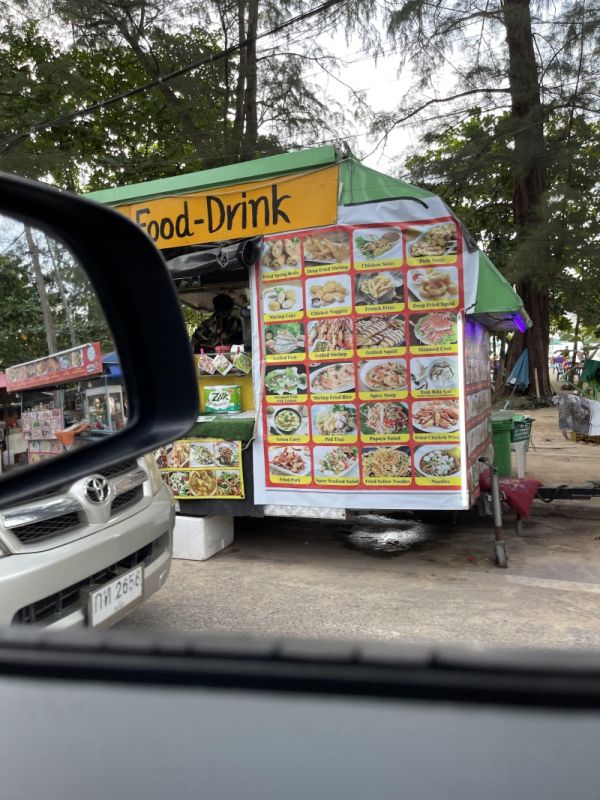
At Nai Yang Beach mobile food vendors have taken up the beachfront road, leaving the established restaurants without customers after the owners have spent what money they have on paying staff and rent, and observing all the requirements for opening under COVID regulations.
As for the tourists themselves, people looking to travel to Phuket to enjoy a holiday now have to consider do they want to be in the same areas as people who blatantly ignore the much-touted requirement of wearing a face mask in public and people who abscond from their hotel as soon as they discover they have tested positive for COVID.
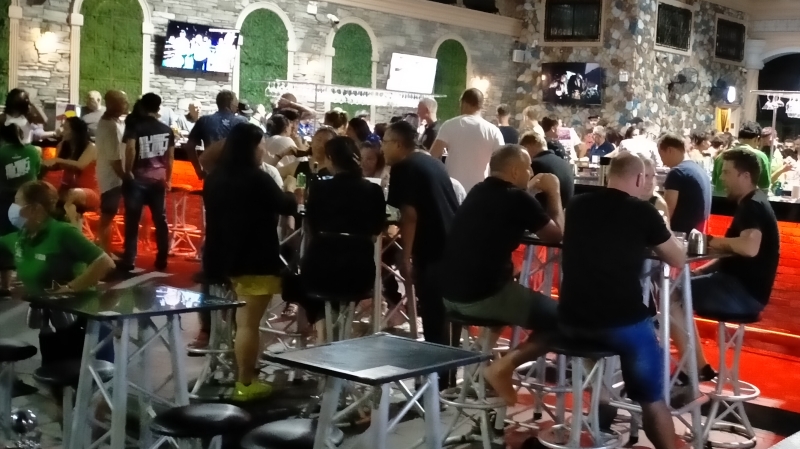
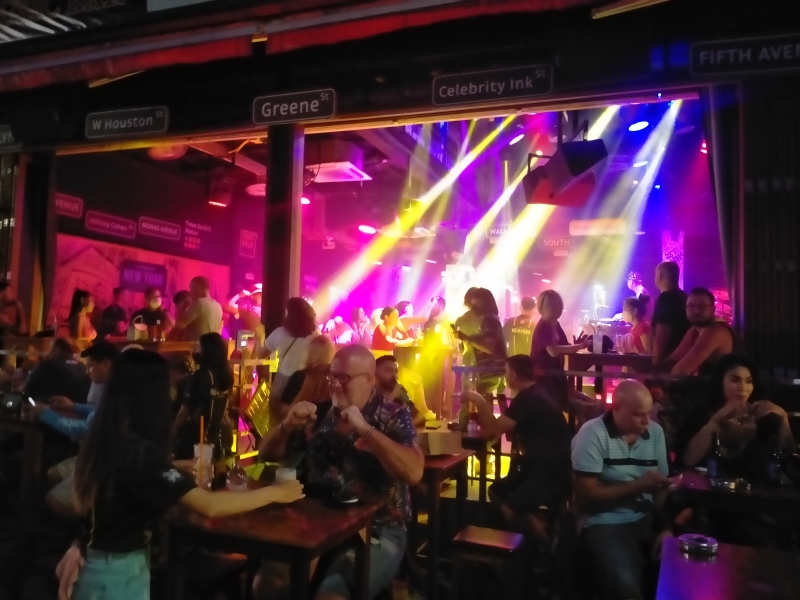
Without doubt Russian tourists are getting a lot of the blame, especially for not wearing face masks and rightly so for their behaviour in the Cherng Talay area, but a visit to Bangla Rd will easily prove that Russians are not the only source market demographic flouting the rules. On party street, hardly any foreigners are wearing face masks, nevermind observing social distancing.
As for which tourists are fleeing their hotel after learning they are COVID-positive, that point now falls de facto squarely onto Russian arrivals.
Phuket Governor Narong Woonciew a week ago called in Consul-Generals and Honorary Consuls to expressly deliver the message to tell their nationals to follow the rules in Phuket. For the Russians, that message never seemed to get through.
A check of the website of the Russian Embassy in Bangkok shows no notices warning Russian nationals coming to Thailand to wear face masks while in public – regardless of what they think they have the right to outside of Russia. The Russian Embassy official Facebook page shows no notices for regarding COVID-19 for at least three months.
The Phuket News has been unable to determine whether Russian Consul-General Vladimir V. Sosnov or his office have issued any public information notices for Russians on the island about breaking COVID rules while in Phuket.
Yet the clearest message has been the lack of consequences for breaking the rules. Officials may be apprehensive of another wave of negative publicity if they do start enforcing the rules, but right now the lack of any enforcement is likely doing much more damage to the island’s tourism prospects.
If they still think that if they don’t say anything no one will know, then they’re living on the wrong planet. These issues need serious, urgent attention, before the situation gets out of hand. For starters, there are already plenty of reports that Thai tourists no longer want to come to an island where foreigners are openly spreading COVID-19.
If officials are going to continue their mantra about following COVID rules, then they need to enforce them. If the rules are now outdated and no longer need to be applied, then they need to drop them – and tell everyone that the rules have changed. You can’t have one set of rules for one group, and another set of rules for everyone else. Governments that do that tend to end up with a certain label.