



“The COVID-19 situation has caused a crisis in Phuket. It’s as difficult as the tsunami [in 2004] because Phuket has no income right now,” Phuket Chamber of Commerce President Thanusak Phungdet told a meeting at Phuket Provincial Hall on Thursday (May 7).
Mr Thanusak said he did not expect the tourism sector to experience any form of recovery for at least six months. Even by then tourism-dependent business on the island would see only 20-30% of the income they previously enjoyed, he added.
“Right now, we don’t know how much the private sector will be able to receive government remedies and we don’t know how well they can take care of their employees – and the most important thing right now is how to get them to have a job,” Mr Thanusak said.
As revealed by Patong hotel and restaurant businessman Preechavude “Prab” Keesin on Tuesday, Mr Thanusak also called for the government to urgently survey how many people have been left out of work due to the COVID-19 situation.
“I want the government to conduct a survey of how many people are unemployed at village level, subdistrict level, district level and provincial level. Then the private sector can start finding a way to offer these people work for the jobs they can do,” he said.
With Phuket fully dependent on tourism, the island was likely to be suffering more than any other place in the country, Mr Thanusak said.
“I think there are unemployed people all over Thailand, but the number of unemployed in Phuket [per capita] is probably the highest,” he added.
“Therefore, we must ask that local administration organisation, in accordance with the announcement of the Prime Minister’s Office to issue measures to counter the effects of COVD-19, start collecting unemployment information quickly and open discussions on how help can be provided,” Mr Thanusak said.
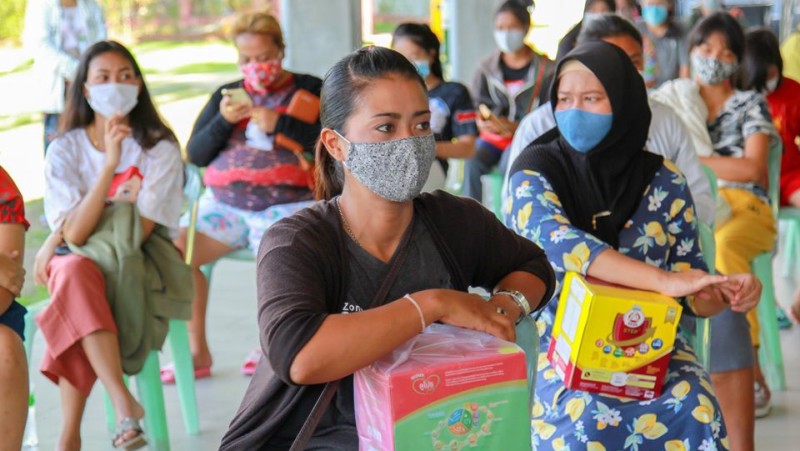
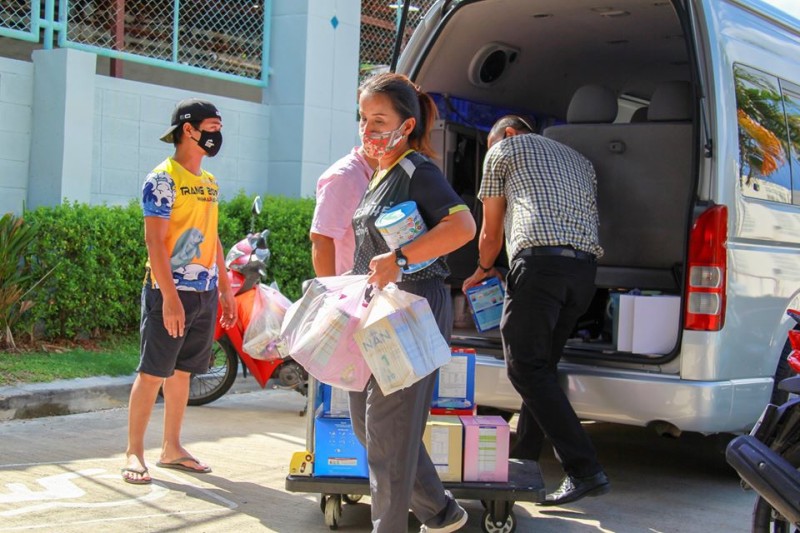
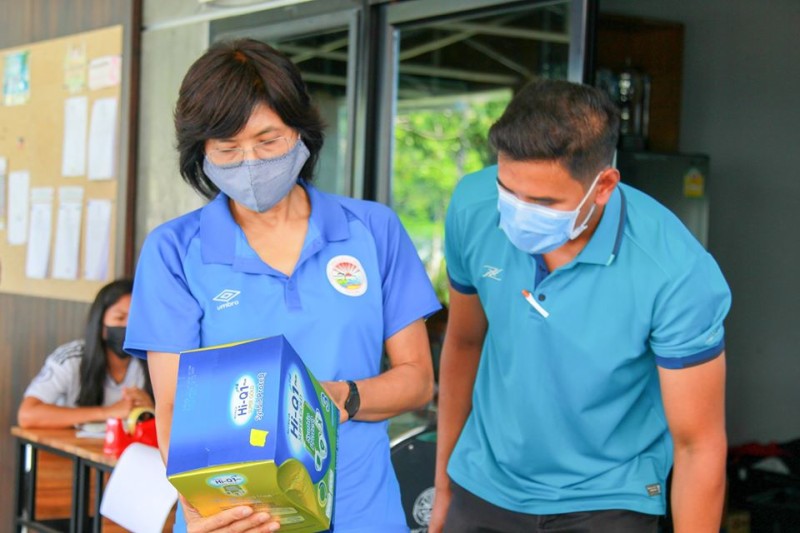
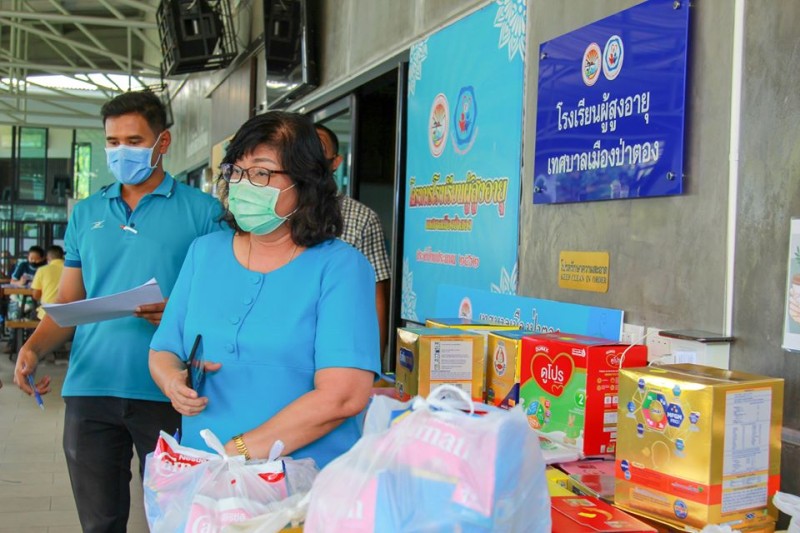
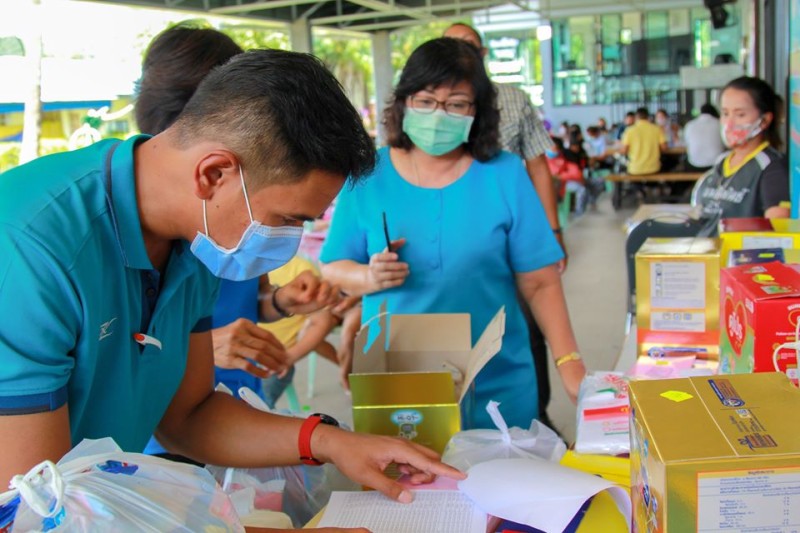
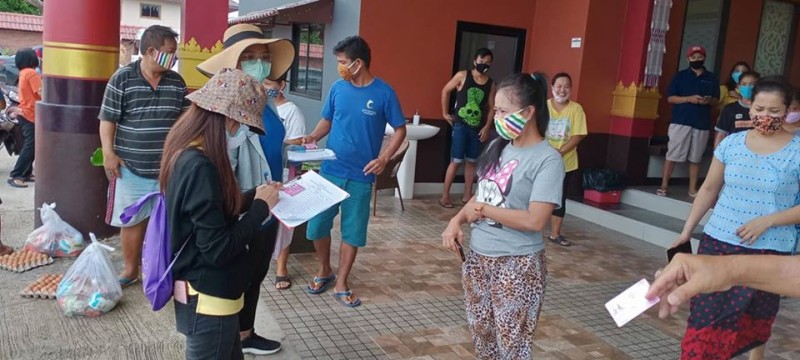
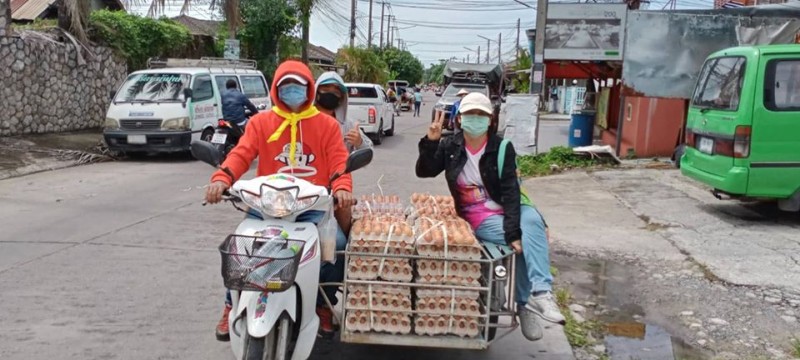
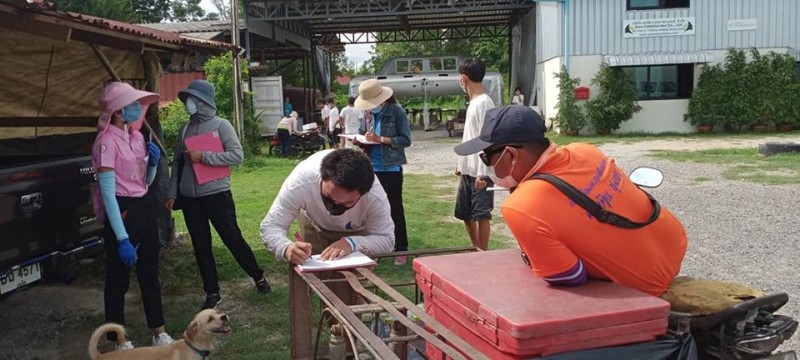
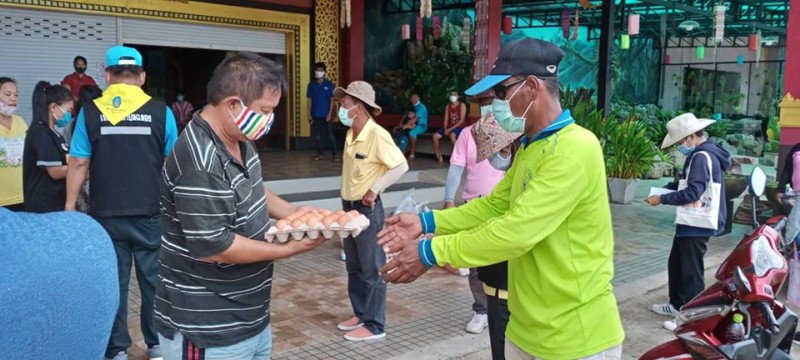
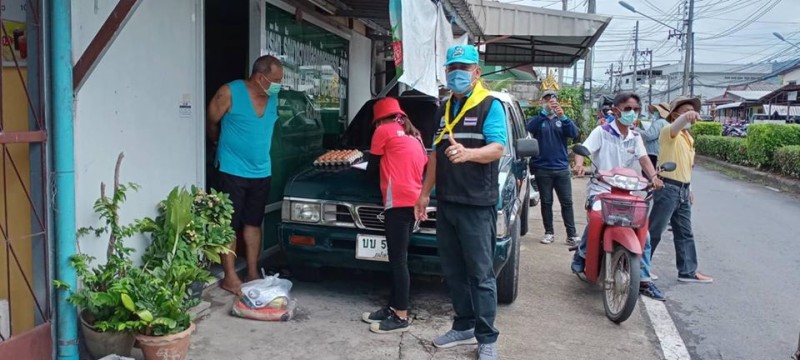
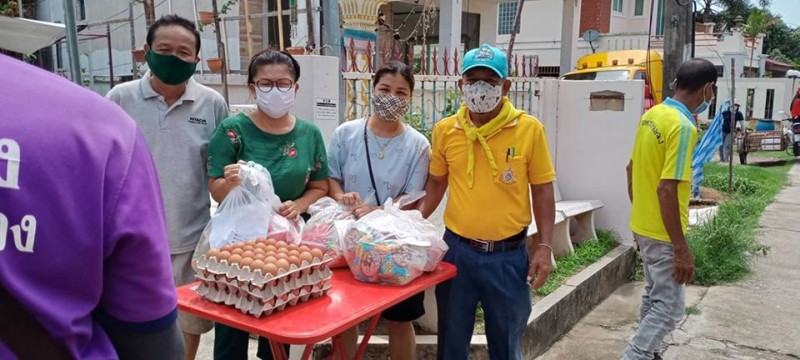
“More importantly, if people have work, they will be stronger [and less dependent on others] during the problems at this time. It would be better than relying on donations and ‘survival bags’ for food,” he said plainly.
Mr Thanusak also called for the government to look to the future and cautiously work towards re-opening the island to tourism.
“We need to accelerate efforts to promote tourism, first by making sure that we deal with the problem of COVID-19 appropriately. This will build confidence among Thai tourists while making sure that Phuket people are not infected [by visitors] and people coming here do not become patients,” he added.
“Further, we must be prepared for the arrival of foreign tourists, and foreign investors looking to invest in Phuket, which may occur after June,” he said.
“If Phuket builds confidence and security, including by the sharing of information by both the government sector and the private sector, it is expected that Phuket will have income from Thai people during this period, and foreign tourists in the region will gradually return, which will help see a recovery of income of at least 20-30% this year – that is feasible,” he said.
While speaking at Phuket Provincial Hall, Mr Thanusak also took the opportunity to highlight how the COVID-19 situation had shown that Phuket needed to become a special economic zone.
“These circumstances demand a special response, and most of the private sector agrees that Phuket should become a special economic zone,” he said.
The move would allow Phuket to broaden its income base, and not rely solely on tourism, Mr Thanusak said.
“Phuket should not have income from only tourism. Phuket has the opportunity to make money from various locations, or as a ‘stopover’ or a place where world-class private workers like Singapore, Hong Kong can join,” he said.
“Phuket must have a plan for development, and must consider in which direction Phuket will go. When Phuket has everything ready and can compete, our region in the upper Andaman Sea will be stronger,” Mr Thanusak said.
“But we must start discussions to proactively find solutions. Right now, the problem is about people going hungry, but after that there must be a concept that moves Phuket in a different direction for the better.
“Then Phuket can enter a phase of sustainable development and grow to be a world-class city and continue to generate income for Thailand,” Mr Thanusak concluded.