


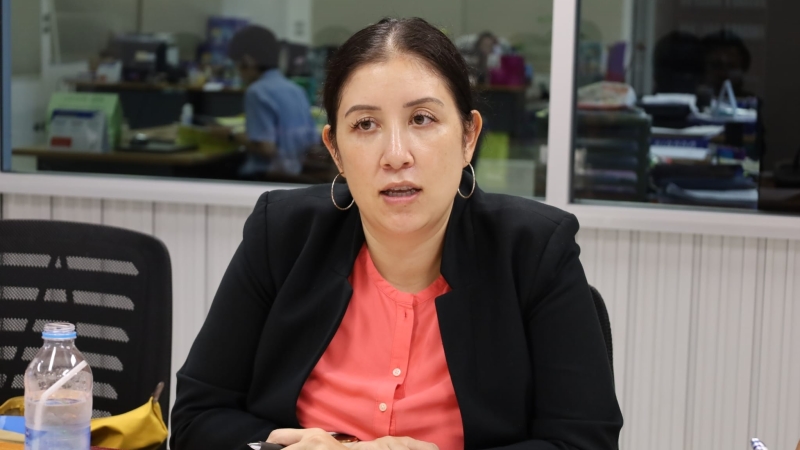
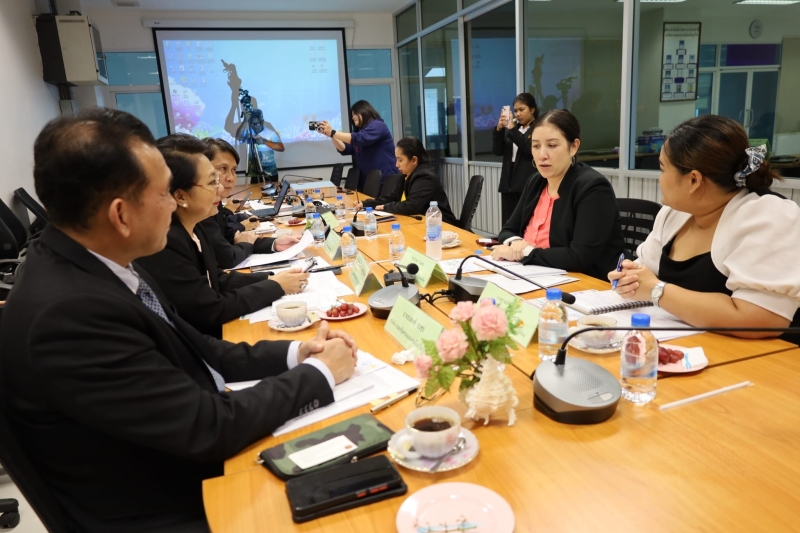
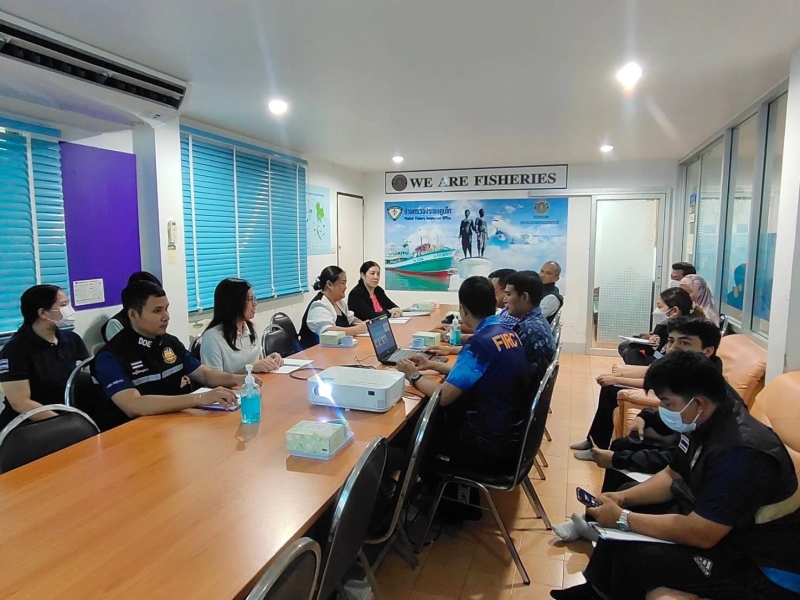
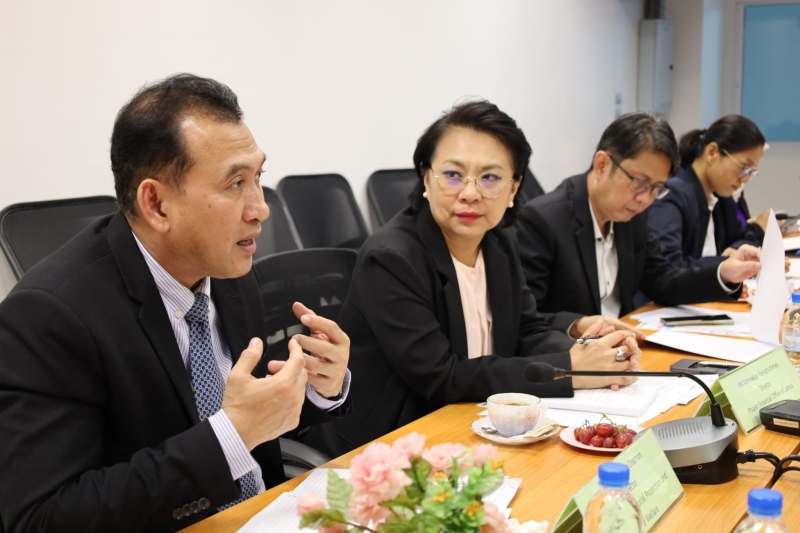
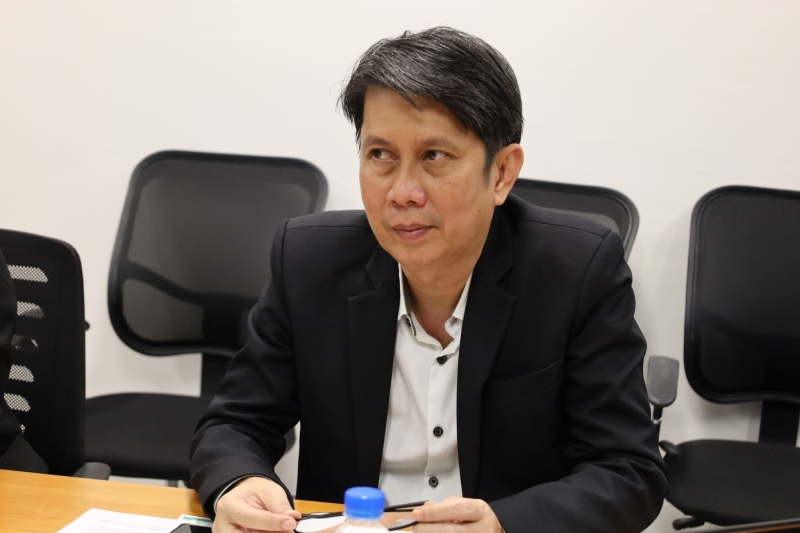
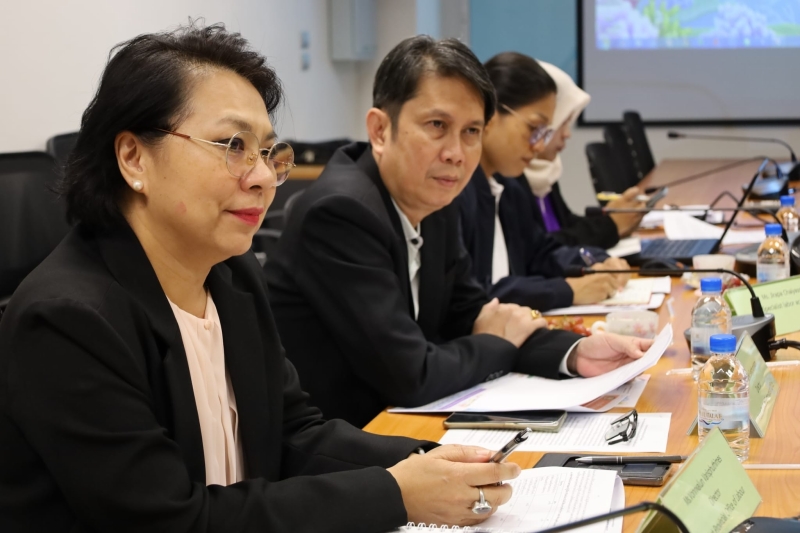
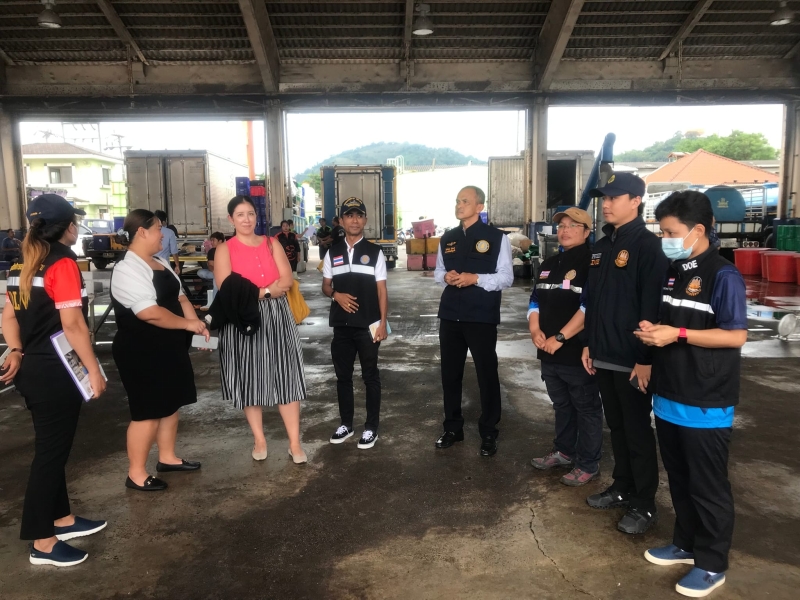
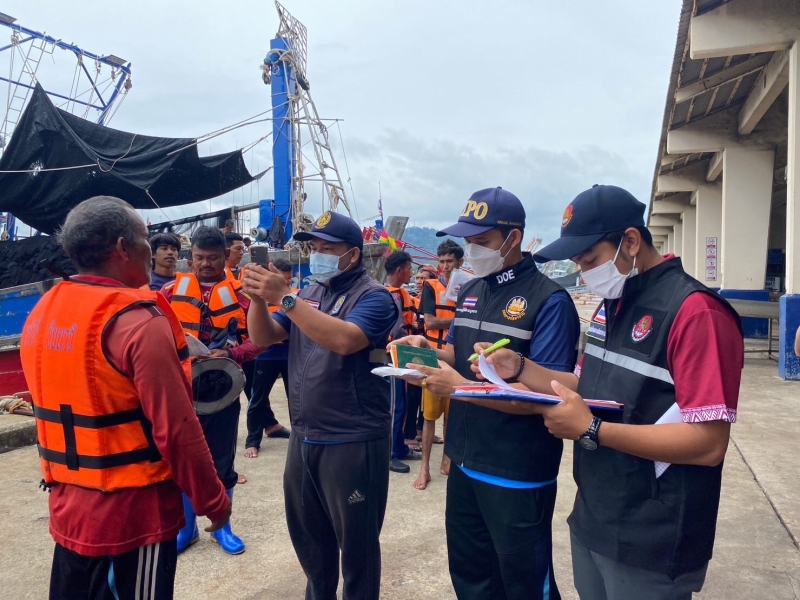
Ms Vuong joined a meeting at the Phuket Provincial Fisheries Office to be briefed on the migrant workers specifically working in Phuket’s commercial fishing fleet.
Leading the briefing was Phuket Fisheries Chief Sittiphon Muangsong, joined by Saengsakda Kalanuson, chief of the Phuket Fisheries Checkpoint, better known as the ‘Port In - Port Out’ checkpoint, or more simply the ‘Phuket PIPO Center’.
Cherdsak Chukong, Head of the Labour Affairs Group in the Fishery Sector, and other officials also joined the briefing.
Fisheries Chief Sittiphon and Mr Saengsakda Kalanusan both described to Ms Vuong the procedures and protocols followed to ensure that requirements are met by fisheries operators, said an official report of the meeting.
Fishery workers are screened in accordance with the “national referral mechanism”, the report added.
The “National Referral Mechanism” (NRM) is a legal mechanism enacted to ensure that all relevant officials are involved in dealing with the problem of human trafficking.
Pariyat Khaepheng, Chief of the Phuket office of the Ministry of Social Development and Human Security (MSDHS Phuket), earlier this year explained, “Sharing referral information protects persons who are reasonably believed to be victims of human trafficking and victims of forced labour or services, and to help these people access early support services.
“The NRM works as a referral mechanism at the national level in order to ensure that the process [of responding to the needs of human trafficking victims] complies with international standards,” she added.
The NRM was approved by the National Anti-Trafficking Commission (NRM) on Mar 23, 2022, and the National Referral Mechanism Sub-Committee approved the NRM mechanism on Sept 8. 2022.
The NRM sets out established procedures and guidelines to raise the performance standards of officials working in the prevention and suppression of human trafficking to lead to solving the problem of human trafficking or forced labour or services.
The NRM was brought into effect in Phuket by the Phuket Sub-Committee of the Anti-Human Trafficking Operations Center, through the Phuket branch of the Integrated Center for the Identification of Victims of Trafficking, on Mar 13 this year.
Meanwhile, Ms Vuong yesterday was also briefed on the process for checking notifications of entry and exit of all vessels into and out of Phuket, and briefed the results of past operations.
Of note, it has been years since Phuket officials reported any migrant workers found in situations that did not comply with the legal requirements.
As part of her visit, Ms Vuong yesterday joined officials as an observer during an inspection of fishing boats at the Phuket Fishing Pier in Ratsada as carried out by the ‘Phuket PIPO Center’.
Of note, during anti-human-trafficking Asean regional talks held in Phuket late last month, which were attended by Australian Ambassador Angela Macdonald, Royal Thai Police Deputy Chief Pol Gen Surachate Hakparn made it clear that the goal was “having Thailand ranked to Tier 1 in the regular report on the situation of human trafficking”, referring to the US Department of State’s annual ‘Trafficking in Persons Report’.
In the latest ‘Trafficking in Persons Report’, released in June, Thailand remains ranked in Tier 2, meaning “not fully compliant, but making ‘significant efforts’ to be compliant with the minimum standards.