






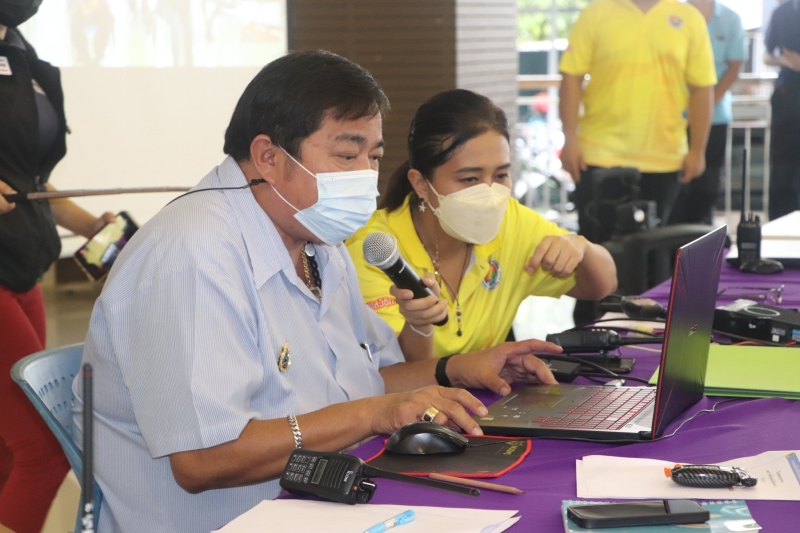
The tsunami-warning alerts were not sounded at all 19 tsunami-warning towers on the island, Udomporn Kan, Chief of the Phuket Provincial office of the Department of Disaster Prevention and Mitigation (DDPM-Phuket), confirmed this afternoon.
Officials were concerned of the effect doing so may have had on unsuspecting people, Mr Udomporn said.
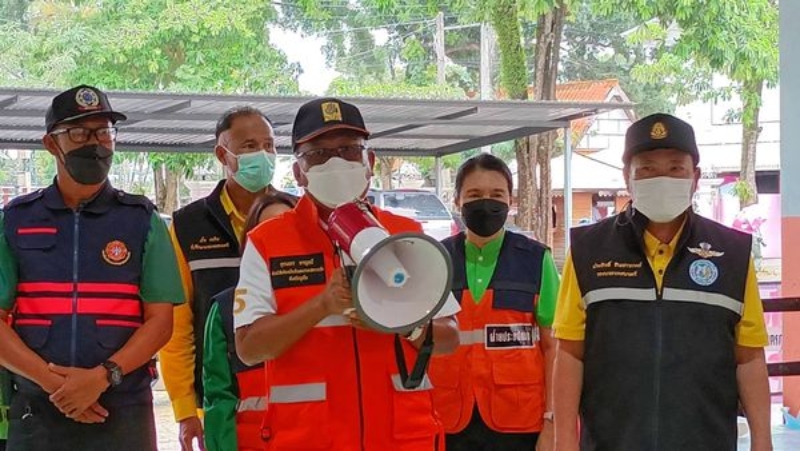
Instead, the sounding of the warnings was simulated through sound trucks.
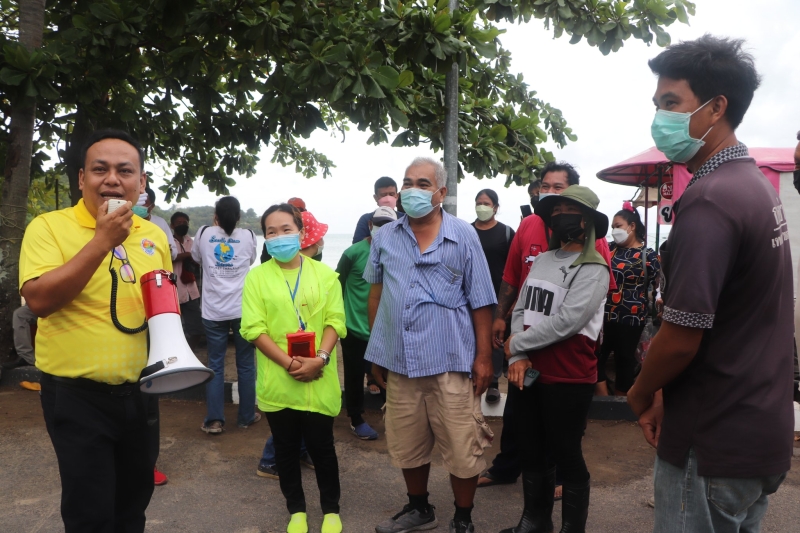
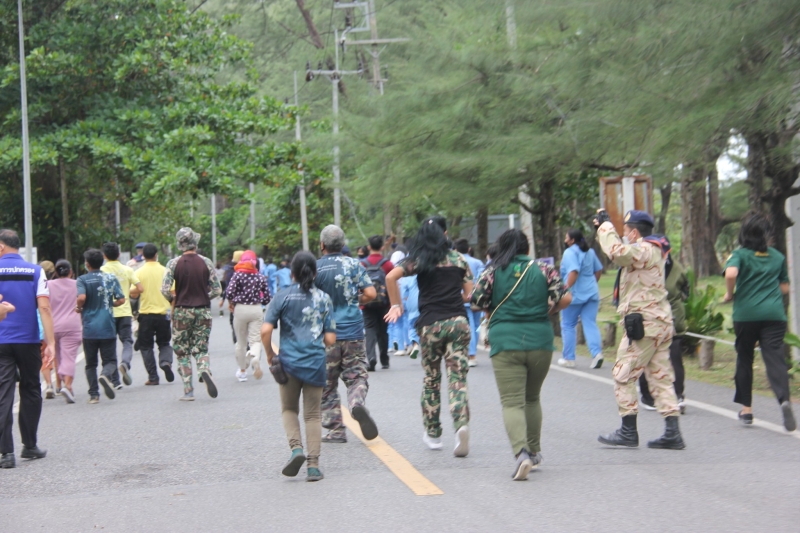
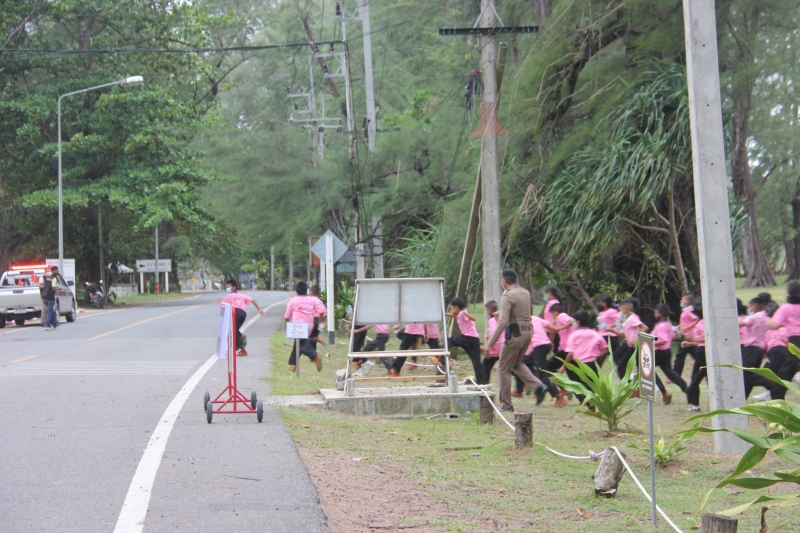
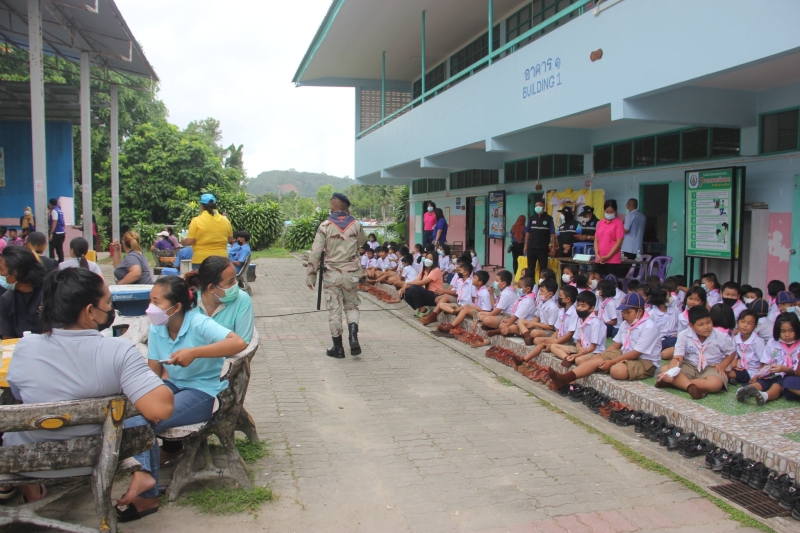
Evacuation drills were held at Saphan Hin, Karon, Nai Yang and Ao Yon. Notably, no evacuation drills were held in the major tourist areas of Patong, Kamala, Cherng Talay and Nai Harn ‒ all areas heavily affected by the tsunami in 2004.
Mr Udomporn joined the evacuation drill at Saphan Hin, where he said many tourists come to relax each day.
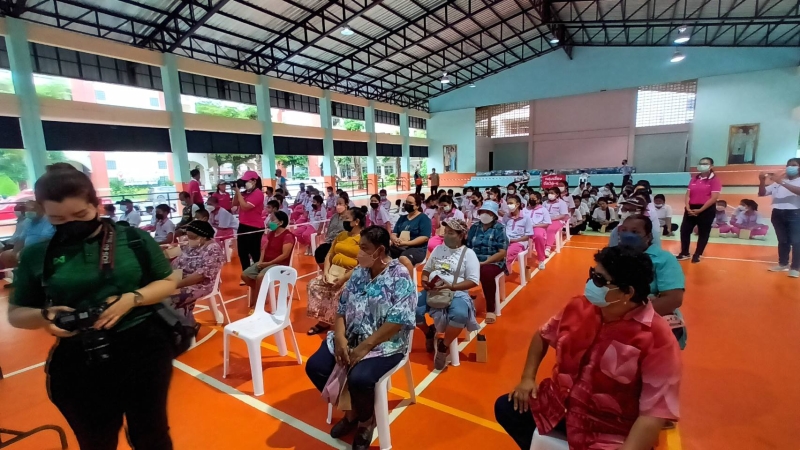
Efforts at the Saphan Hin drill were relaxed, with people taking part allowed to leave the area following a designated evacuation route. Students taking part were assembled at one of the main gymnasium buildings in the area.
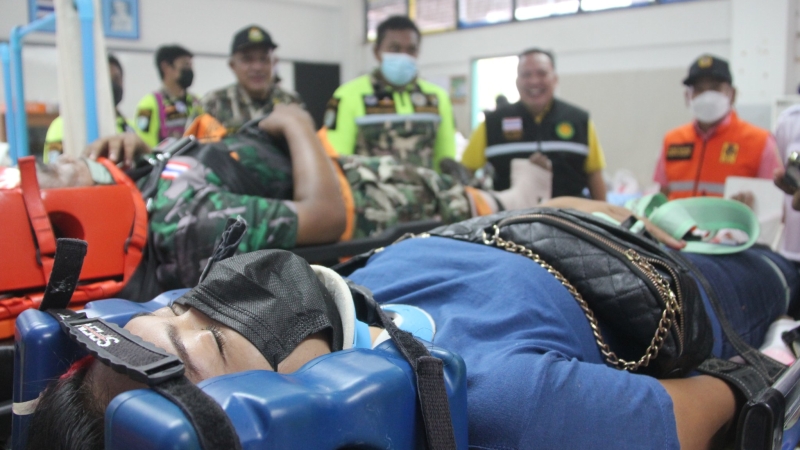
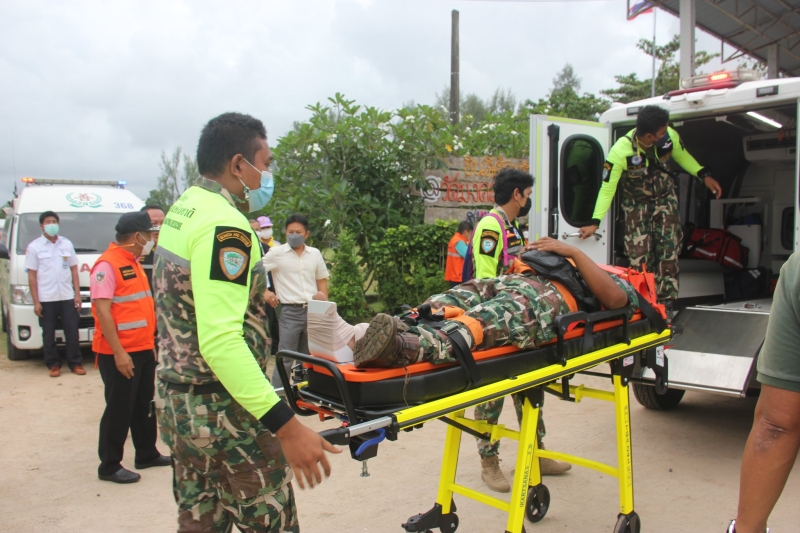
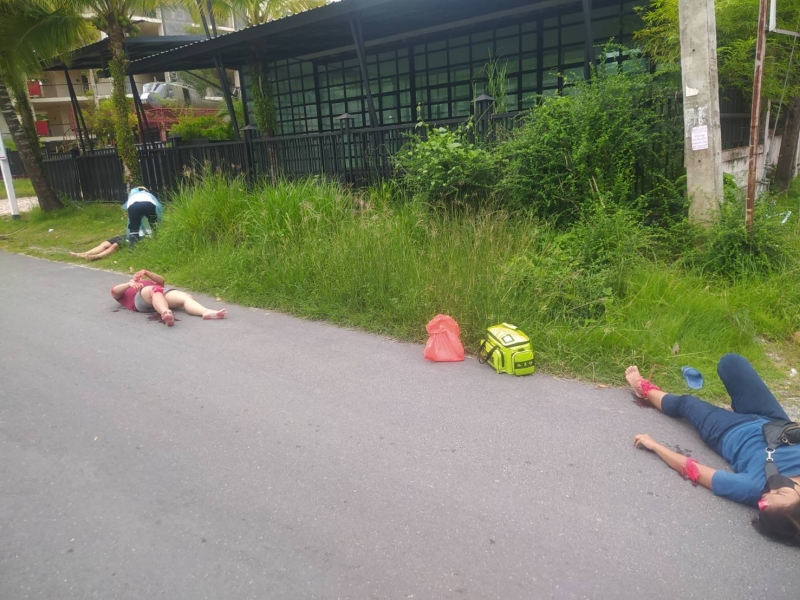
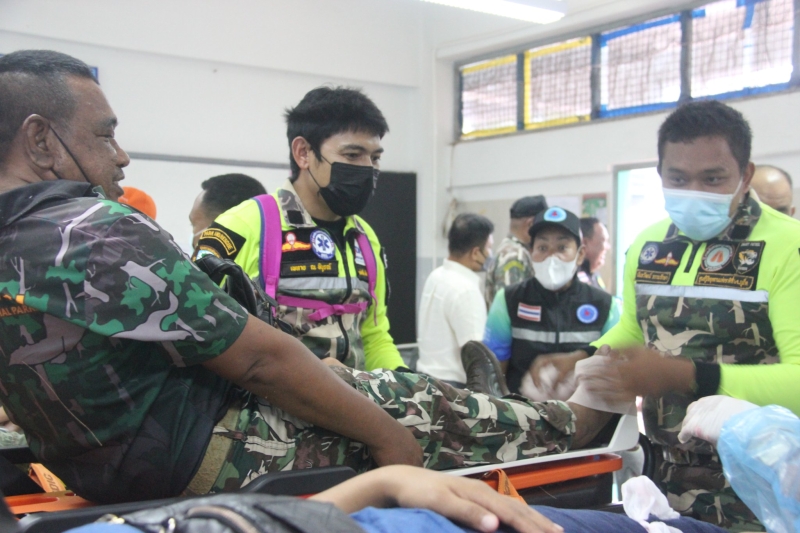
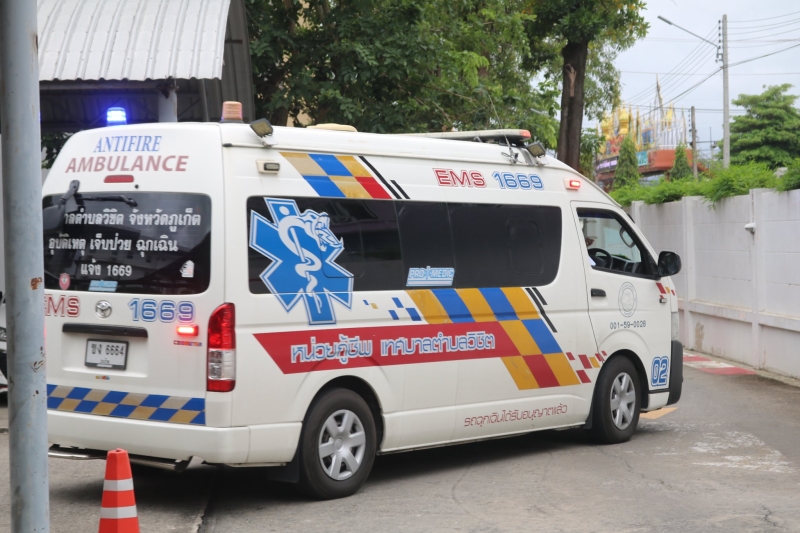
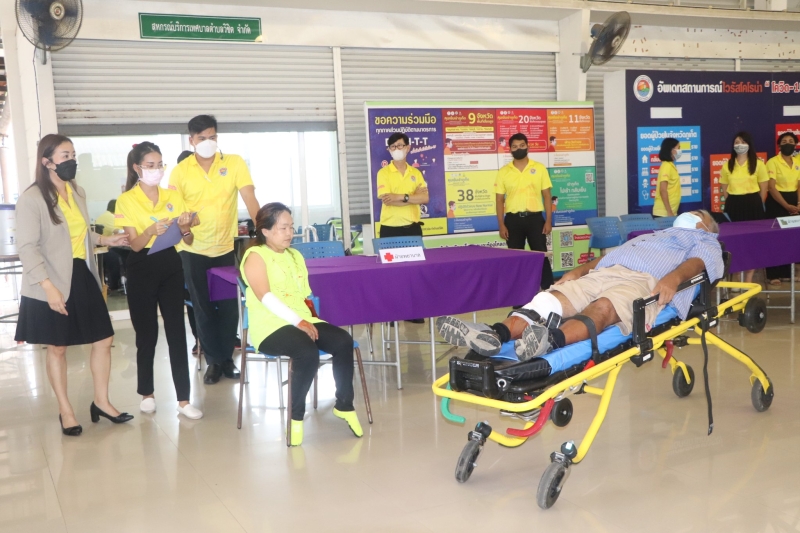
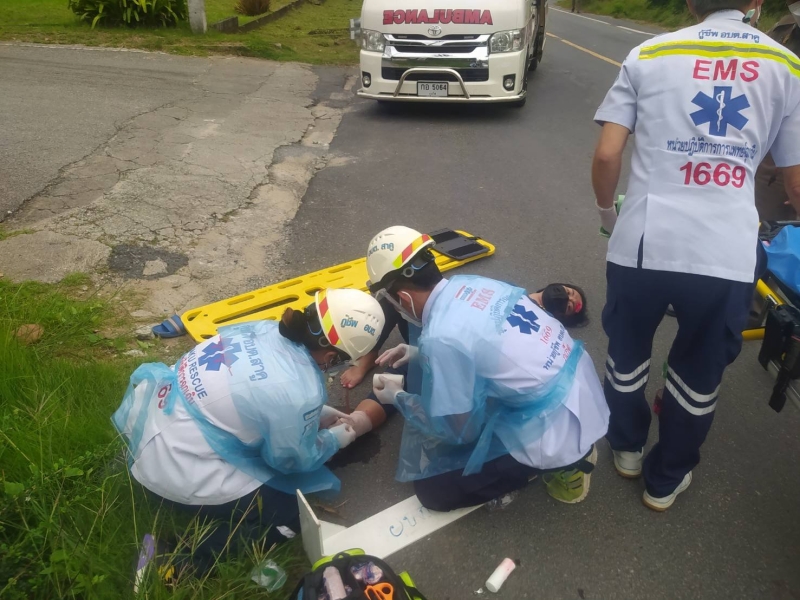
The exercises held at Nai Yang Beach, Ao Yon Beach and in Karon were treated more seriously, with emergency medical teams on hand to treat “victims”, that is people who had volunteered to play the part of being injured in the simulated disaster.
Mr Udomporn noted that the primary purpose of the evacuation drills today was to raise awareness of what to do in case of such an emergency, for both members of the public, local officials and emergency response teams.
He also pointed out that the evacuation drills were organised in response to the series of underwater earthquakes off the Nicobar Islands earlier this month, which he noted registered on average 4 to 5 Magnitude in strength. “Not enough to cause an actual tsunami,” Mr Udomporn said.
Mr Udomporn also played down the importance of sounding the actual tsunami warnings through the tsunami-warning towers.
“They are tested at 8am every day anyway,” he said.
“But we must remain vigilant and ready to deal with real situations that may arise,” Mr Udomporn cautioned.