


ATTA Vice President Chotechuang Soorangura said the goal to raise more revenue was understandable, but the principle behind the scheme was unacceptable, reports the Bangkok Post.
He said it remains unclear how much of the budget will be allocated to each type of stimulus, undermining transparency in how the fund will be managed.
Tourism businesses remain fragile amid the Middle East war, grappling with pressures from the rising cost of living.
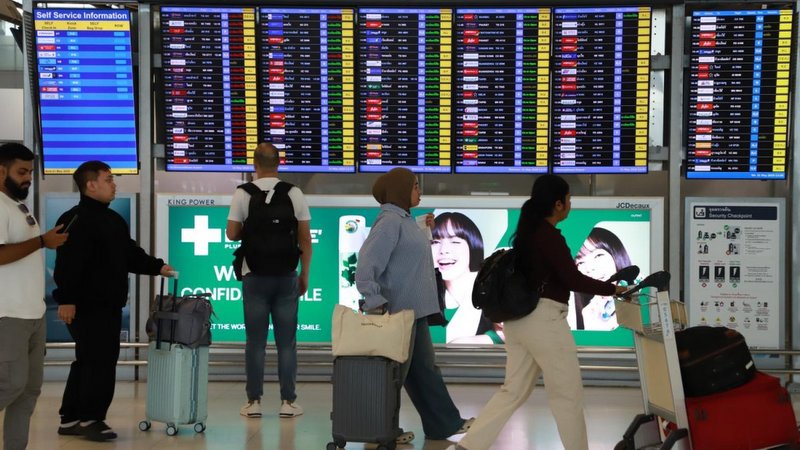
Other public authorities are preparing to collect additional fees from travellers, such as airport passenger service charges, which are additional costs that weigh on travellers’ sentiment.
"If imposed, this levy will clearly affect outbound travel, which could in turn hurt inbound arrivals as air traffic relies on two-way demand to survive and sustain capacity," said Mr Chotechuang.
Earlier this week, Tourism and Sports Minister Surasak Phancharoenworakul said the Finance Ministry previously planned to levy a B1,000 departure tax on Thai travellers by reviving the 1983 Emergency Decree on the Departure Levy, which has been suspended for more than two decades.
Mr Surasak said with outbound travel estimated at 10 million passengers a year, the tax could generate around B10 billion in revenue, which could be distributed for domestic tourism stimulus instead of solely relying on the government budget.
The ministry intends for the scheme to be separate from the B300 tourism tax, which applies only to foreign arrivals.
Mr Chotechuang said it was unclear how the tax would be collected, as it would apply only to Thai travellers, not foreigners, unlike Japan’s departure tax, which applies to all departing passengers.
During Phiphat Ratchakitprakarn’s tenure as tourism and sports minister, there were problems with levying a B300 fee from foreign visitors via airlines.
Aviation bodies viewed the scheme as impractical given airlines’ operating systems, and could be regarded as discriminatory under International Civil Aviation Organization rules.
Kriangphon Piyaekchai, another vice-president of ATTA, said if the government wants to raise tourism-related tax revenue, there are many alternative measures that would not hamper outbound travel or restrict people’s ability to travel. One option is regulating unlicensed operators, such as illegal accommodation, and bringing them into the formal system to widen the tax base.
The government could also continue tourism incentives that require limited funding, such as tax deductions for domestic travel, noted the association.