


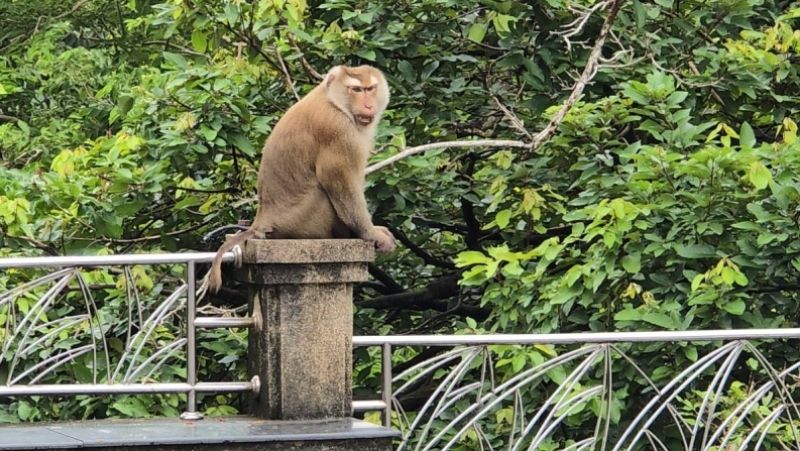
Mr Modell said at least 10 visitors were treated for monkey bites over the recent Christmas and New Year holiday period. He noted the incidents highlight ongoing risky behaviour by tourists despite repeated warnings about the dangers posed by wild macaques.
Mr Modell said he had heard from friends of around 10 cases involving tourists bitten by monkeys during the New Year period, with most incidents reported at Monkey Beach on Phi Phi Island and two to three cases in Pattaya.
“Fortunately there were no serious physical injuries, but the real concern is infection and the risk of rabies,” Mr Modell said.
He explained that even small bites can carry significant health risks, as monkeys can harbour dangerous bacteria and viruses in their mouths.
“The treatment is not simple,” Mr Modell said. “People often think it’s just a scratch, but they need painful injections directly into the bite wounds to prevent bacterial infection and possible rabies exposure.”
According to Mr Modell, all of the victims were foreign tourists, including British, German and Israeli visitors. Most were aged between 25 and 40, with many in their mid-30s.
He attributed the incidents to tourists ignoring safety advice, particularly while trying to take photographs, selfies or feed the monkeys.
“These are wild animals. They don’t want to be interacted with,” Mr Modell said. “People are warned, but they still approach the monkeys because they want a photo. That’s when bites happen.”
Monkey Beach on Phi Phi Island has long been a popular attraction for visitors travelling from Phuket, but it is also home to free-roaming macaques that are accustomed to human presence.
Mr Modell stressed that familiarity does not mean safety, and warned tourists travelling from Phuket to Phi Phi to exercise extreme caution.
“Just because monkeys are used to people doesn’t mean they’re tame,” he said. “They can become aggressive very quickly, especially if they feel threatened or are expecting food.”
Phuket officials have issued similar warnings for years, particularly regarding the monkey population at Toh Sae Hill in Phuket Town, where signs are posted advising visitors not to feed or approach the animals.
Authorities have repeatedly warned that feeding monkeys increases aggressive behaviour and raises the risk of bites and scratches.
Health officials advise that anyone bitten by a monkey should immediately clean the wound thoroughly with soap and clean water, cover it if possible, and seek medical treatment without delay.
Rabies remains a fatal disease if left untreated, and post-exposure treatment must be administered promptly to be effective.
Mr Modell urged tourists to take warnings seriously and to prioritise safety over social media photos.
“No photo is worth a trip to the hospital,” he said. “If people keep their distance and respect that these are wild animals, these incidents can be avoided.”