




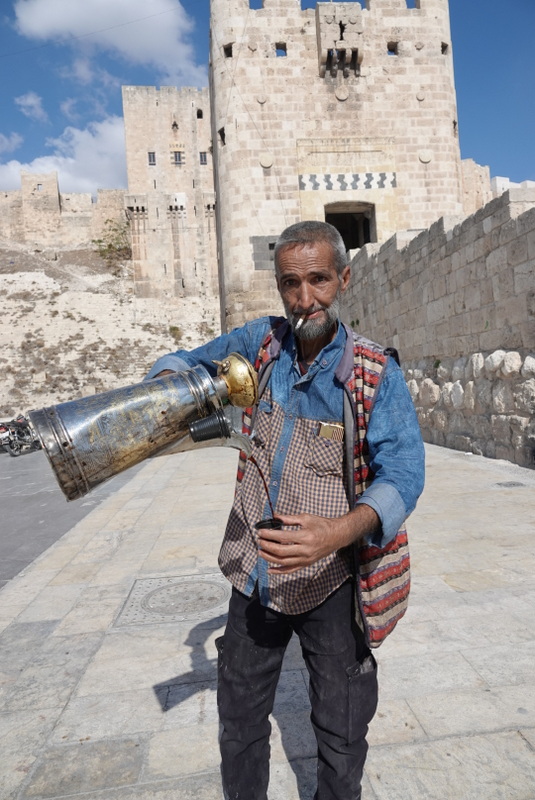
According to the official travel advisories, Iraq, Lebanon and Syria are a cocktail of instability, militia checkpoints, and “unpredictable security situations.” What I found were three countries full of warmth, history, heartbreak and perseverance – places where life carries on with remarkable force and where the reality on the ground is far more nuanced than any travel advisory.
Iraq: From Basra to Babylon
My Iraqi adventure began with a ground border crossing from Kuwait. The drive north was startlingly uneventful – flat desert, the occasional camel, and then, quite suddenly, a series of checkpoints and an expansive no-man’s land.
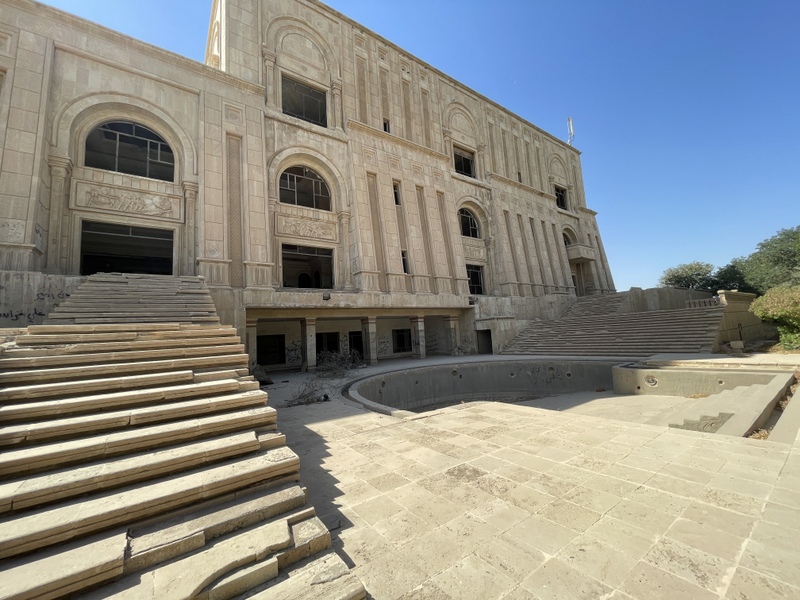
My introduction to Iraq began in Basra. Its world-class archaeological museum was a surprise – beautifully curated, impeccably presented in a former palace of Saddam Hussein, and a potent reminder that Iraq isn’t just the cradle of civilization; it’s the entire maternity ward. I was the museum’s sole guest at the time of my visit.
I ventured into the marshes of southern Iraq. Once deliberately drained and starved of water, the marshes today are a testament to Iraqi resilience. The wetlands have returned with quiet defiance: reeds rising where cracked earth once lay, water buffalo wading through silver channels and the Maʻdān people navigating their world in slender canoes as they have for millennia. It feels both ancient and newly reborn.
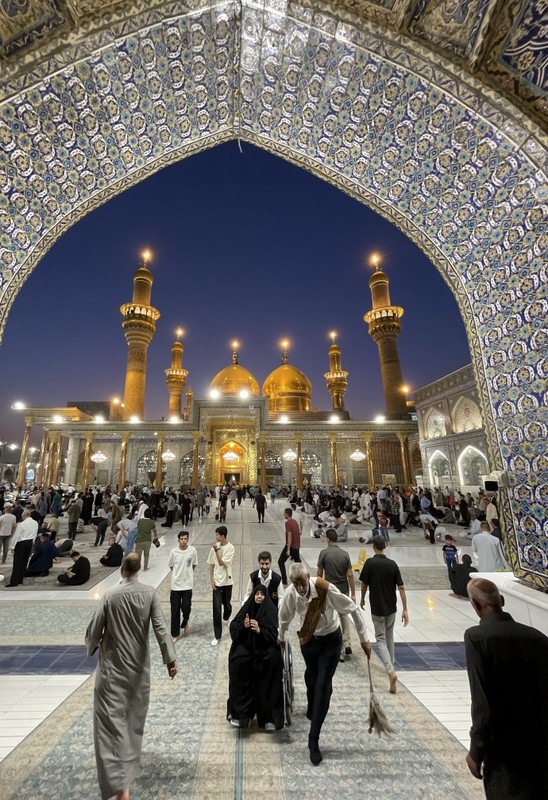
From there, I traveled north to Karbala, home to two of the most important pilgrimage sites in Islam. Even as an outsider, the experience was deeply moving: waves of pilgrims in black, soft murmurs of prayer, golden domes glowing like torches at dusk. Regardless of one’s beliefs, it’s impossible not to feel the enormity of devotion here.
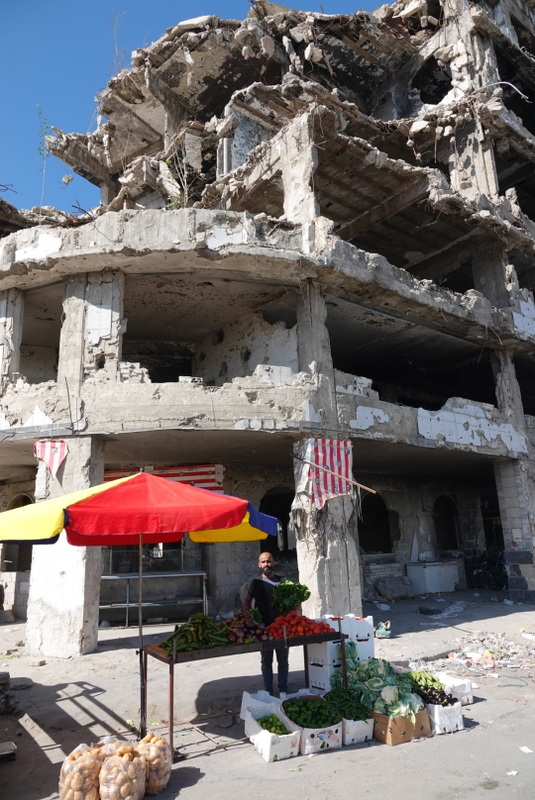
The journey continued into Mosul, where the devastation left by ISIS is impossible to soften. Entire neighbourhoods sit in blasted silence, buildings hollowed like ribcages. Yet amid the wreckage, people rebuild – brick by brick, shop by shop. It’s humbling in a way that lingers.
Further north, the Kurdish region felt almost like a different country: cleaner, greener, more orderly, with an energy distinct from the Arab south. If Iraq were a novel, Kurdistan would be the unexpected twist in the final chapter.
But the coup de grâce – the surreal moment – was standing inside one of Saddam Hussein’s palaces in Babylon. There, on the dais where the dictator once received visitors and issued edicts, I stood quietly, marveling at the absurdity of the place. History rarely lets you climb onto the stage quite so literally.
Lebanon: Beirut’s Buzz and Baalbek’s Grandeur
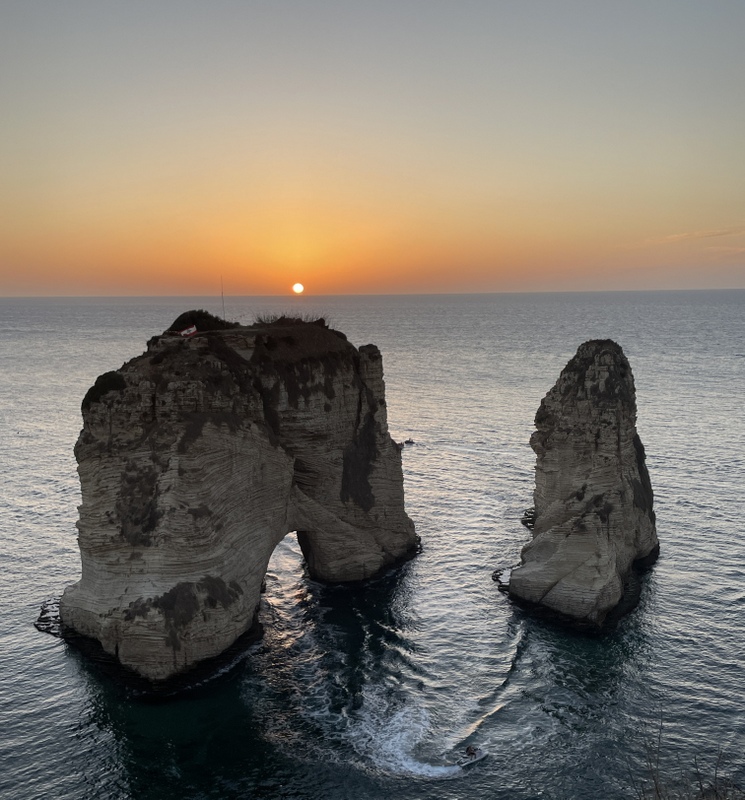
Arriving in Lebanon from Iraq felt like stepping into technicolor. Beirut has an energy that borders on defiant – half Mediterranean cool, half Middle Eastern swagger. Power outages might be scheduled like the evening news, but nightlife ignores them entirely.
And then there was Baalbek, home to some of the most impressive Roman ruins anywhere in the world. Standing beneath the towering columns of the Temple of Jupiter, it’s impossible not to feel very small and very lucky – small because these structures dwarf everything around them and lucky because you’re witnessing a wonder without any crowds.
But Lebanon, too, bears its scars. The civil war may have ended decades ago, but the bullet holes remain, etched into the architecture like punctuation marks in the city’s ongoing story.
Syria: Damascus, Aleppo, and the Echo of Ruins
Driving into Syria from Beirut, I expected tension. Instead, Old Damascus welcomed me with its timeless serenity. The famed Umayyad Mosque, a fascinating mash-up of religious heritage – Islamic, Christian, and even Roman – remains one of the most extraordinary spiritual spaces on Earth. Every stone seems to whisper several thousand years of stories. I visited four times.
But travel in Syria is a tour through layers of loss. Homs, once a vibrant city, is scarred by the war – entire districts reduced to concrete skeletons. Aleppo, similarly wounded, still carries the haunting silence of what was once the beating cultural heart of the Levant. And yet, life persists: children dart through alleyways, bakeries sell fragrant flatbread and merchants offer goods with a smile fierce enough to convince you everything will be fine eventually.
Why Go?
Because behind the headlines and warnings are people living full, complicated, generous lives. Because history doesn’t pause for politics. Because sometimes the places we fear most have the greatest capacity to change us.
Visiting Iraq, Lebanon and Syria wasn’t always easy. At times it was sobering – and unsettling at frequent military and militia checkpoints throughout Iraq and Syria. But the people were warmly welcoming; deeply, unexpectedly so.
Government advisories say DO NOT TRAVEL. But if you travel thoughtfully, carefully and with open eyes, you may find – as I did – that these so-called no-go zones are full of humanity, resilience, and unforgettable stories.
And honestly, the kebabs alone might justify the risk.
Adventurer Todd Miller has explored more than 120 countries. He authored the best-seller ENRICH: Create Wealth in Time, Money, and Meaning. www.ToddMiller.asia.