

Ahvaz, Iran
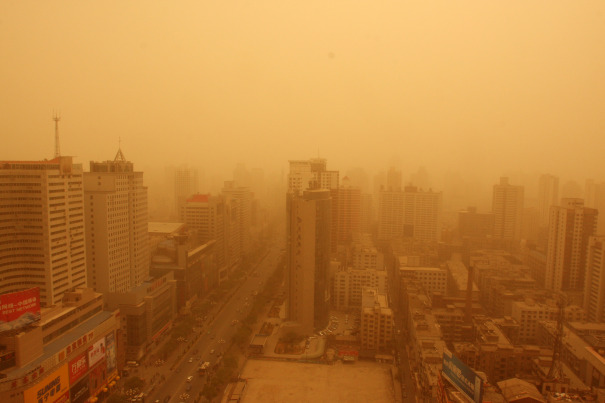
According to the World Health Organisation, the Iranian city of Ahvaz – home to 1.2 million people – is the most polluted city in the world in terms of air quality. In fact, according to scientists, the air quality in Ahvaz is nearly three times worse than that of Beijing. Dust storms only compound the problem and mixes with the exhaust fumes that already exists in the toxic air, creating the highest count of small airborne particles anywhere in the world. Things were at its worst in 2009 when the WHO discovered that there were 19 times more airborne particles than the acceptable level of pollution in an urban area, all of which can cause asthma, heart disease and lung cancer.
Linfen, China
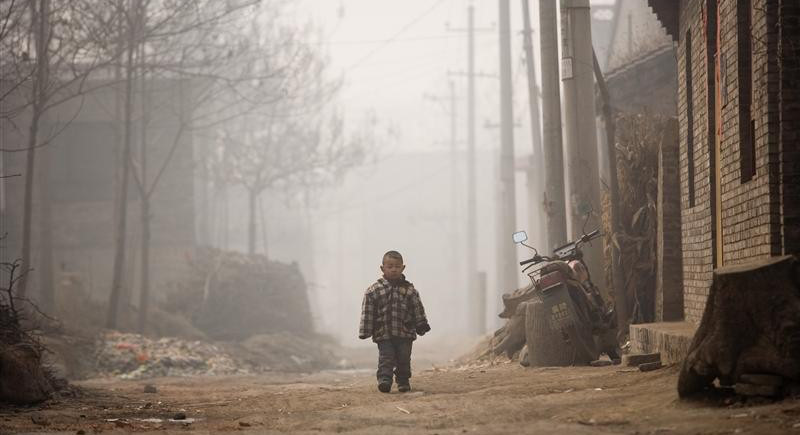
A very close second is Linfen, a city in Shanxi province of southern China and home to 3 million people. The city is surrounded by hills upon which there are many coal mines – both legal and illegal – and the smell of burning coal wafts through the air. It is said that the pollution is so great that those who hang their laundry outside will find their clothes black before they dry. According to various news reports, the mix of coal burning power plants and farmers that dump pesticides on crops have greatly affected the water and air quality of the city.
Vapi, India
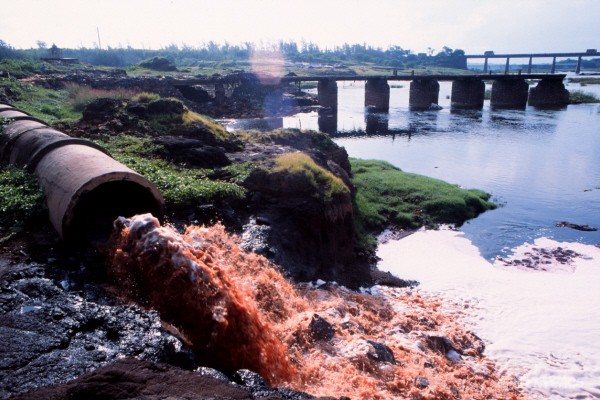
The groundwater of this city in southern India has the highest levels of mercury in its groundwater of anywhere in the world, a whopping 96 times above safety levels, according to the WHO. It doesn’t help that it’s home to a large portion of the country’s industrial sites, including chemical plants, pharmaceutical companies, and rubbers workshops. In addition, Vapi also has high levels of heavy metals in it’s air and local produce.