


"Thailand, Malaysia and Singapore are the three Southeast Asian countries joining the ranks," said Khongsak Kortrakul, senior technology service manager of Trend Micro (Thailand).
The government's policy to transform Thailand into a digital economy seems to have attracted a swarm of international hackers, he added.
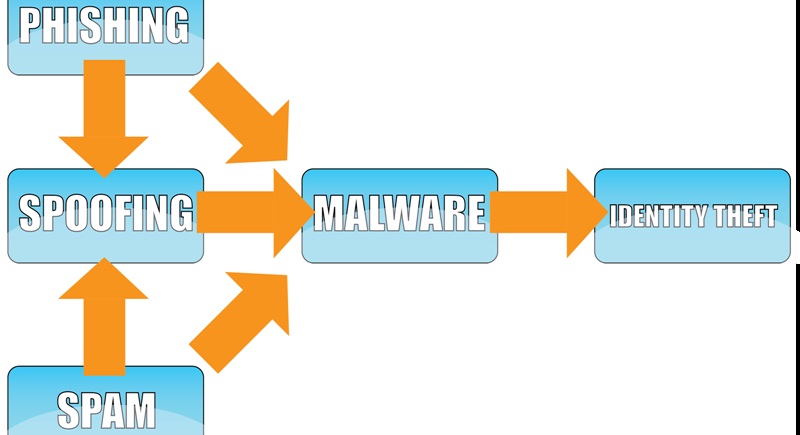
In Thailand, Android-based devices will become a more serious target for mobile malware in line with an increase in fake mobile apps and phishing to steal identify.
Mr Khongsak said online and mobile banking will remain the main target in 2015 as consumers still lack awareness to take security measures such as two-factor authentication solutions to prevent identity theft.
In 2015, he said eight global security trends will be highlighted on mobile malware and more sophisticated cybercrimes.
William Tan, country manager for Thailand, the Philippines and Vietnam at Trend Micro, said data breaches at major retailers globally are projected to cost US$1 billion this year.
"We found that new security threats are created every second, with 80% originating from the Middle East and Eastern Europe," he said.
More than 90% of organisations have active malware, yet more than half are not aware of these intrusions.
Trend Micro expects bright prospects in Thailand this year, helped by the government's infrastructure megaprojects and digital economy policy, said Mr Tan.
However, financial institutions, telecoms and manufacturing will remain the top three spenders on enterprise security.
Trend Micro is focusing on providing products and services to cover the greater variety of users' devices including cloud-based data centres.
The Thai unit saw 22% growth in revenue to $5.8 million last year, accounting for 20% of the group's Asean revenue. But the company missed its 30% revenue growth target due to the political turmoil.
The countries most affected by cybercrime include Britain, Germany, Australia, Japan, France, China and South Korea.
Read original story here.