


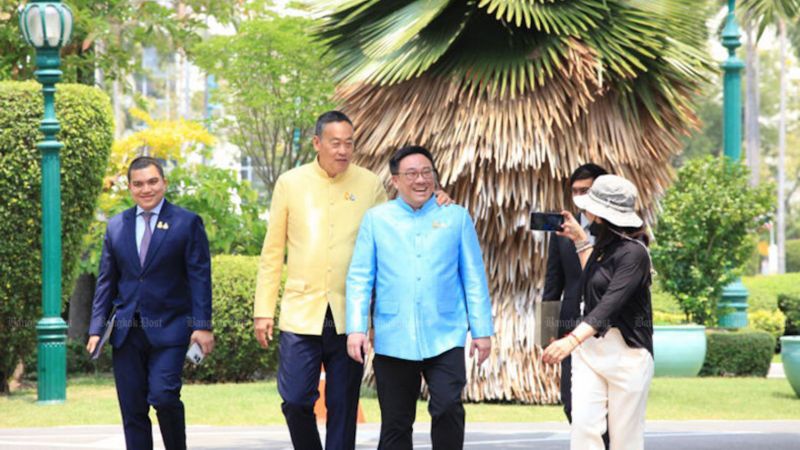
Mr Julapun chairs the House committee tasked with studying the potential of an integrated entertainment complex as part of a push to legalise casino gambling in the country, reports Bangkok Post.
The House of Representatives on Thursday (Mar 28) voted to approve the study’s findings. If the cabinet approves the findings, it would instruct a specific government agency to be responsible for the project, Mr Julapun said on Friday (Mar 29). The subsequent draft legislation would need to be submitted for vetting by parliament.
He said the scope of legislation related to entertainment complexes would permit gambling activities only within designated areas (on site). Online gambling would not be allowed because the government is not able to control it, particularly in terms of preventing the involvement of minors.
Mr Julapun said the developments studied by the committee were comprehensive entertainment complexes, not just casinos. He used the Marina Bay Sands integrated resort and entertainment complex in Singapore as an example.
He said the committee found that it had helped reduce illegal gambling significantly, while bringing the Singapore government the equivalent of B300 billion over the past 10 years. The figure does not include revenue from tourism and income earned by individuals.
Only 2.5% of the area within the Marina Bay complex is designated for gambling activities, with the remainder allocated to other activities, he stressed.
Comparing Thailand with Singapore, Mr Julapun said Thailand has various significant advantages such as tourist destinations, infrastructure and a higher number of foreign tourists. Therefore, Thailand could potentially generate more revenue from entertainment complexes than neighbouring countries. Additionally, many Thais have travelled to gamble in neighbouring countries.
According to Mr Julapun, the entertainment complexes do not necessarily have to be situated in remote areas. Rather, they should be areas that possess convenient transport infrastructure such as electric or high-speed trains, along with tourist destinations.
Once an area has been designated as suitable for an integrated entertainment complex, there may be a need for continuous project development, depending on the suitability of each area. For example, some areas might include theme parks, while others may have buildings to accommodate Mice (meetings, incentives, conferences and exhibitions) events or indoor stadiums, he said.
To mitigate the impact of gambling, there would be regulations prohibiting Thais below a certain income threshold from entering the premises. This may require the imposition of entry fees. Additionally, minors would be prohibited, and if an adult caused a negative impact on his or her family due to gambling, family members would be able to lodge a complaint to prevent them from entering the premises.
Regarding the revenue the state would receive in addition to corporate taxes and gambling taxes, Mr Julapun said a portion of the proceeds would be allocated to a designated fund to be used for specified purposes such as drug addiction treatment and education, which would resemble the Singapore model.
The Singapore fund has been able to accumulate B4bn to B5bn per year, with a similar amount likely to materialise in Thailand, he said.