


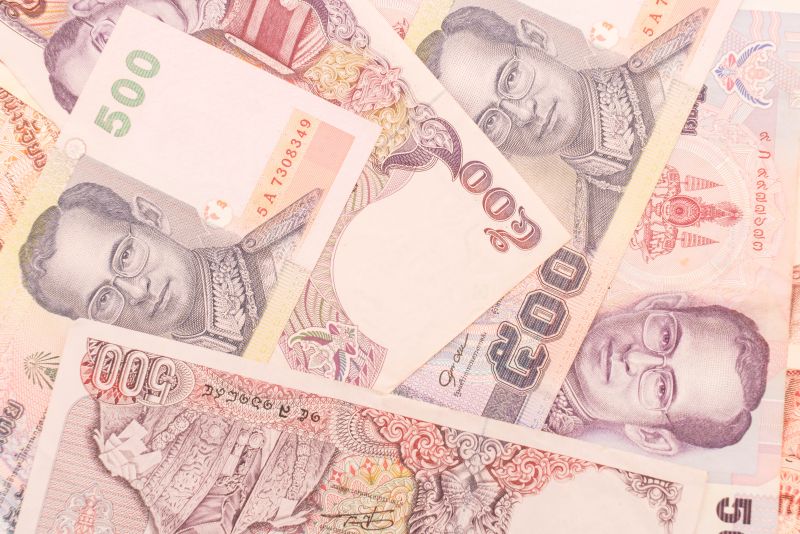
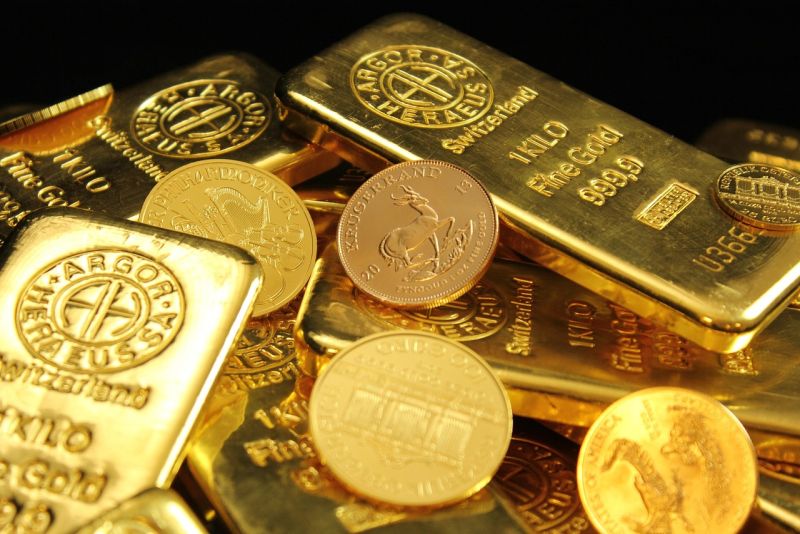

One of the surprises in Southeast Asia in 2025 is the Thai baht, which has outperformed the US dollar over the last 12 months. The baht has seen a substantial growth momentum, pushing past previous highs to hit a new four-year high price on 15 December. Several reasons, including the bullish gold prices and capital inflows, are responsible for this. Thai investors, in response, are showing more confidence in the economy.
Thailand’s Economic Performance in 2025
Economic data from the first half of 2025 came in stronger than expected, with Thailand’s economy growing by 3%. However, the initial economic momentum, which began the year, gave way to a sharp deceleration due to global trade tensions and sluggish domestic demand. This led the International Monetary Fund (IMF) to revise Thailand’s growth prediction downward to 2.1% as economic challenges intensify.
Despite these challenges, several positive indicators emerged, particularly in exports and tourism. Thailand recorded a 7.1% year-on-year export growth in November, up from 5.7% in October. The baht also surged, as data from Tradingview shows that it appreciated by over 7% this year, reaching a new 4-year high of 31.523.
Why the Baht is Growing Stronger
2025 has been a year of highs and lows, yet the baht has sustained its resilience mainly due to these four factors:
● Surging Gold Prices
It has been a fantastic year for gold (XAU), as prices have crossed $4,500 per ounce. Several factors contributed to this, including global trade tensions and the resulting uncertainties. The weakening of the US dollar and the geopolitical tensions with Iran, Venezuela, and Ukraine also fueled demand for gold.
The other factors include the US Federal Reserve rate cut and buying pressure from central banks and inflows of exchange-traded funds (ETFs). As gold prices increased, Thai traders responded accordingly, converting dollar-denominated proceeds into baht.
● Export and Capital Inflows
As gold prices surged, Thai markets saw an increased capital flow into non-real economic activities. The sale of large volumes of USD into baht created an artificial but sustained upward pressure on the baht. Since most gold companies and traders trade in the US markets, the inflow of USD from foreign and domestic traders sustained the bullish baht trend.
Thailand’s export market also accounted for a substantial capital inflow in Q1 2025 as manufacturers rushed to beat tariff deadlines. This front-loading set the pace for Thai exports, but exports also boomed as the 19% tariff on Thai goods favored importers more than the 30% tariff on goods from other countries. Tourism was also a key activity this year, with arrivals forecast between 33 and 37.5 million.
● Current Account Surplus
Unsurprisingly, Thailand recorded a current account surplus for seven months in 2025, with deficits only occurring for three months so far. The National Economic and Social Development Council (NESDC) anticipates a GDP surplus of 2.8% by December 2025. This trend, compared with the foreign currency deposit, shows a correlation that strengthened the baht in 2025. Foreign capital flowed into the bond market, with significant purchases of both short and long-term bonds.
● Weaker U.S. Dollar and Stronger Yen
The US dollar lost approximately 10.8% of its value in the first half of 2025, posing its most significant loss since 1973. The dollar fell against several currencies, including the euro, pound, yen, and baht. Global trade tensions and domestic political uncertainties in the US were responsible for that. The slump further strengthened the baht, increasing the pace of its growth.
A related development is the yen’s rebound in 2025, which has seen it regain some strength. The yen’s rebound reduces the Carry Trade Pressure on the baht and increases the relative competitiveness of Thai exports.
How the Market and the BOT Respond
The Baht’s strength has come with mixed feelings; while officials are glad about the positive trend, they are also concerned about its impact on exports and domestic consumption. The Bank of Thailand (BOT) intervened to mitigate the effects of a stronger Baht, which ironically makes the tourism and export sectors less competitive.
Three key factors are expected to shape Thai markets in 2025: slow GDP growth, inflation, and fiscal policy. Analysts expect the country’s economic growth to slow significantly in 2026, as the artificial surge in baht strength subsides. The anticipation of the BOT’s policies to tighten monetary flow and control the baht will also impact markets.
This will influence inflation, which is expected to return to the target range by 2027. Meanwhile, the rate cut in December and the supply-side-induced slump in consumer prices are other areas where the BOT will be looking to make an impact in 2026. The apex bank will achieve this through targeted fiscal policy changes to enhance support and debt management, striking a balance between stimulus and medium- and long-term consolidation.
Thailand’s Economic Paradox
Thailand has experienced a mixed economic performance this year, with the baht defying economic logic to gain momentum despite weak fundamentals. Thanks to bullish gold prices and increased demand for Thai goods, capital inflows into the Land of Smiles have restored market confidence ahead of 2026. The Bank of Thailand has its work cut out for it to manage the impact of a surging baht, particularly on tourism, exports, and domestic consumption.