


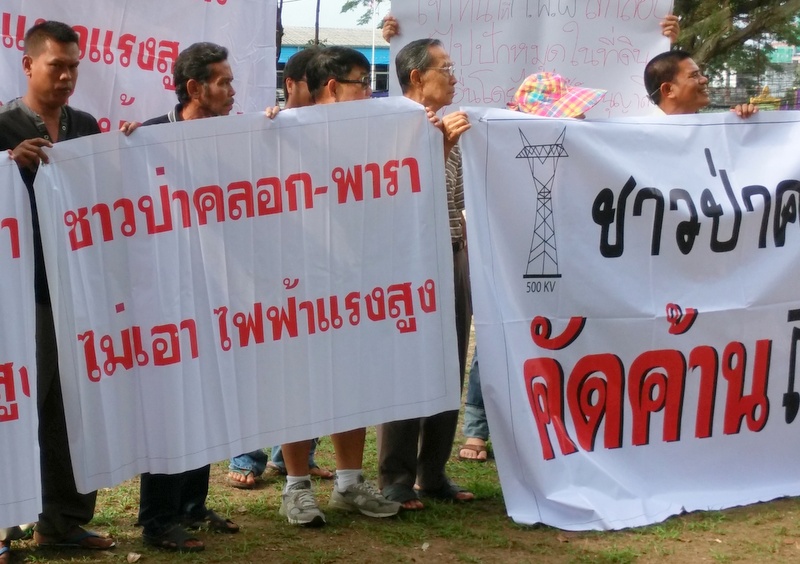

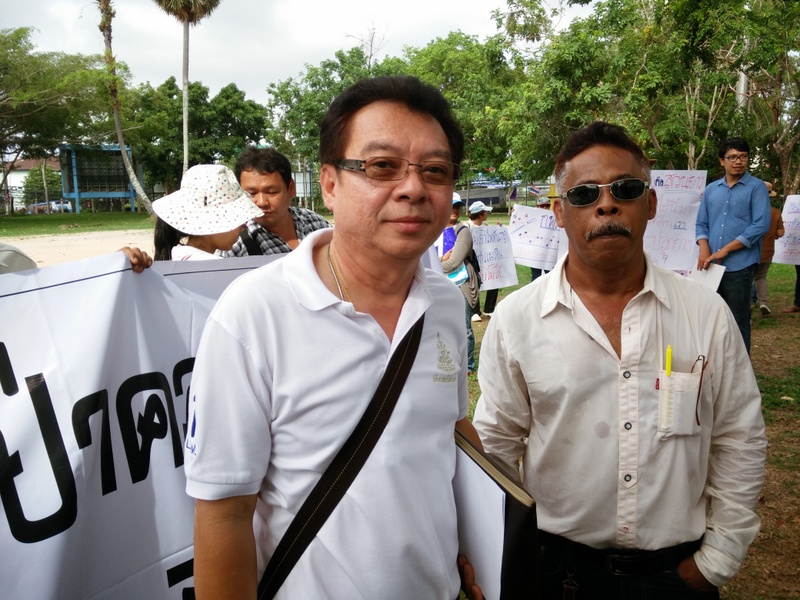
The residents learned of the plan to install high-voltage cables when Phuket Electricity Authority (PEA) workers arrived at their their village to locate suitable sites for the pylons, explained Natcha Ungamnauypon, a lawyer representing the villagers.
“The officers inspected the area for several days, but didn’t explain to anyone what they were doing,” he said.
“Then we got a letter asking us to join a meeting about this, but we felt [at the meeting] that the decision had already been made.”
The villagers’ plea, filed as a formal request to Governor Nisit Jansomwong, questioned the PEA’s process in carrying out its high-power project.
“Did the PEA give us a choice?” Mr Natcha asked. “Couldn’t the PEA to install these pylons elsewhere?
“We do not want to be forced out of our homes, but if these pylons are installed we will have to move.”
An official at Provincial Hall received the request on behalf of Gov Nisit, and assured that he would receive it.
The US National Cancer Institute notes that several early epidemiological studies raised the possibility of an association between certain cancers, especially childhood cancers, and electromagnetic fields created by high-voltage power cables.
However, most subsequent studies have not shown such an association, the NCI reports.(see here)
“But scientists have continued to investigate the possibility that one exists,” says the NCI.
Mr Natcha confirmed to The Phuket News today that he had yet to hear of any formal response from Provincial Hall regarding the villagers’ plight.