


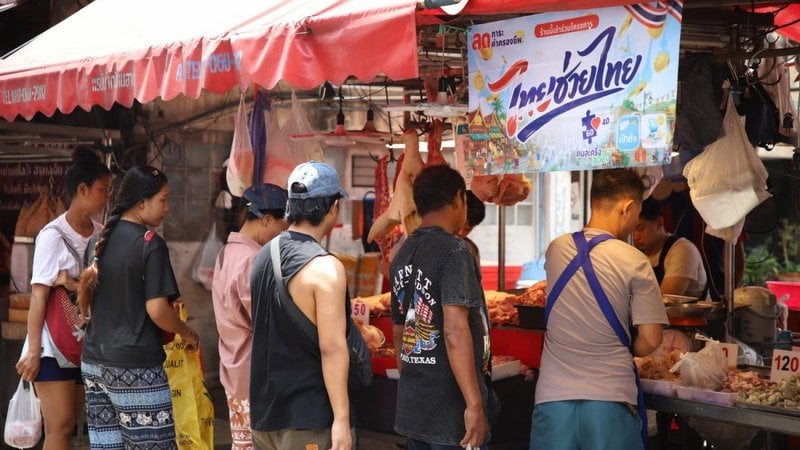
The programme recorded spending of B1,084.43 million by 5pm yesterday (June 1), with 5 million people using their benefits at over 566,000 participating shops nationwide, reports the Bangkok Post.
More than 26mn people were approved to participate in the scheme, while 865,524 businesses successfully registered and were ready to provide services, including 72,747 newly registered vendors.
The spending covered only purchases made through participating stores. Food delivery platforms will join the programme from June 15, a move expected to further increase spending.
Prime Minister Anutin Charnvirakul also promoted the programme on social media yesterday, encouraging people to use their benefits and support local businesses.
Deputy Prime Minister and Finance Minister Ekniti Nitithanprapas said the scheme helps households manage living expenses by reducing the cost of daily purchases.
He said the initiative comes at a time when households are facing pressure from global economic uncertainties, including higher energy costs linked to conflict in the Middle East.
“Every eligible purchase receives a 60% government subsidy, making goods more affordable,” he said after a visit to Thonburi Market in Bangkok’s Thawi Watthana district to monitor the scheme’s launch.
Mr Ekniti said that feedback from both consumers and vendors is positive, with participants describing the registration and payment process as straightforward and convenient.
He also recommended an artificial intelligence feature called “Nok Krasip” (Whispering Bird) integrated into the government’s Thung Ngern digital payment application.
The system provides vendors with information on sales volumes, peak trading periods, average prices and cost trends.
Mr Ekniti said the feature would help vendors better manage their businesses while generating sales records that could be used when applying for bank loans, particularly from state-owned financial institutions.
Easier access to formal credit would reduce dependence on informal lenders, he added.
The co-payment programme was highly visible at markets where participating vendors displayed the “60/40” signs. Vendors nationwide reported more activity than on normal days.
In Khon Kaen, food vendor Chanikarn Suebpasuk, 27, said sales increased significantly. She said customer behaviour changed with those who normally purchased one food box bought two or three yesterday.
“The subsidy makes it easier for them to spend. Some people had seen my shop before but never bought anything. Now they are willing to try,” she said.
Ms Chanikarn said the programme was better than direct cash handouts because it encouraged spending on essential goods and services, adding that cash handouts could be spent on a single purchase.
Rawiwan Thita, 63, said she hoped the programme would revive business after months of weak sales. “Business has been very quiet recently, especially after families spent heavily during the new school year,” she said.
Consumers also welcomed the initiative, with many saying they spent on stocking up on household supplies, including cooking oil, dried noodles, seasonings, beverages, and disposable diapers.
Supaporn Thongkul, 28, from Phimai district in Nakhon Ratchasima, said she appreciated the subsidy as it helps reduce living expenses and allows her to save money.