


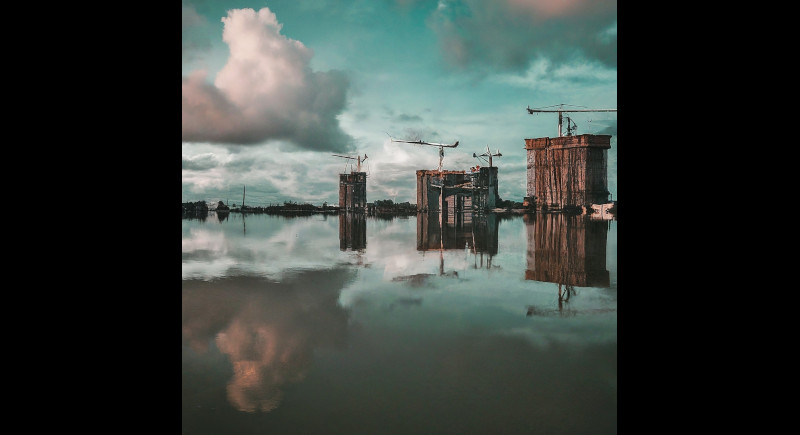
While some may attribute these floods to supernatural forces, the reality is far more mundane and rooted in the rampant overdevelopment that has plagued the island in recent years.
A Thai friend of mine, shaken by the recent floods, suggested that the island’s two Heroines, the historic protectors of Phuket against the Burmese, were upset by the temporary relocation of their monument due to ongoing redevelopment. While a charming anecdote, the real culprit behind the increased frequency and severity of flooding is far more tangible: the relentless removal of green spaces, and wetlands, and the excessive concreting of the island.
Phuket’s rapid transformation from a tranquil island to a bustling tourist hub has come at a steep environmental cost. Lush green fields and vital wetlands, which once acted as natural sponges, absorbing and filtering rainwater, have been replaced by concrete jungles of hotels, resorts and shopping malls. This reckless development has severely compromised the island’s natural drainage systems, leaving it woefully unprepared to handle the torrential downpours that characterise the rainy season.
The consequences of this overdevelopment are painfully evident. Areas once immune to flooding are now routinely submerged, and the damage inflicted on homes, businesses, and infrastructure is mounting year after year. The most vulnerable members of society, particularly the poor and marginalised, bear the brunt of these floods. In Cherng Talay, for instance, a makeshift encampment housing hundreds of Burmese construction workers was recently inundated, displacing its already precarious residents.
Ironically, while Phuket’s two Heroines once valiantly defended the island against the Burmese, it is now the waters themselves that seem to be displacing a new wave of Burmese migrants. The overdevelopment of the island has fueled a construction boom, attracting a large influx of workers from neighbouring Myanmar. Many of these workers live in substandard housing in low-lying areas, making them acutely vulnerable to the floods that have become an annual occurrence.
The government’s response to this crisis has been lacklustre. Lax planning regulations and a lack of enforcement have allowed developers to run roughshod over the island’s delicate ecosystem. Inadequate drainage systems and failing to invest in flood mitigation measures have exacerbated the problem, leaving residents and businesses to fend for themselves.
Phuket is not alone in facing the consequences of unchecked development. Cities around the world, from Jakarta to Houston, are grappling with similar issues. As urban areas expand, natural landscapes are sacrificed, and the risk of flooding increases dramatically. The poorest and most vulnerable communities are invariably the hardest hit, highlighting the deep inequities that underlie these disasters.
Phuket’s leaders must take immediate action to address this crisis. A moratorium on further development in vulnerable areas, coupled with investment in green infrastructure and flood mitigation measures, is urgently needed. Stricter planning regulations and enforcement mechanisms must be put in place to prevent a repeat of the mistakes of the past.
The island’s two heroines may be powerless to hold back the floodwaters, but the people of Phuket are not. By demanding accountability from their leaders and advocating for sustainable development practices, they can help to protect their island from the ravages of overdevelopment.
Simon Causton is a long-time Phuket resident, founder of Citadel Phuket and author of ‘The Phuket Periodical’ newsletter. X (Twitter): @SimonCauston