


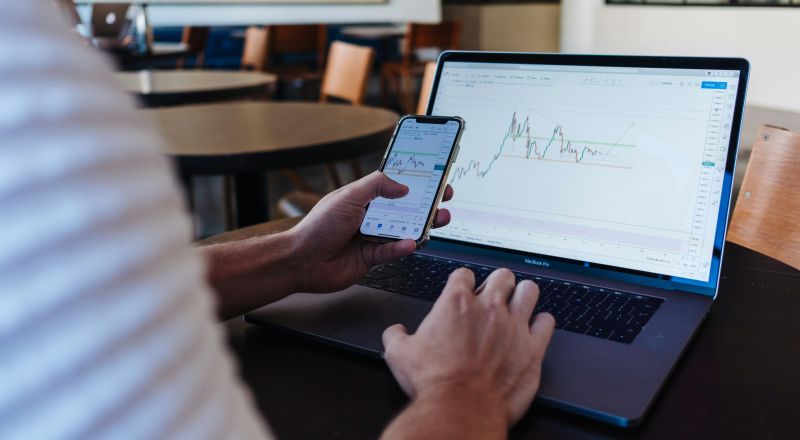
For Thai traders and small business owners, forex trading and cross-border payments already spill into daily life. Many earn in one currency, spend in another and constantly check the baht value of what they do. I’ve seen shop owners in Phuket glance at a USD/THB chart before pricing a tour. A digital baht could tighten the links between domestic wallets, global platforms and online brokers in ways that feel very different from today’s bank based system, which often behaves like a gate that opens only at certain hours.
1. Faster Funding And Withdrawals For Thai Retail Traders
Speed is the first change most people will notice. Today, moving money between a Thai bank account and a trading account comes with delays, cutoff times and manual checks. The process can feel slow, especially when markets swing quickly. So what happens if settlement becomes nearly instant?
Thai traders could fund accounts in minutes during the active London or New York sessions instead of planning deposits hours earlier. In Bangkok, that might mean topping up during a sudden USD/JPY breakout rather than missing the entire move. And withdrawals would land in a digital wallet much faster, giving traders control that feels closer to cash in hand. Think of it as the difference between waiting for a taxi in the rain and hopping on the MRT when it arrives at the platform.
2. Lower Friction In Cross-Border Payments
Many Thais maintain financial ties abroad. Students receive support from home, freelancers get paid by foreign clients and tourism businesses settle bills with overseas partners. But why do small transfers still feel so expensive or slow?
If the digital baht plugs into regional payment rails or smart-contract systems, cross-border transfers could move with fewer intermediaries, almost like sliding along a cleaner, shorter path. In Chiang Mai’s creative sector, for instance, designers who bill in USD might see fees drop on modest invoices that currently feel uneconomical to send. For traders who pay for data services or charting tools in foreign currencies, this isn’t a theoretical perk. It’s a practical shift that removes friction they deal with every month.
3. Clearer FX Conversion Paths For Everyday Users
Many people in Thailand are not entirely sure what exchange rate or fee they’re paying when converting baht. Banks, cards and remittance apps often hide the true cost inside spreads and service charges. You might have noticed this during a holiday trip when your card statement looked different from what you expected. Why should FX feel like a guessing game?
A transparent digital-baht system could show, in real time:
• The live rate between baht and major currencies
• The exact fee applied to each conversion
• How different payment routes compare for the same amount
That clarity can empower users funding trading accounts, paying international invoices or sending money to relatives abroad. In local markets like Hat Yai, where cross-border Malaysian spending is common, small improvements in transparency often make a big difference. It’s like turning on a light in a room you’ve walked through for years.
4. New Types Of Baht-Based Wallets For Traders And Merchants
A digital baht will likely live in specialised wallets, not standard bank accounts. That shift opens space for fresh financial tools that sit between retail apps and professional platforms. And what might that look like?
Imagine a wallet built for traders, tied directly to popular forex platforms, offering real-time balances and fast internal transfers between trading and savings sub-accounts. I’ve seen merchants in tourist hubs like Krabi juggle payments from multiple countries, and a setup like this could streamline everything. Small businesses receiving funds from tourists or overseas buyers could convert between digital baht and foreign currencies with less hassle. This blurs the old boundary between local payments and global market access, almost like merging two lanes of traffic into one smooth road.
5. Better Risk Controls Through Programmable Features
Programmability is one of the more debated features of central bank digital currencies. The final approach depends on policy, but built-in safeguards are very possible. And that raises a question: how do you protect users without slowing the market?
For Thai authorities, programmable tools might help:
• Set limits on high-risk transaction types
• Flag unusual patterns that suggest scams
• Offer mechanisms that encourage responsible use of leverage or credit
Retail traders could see safer funding flows and better fraud protection. In a landscape where some platforms still target inexperienced users with aggressive promotions, added guardrails could support long-term confidence. Think of it as installing seat belts in a car that already goes fast.
6. Closer Integration Of Education, Analytics And Payments
A digital-baht infrastructure could make it easier to link education, analytics and real transactions in a single flow. Why jump between five apps when you could use one?
A Thai user might take a short lesson on currency risk, test a scenario with simulated funds and then move a small amount of digital baht into a real account within the same ecosystem. Younger Thais who already rely on mobile banking, QR payments and e-wallets would adapt quickly. In Bangkok’s university districts, for example, students exploring trading for the first time might appreciate an experience that blends theory with carefully managed practice. It’s like learning to drive in a quiet parking lot before moving onto the main road.
7. New Data For Policy Makers And Market Participants
The digital baht could change how money moves, but also how policy makers understand those movements. Aggregated and anonymised data can reveal how households and businesses interact with global markets. What regions matter most for Thai retail flows? Where do people feel currency swings the most?
If more Thai residents use digital baht for foreign-currency payments and trading, authorities could gain insight into:
• Which regions influence Thai retail users
• How sensitive domestic behaviour is to global FX shifts
• Where financial-education efforts should focus
This supports targeted regulation and programs that encourage healthy participation instead of speculative extremes. For traders and businesses, clearer rules and stronger infrastructure usually translate into a more stable environment. In the long run, that’s what people rely on when planning multi-year strategies.
As Thailand experiments with a digital baht, retail traders and cross-border businesses will be watching closely. The details will matter, but the direction is unmistakable. Money is becoming more digital, more connected and more programmable. For Thai users who already live through QR codes, online platforms and global links, the digital baht could become the central hub that ties together local spending, international payments and currency trading into a faster and more integrated experience.