


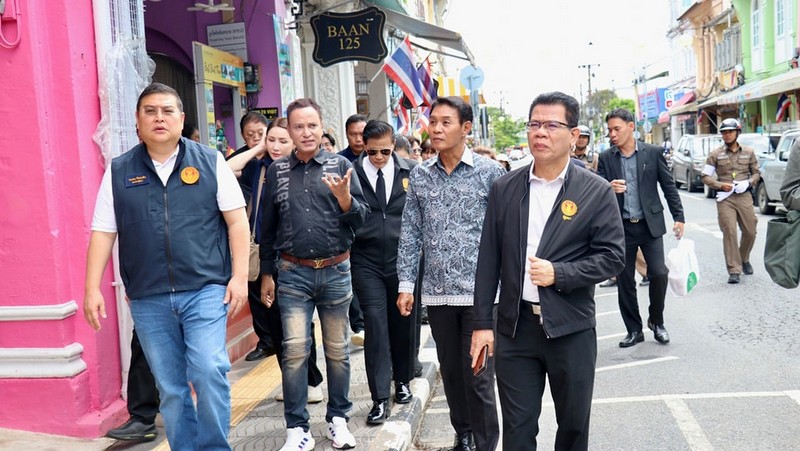
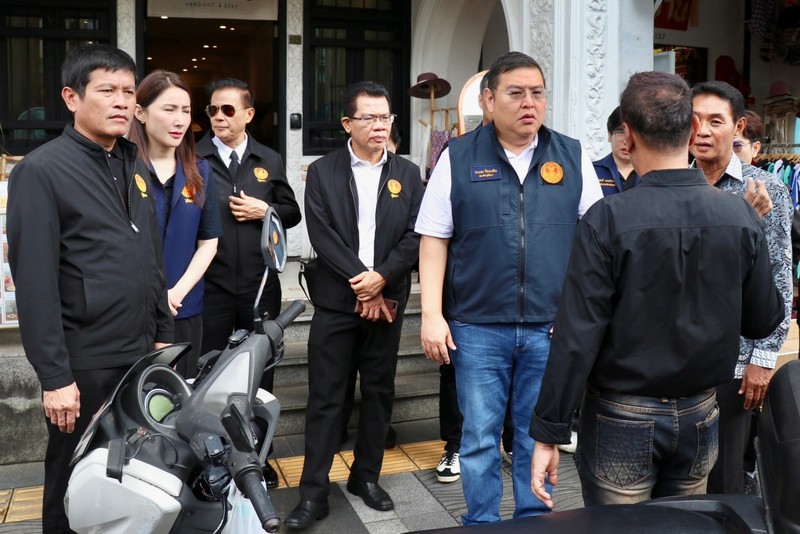
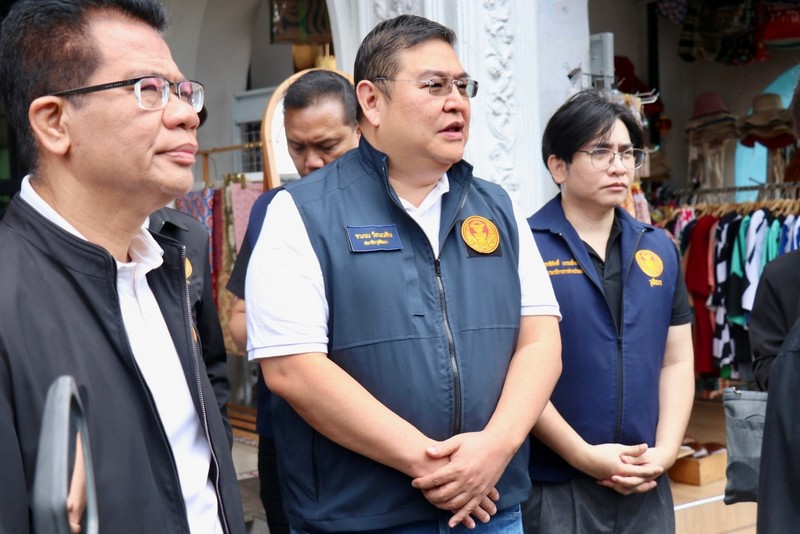
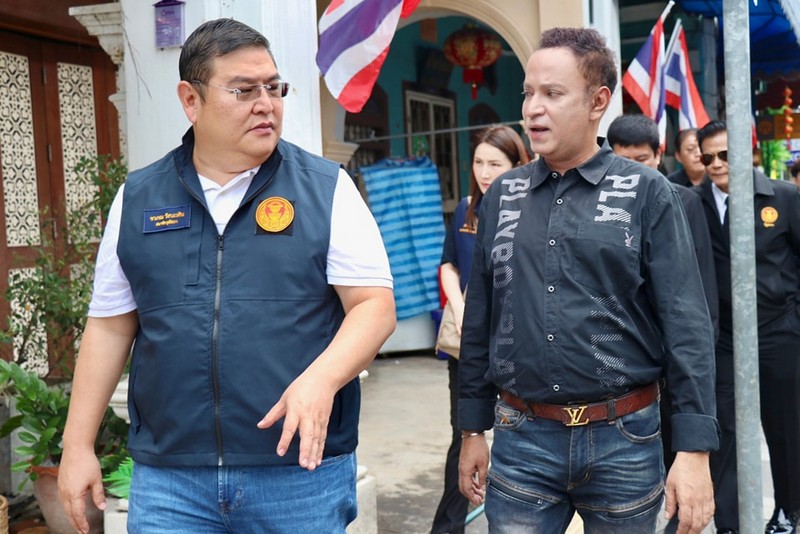
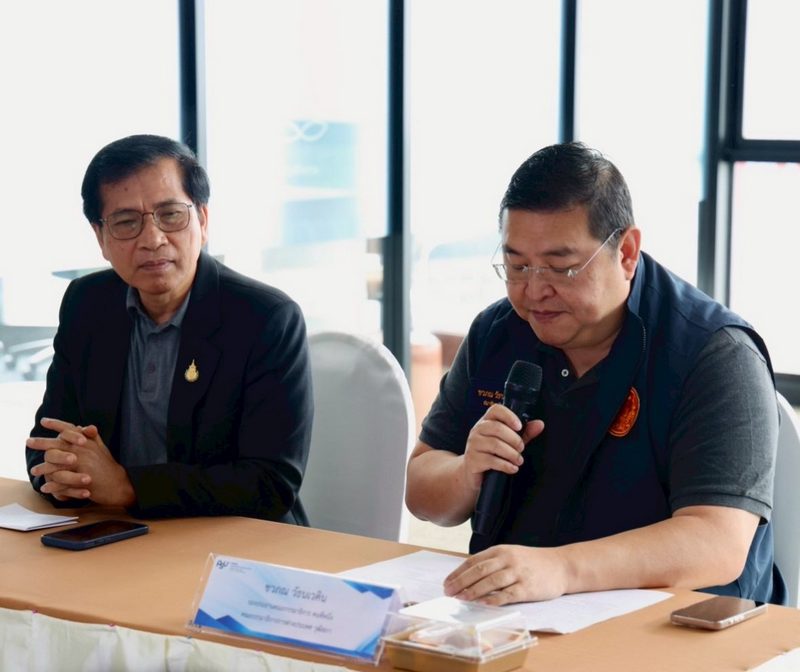
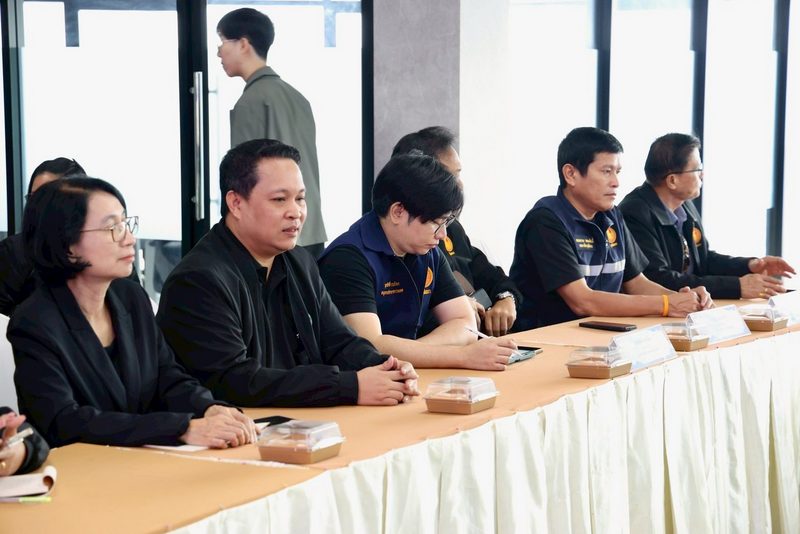
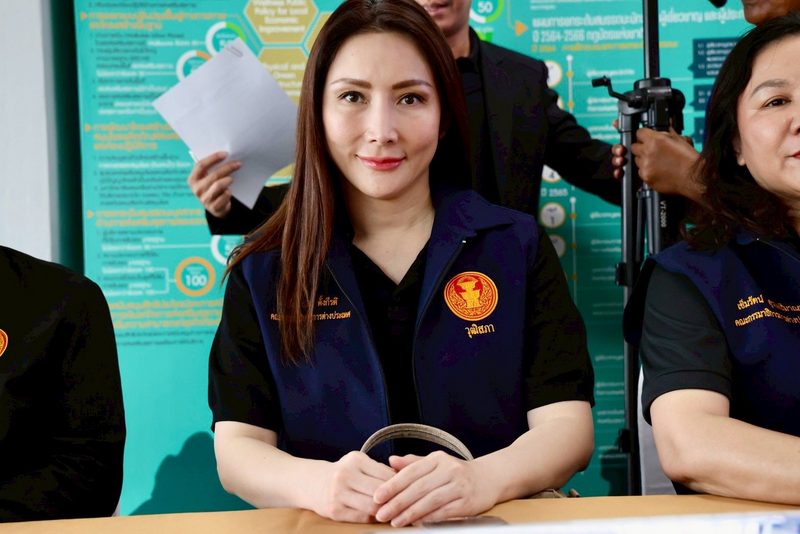
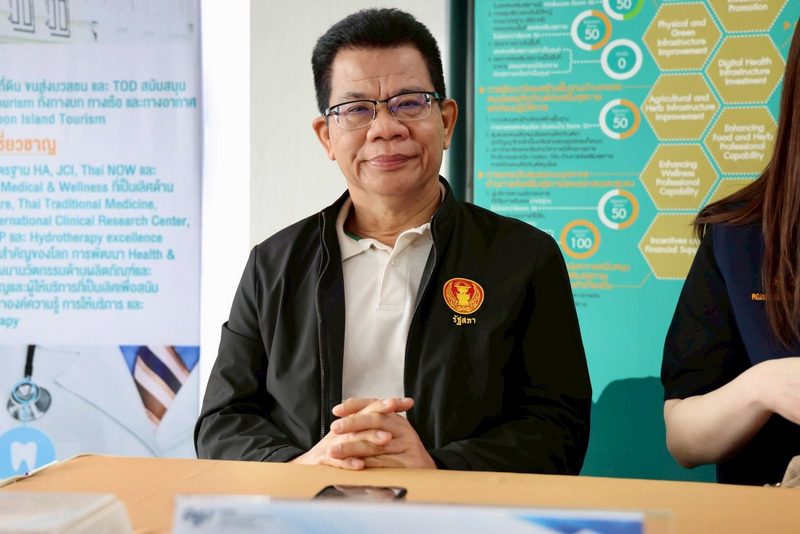
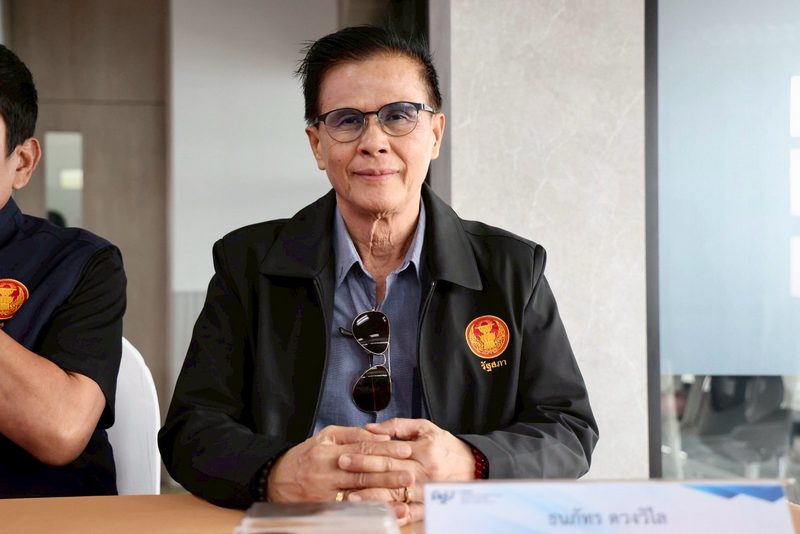
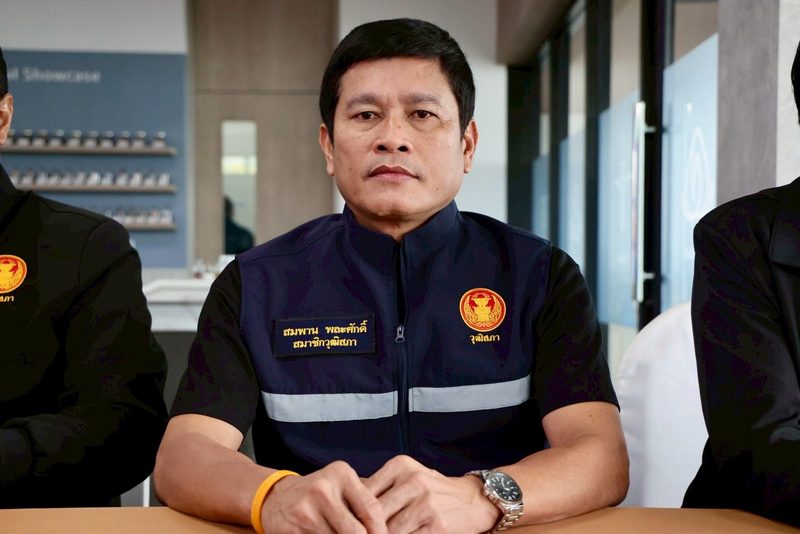
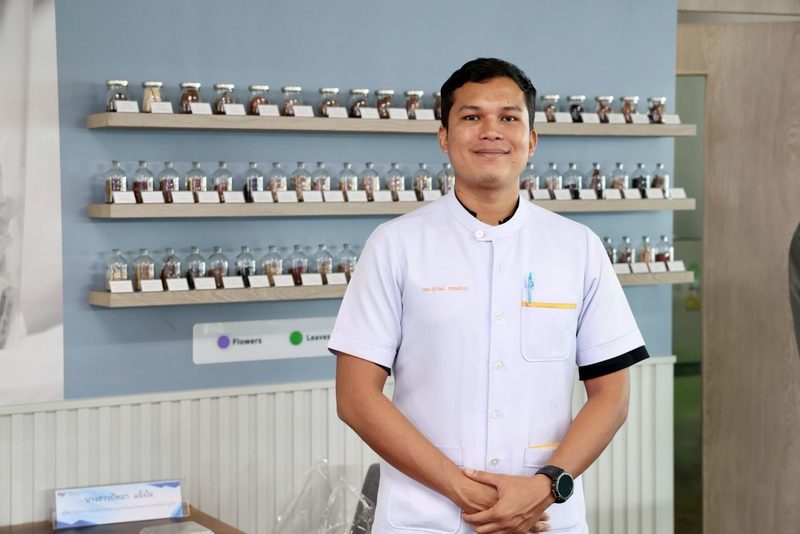
The three-day visit, from Oct 31 to Nov 2, was led by Committee First Vice-Chairman Chawaphon Wattanavekin and Fifth Vice-Chairman Chip Jitniyom. The delegation was welcomed by Phuket Vice Governor Samawit Suphanphai at Phuket Provincial Hall on Thursday (Oct 31).
Narong On-in, Chief of the Phuket Provincial Office, joined senior officials from government and private agencies in presenting Phuket’s progress toward becoming a Smart City, alongside updates on security, labour, and tourism management.
The Digital Economy Promotion Agency (depa) outlined seven key areas of the Smart City development plan – Smart Citizens, Environment, Living, Energy, Public Administration, Economy and Transportation – featuring major projects such as the Phuket Eye surveillance system and Smart Pier network. These are being implemented in cooperation with ASEAN+6 countries to raise Phuket’s standards to an international level.
The Provincial Administrative Office reported on safety initiatives using Village Defense Volunteers (VDPs), Kamnan, village headmen, and other local forces under the “Physical Presence Theory”, working closely with police and tourist agencies to assist visitors. The Phuket Provincial Police highlighted progress on linking CCTV networks across key locations, supported by AI systems for behaviour detection, facial recognition, and licence plate verification.
The Immigration Office reported 348 cases involving 436 suspects this year, with most offences involving illegal work by foreign nationals, mainly from Myanmar. The office also promoted the Strong Tourism Community project, which employs 79 Thai and 43 foreign volunteers to assist tourists in busy areas such as Bangla Walking Street.
The Labour Office reported a total labour force of 623,669, with 347,957 people employed and an unemployment rate of just 1.17%, mainly in the tourism and service sectors.
Committee members praised Phuket’s integration of Big Data into public administration and identified key challenges, including airport congestion and the need for underground power line development. The committee recommended stronger cybersecurity and data protection systems to safeguard Smart City operations.
Findings from the visit will be compiled into a White Paper for submission to the Cabinet and relevant agencies, said an official report of the visit.
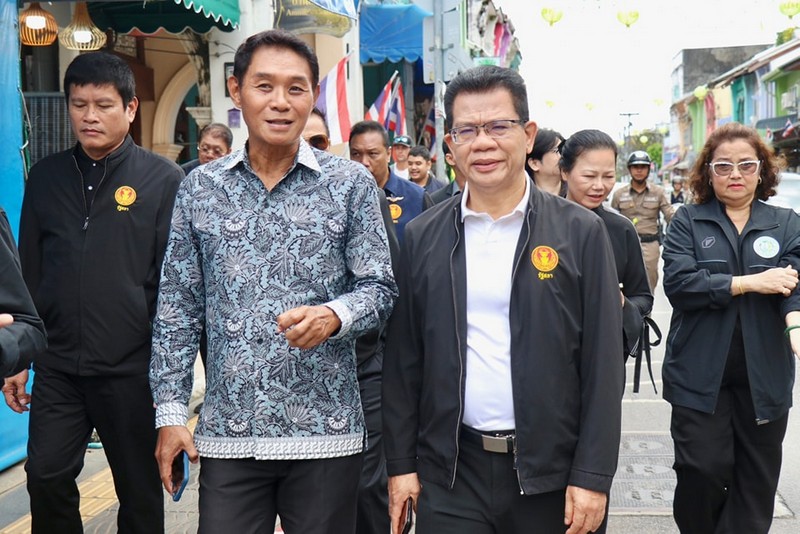
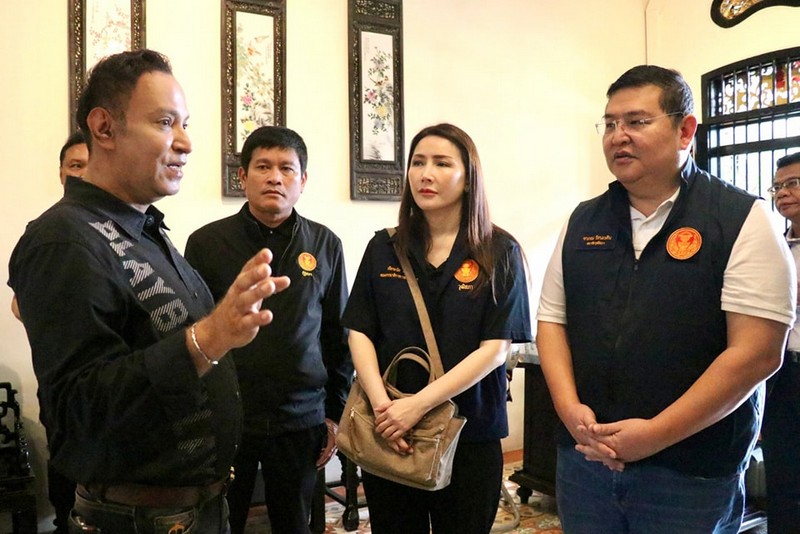
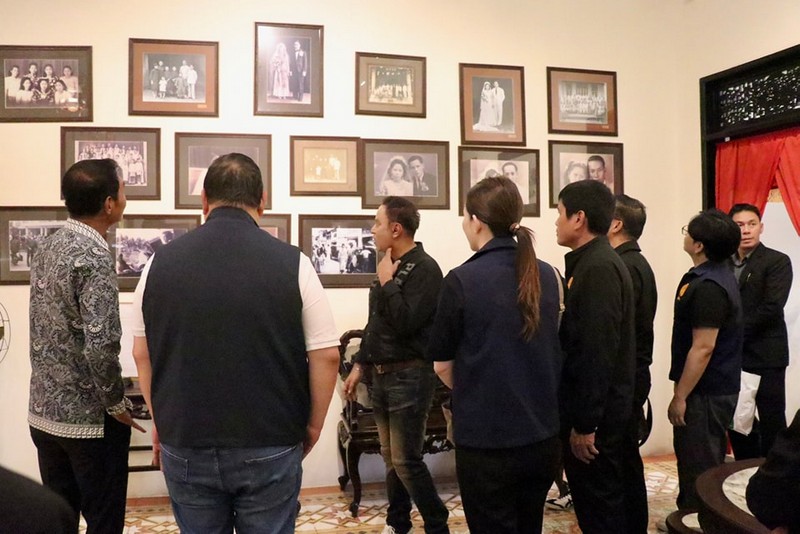
On Saturday (Nov 1), the delegation toured Phuket Old Town, where they met with local leaders and conservation networks to discuss the preservation of Sino-Portuguese architecture and the balance between cultural tourism and urban growth. They also visited Klang Road, exploring proposals to elevate the area as a cultural landmark that connects Phuket’s heritage to international tourism.
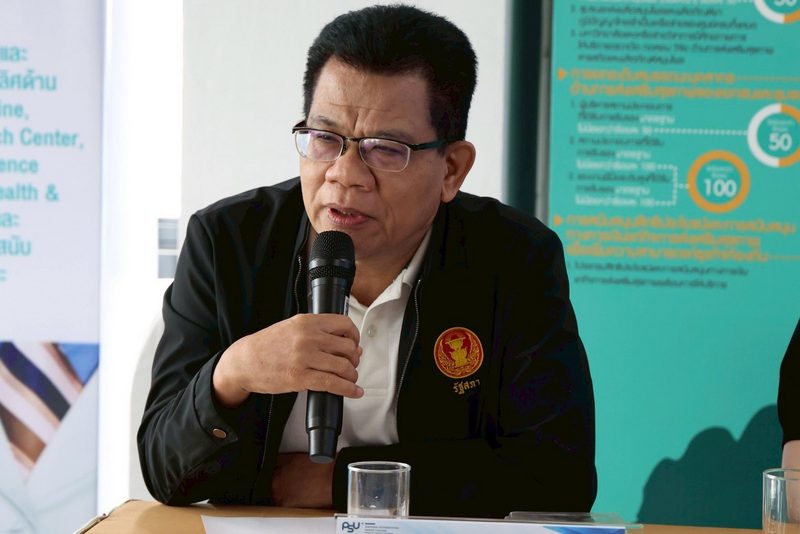
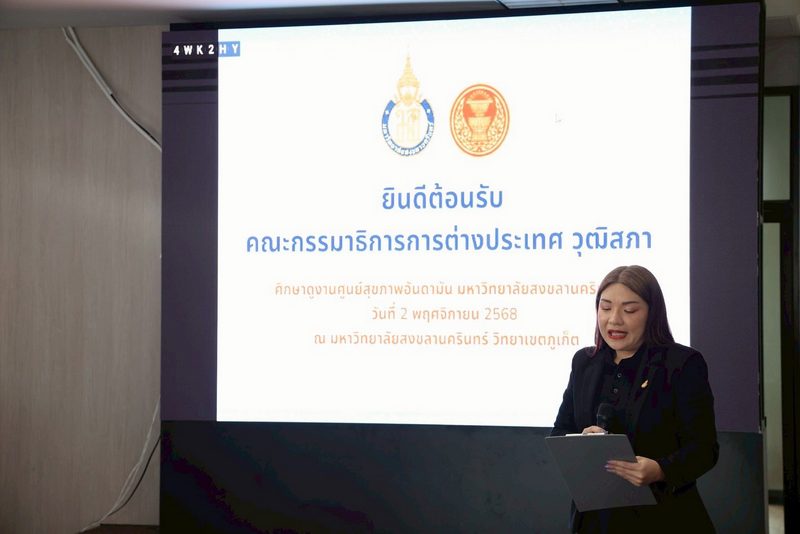
The final day of the visit (Nov 2) saw the committee at the Andaman Health Promotion Coordination Center at Prince of Songkla University (PSU) Phuket Campus, where they were welcomed by Associate Professor Dr Phan Thongchumnum, Vice President of PSU Phuket Campus.
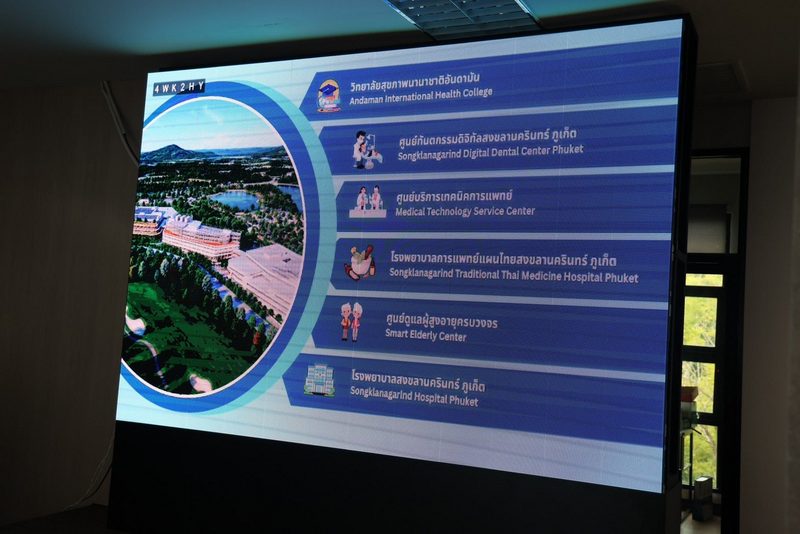
Dr Phan outlined plans to develop the Andaman Health Center into a world-class medical and wellness hub, featuring the Digital Dental Center, Thai Traditional Medicine Hospital, and Songklanagarind Phuket Hospital, designed to serve more than 170,000 outpatients annually. PSU also offers a multi-potential Doctor of Medicine (MD) programme combining medicine, language, and quantum technology to support Phuket’s development as a “World Health City”.
The Senate Committee praised the university’s work and pledged to advocate for budgetary support to advance the Andaman Health Center’s projects.
Mr Wattanavekin said the visit reflected strong collaboration between the legislative and academic sectors to support Phuket’s transformation into both a leading Smart City and a regional medical hub.