


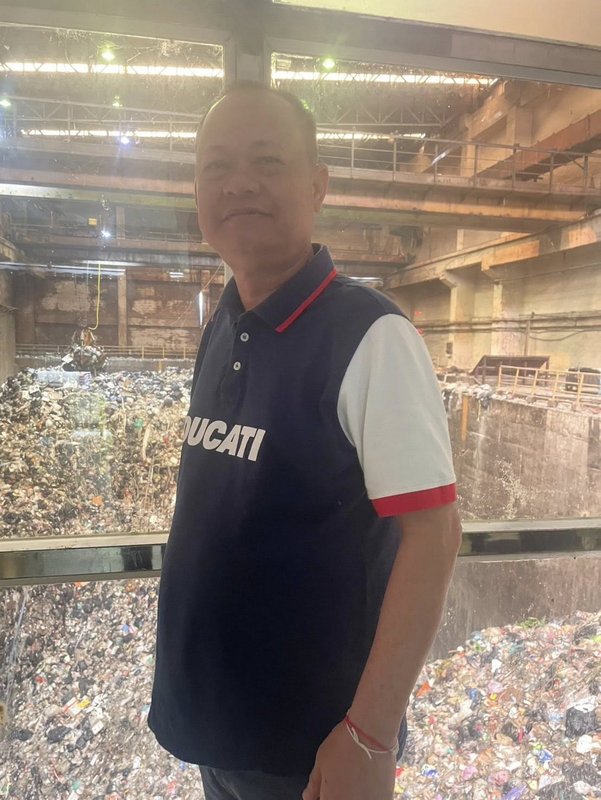
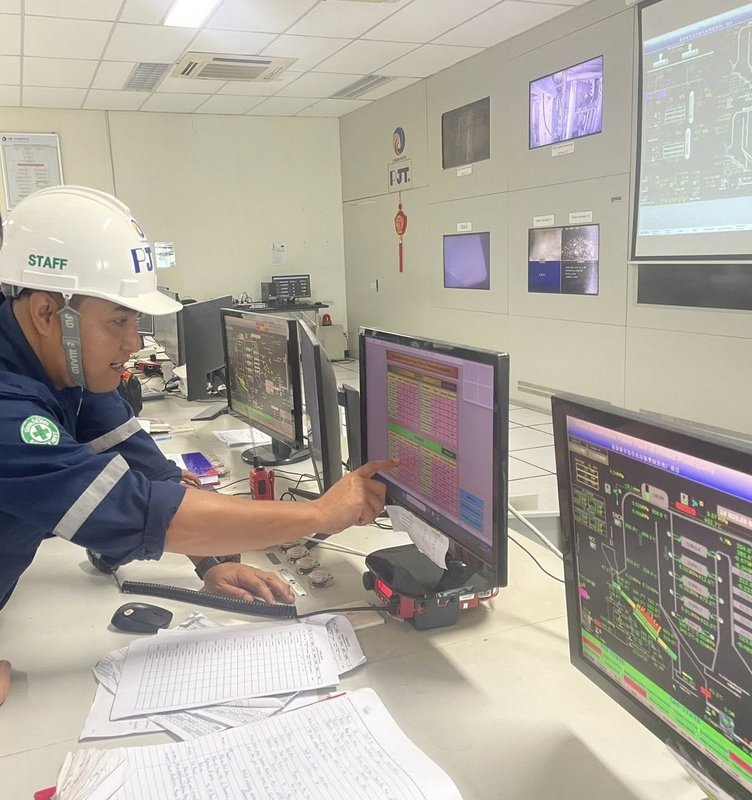
The remark came during a recent visit by Senate Committee advisor Samran Sinthong and his delegation to Phuket City Municipality, where they inspected waste management operations and the increasingly strained landfill system at Saphan Hin.
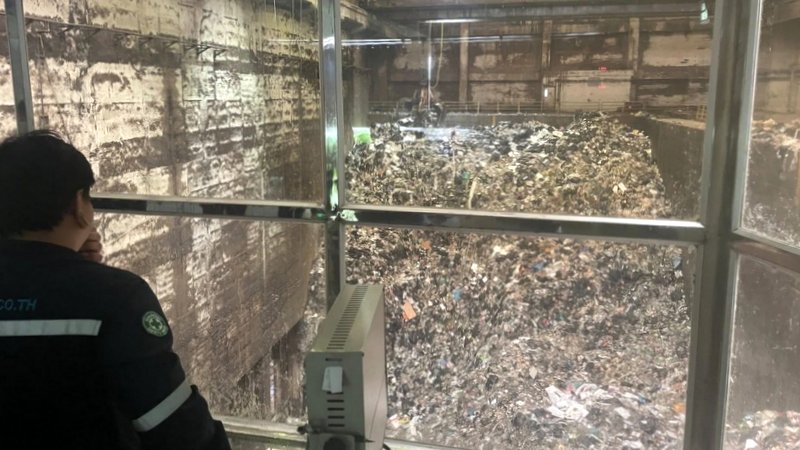
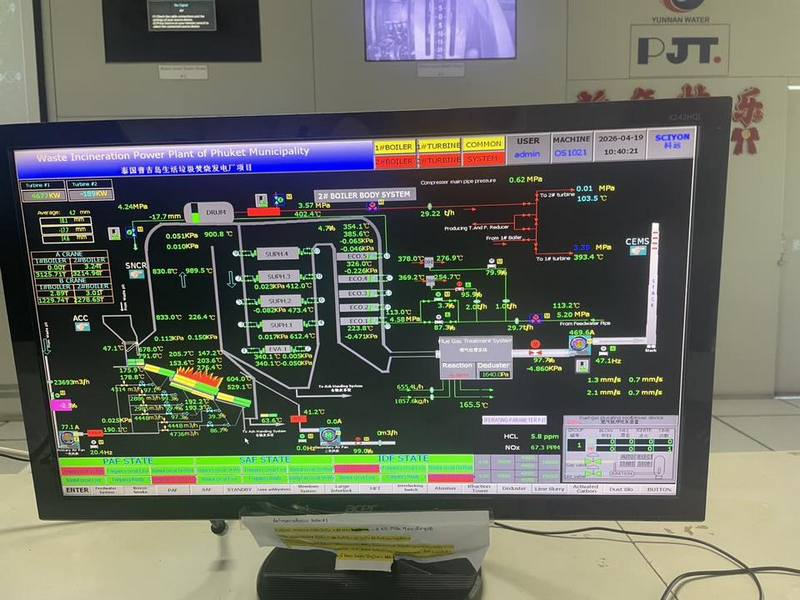
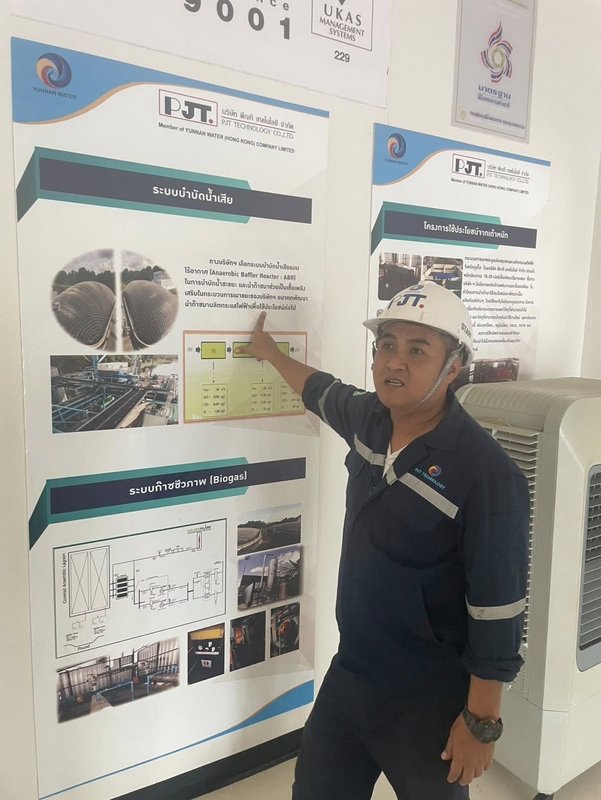
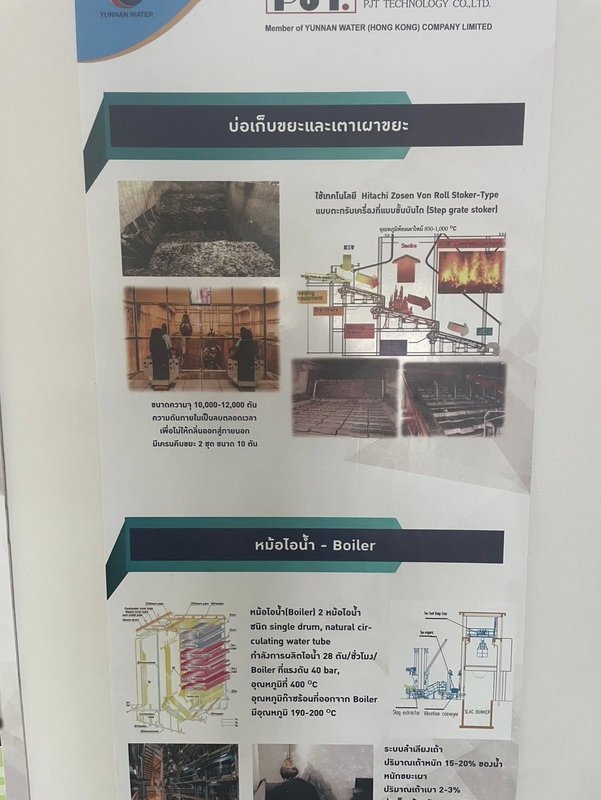
During the visit, the team toured the municipality’s Community Solid Waste-to-Energy Plant (Plant 2), which handles up to 700 tonnes of waste per day.
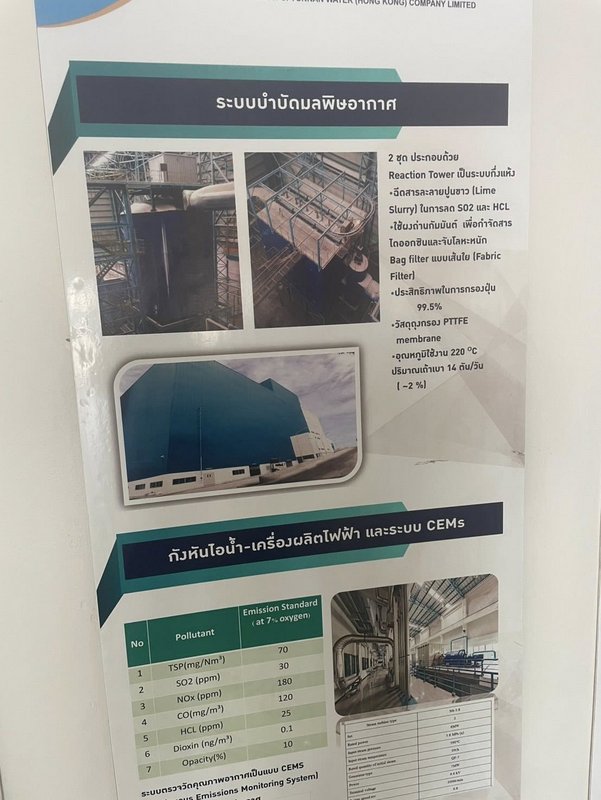
According to an official report of Mr Samran’s visit, Mr Samran highlighted the importance of maintaining proper combustion standards to control air pollution and ensure effective management of residual waste. Apparently that is important.
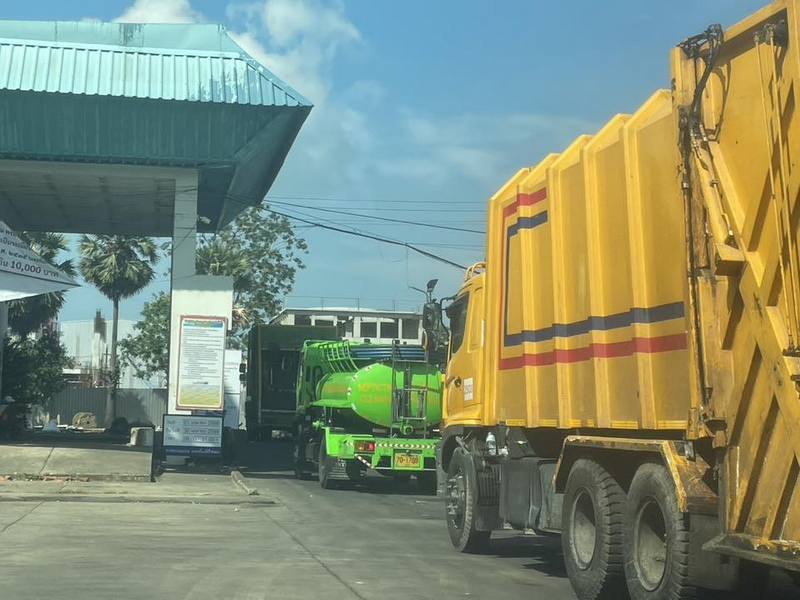
However, it was the condition of the landfill that drew the most attention. Local officials have already described the site as being in a “crisis” state, struggling to cope with the growing volume of waste driven by tourism and economic activity – an issue that has been evident to residents for years.
It was brought to Mr Samran’s attention that among the impacts were foul odours affecting nearby communities, visible accumulations of rubbish, and environmental risks from potential wastewater seepage into surrounding soil and water sources ‒ all factors long widely known in Phuket.
Mr Samran said the findings from the visit would be raised with relevant agencies at the Senate level, with several measures proposed to address the situation, said the official report of this visit.
These include expanding the capacity of waste incineration facilities, identifying new landfill sites, promoting waste separation at source, and tightening environmental controls to limit the impact on local communities, the report noted, without providing any further details.
The visit underscores renewed attention from central authorities on Phuket’s long-running waste management problems, though for many on the island, the scale of the issue has hardly been difficult to spot.