


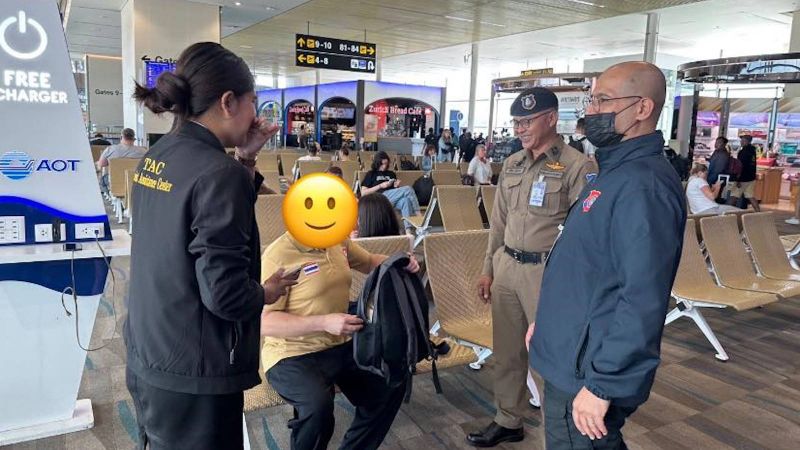
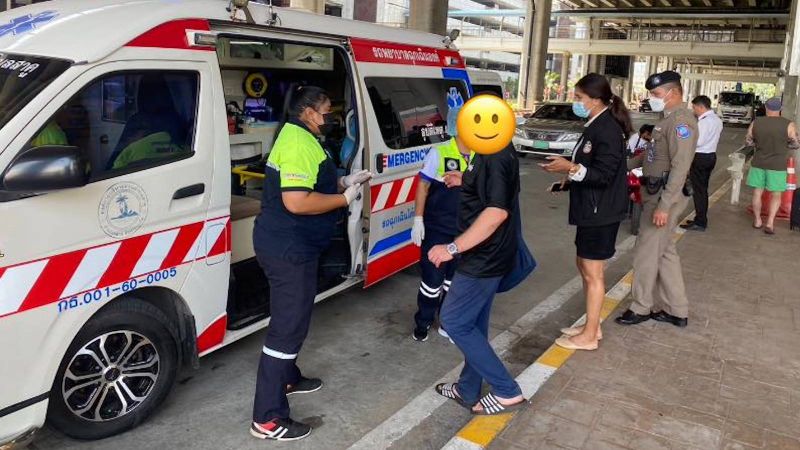
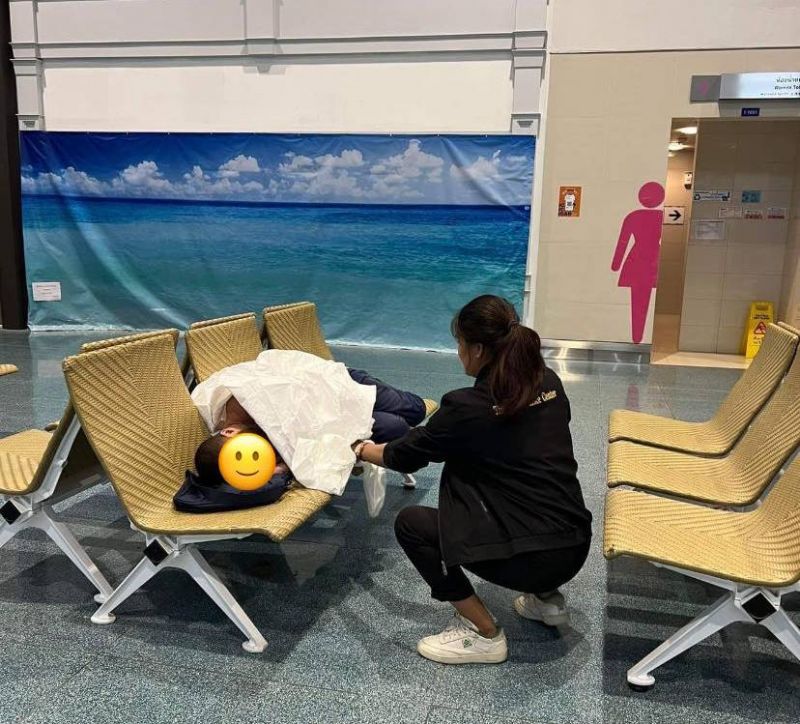
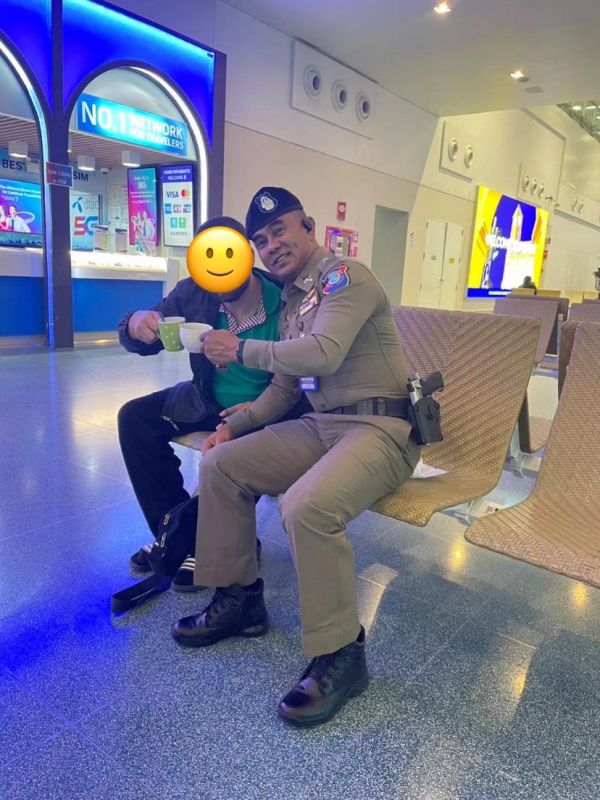
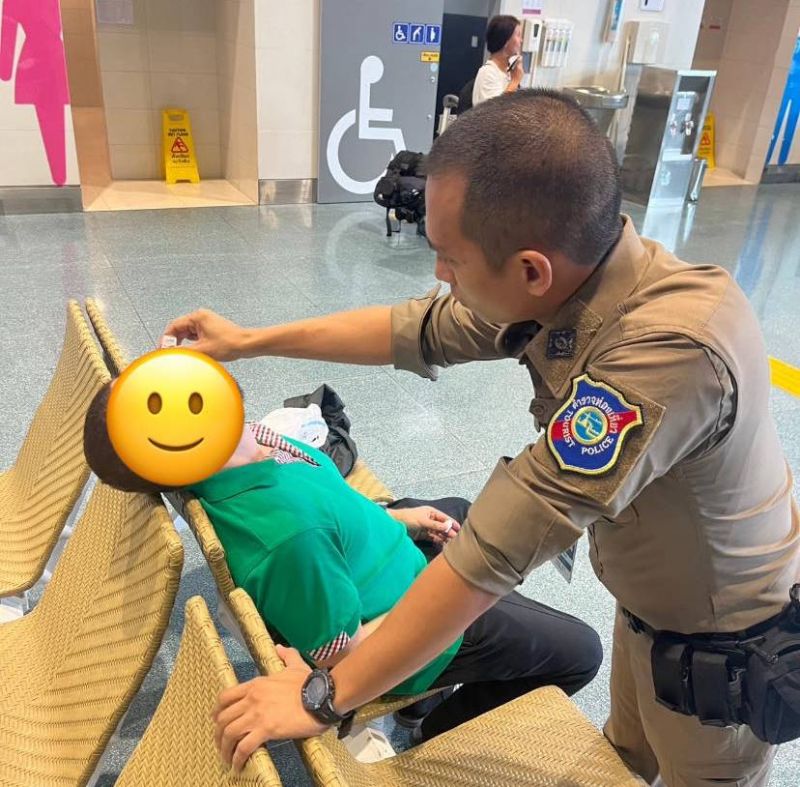
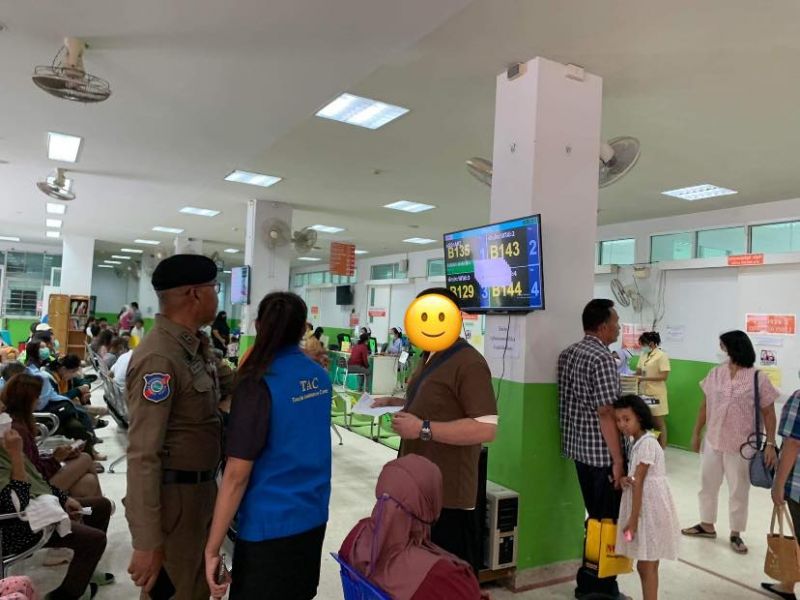



The story of the stranded Russian tourist, who spent 14 days at Phuket International Airport after missing his return flight, was published on the TAC page on Facebook yesterday (Sept 21). The man was identified in the publication only as Mr Oleg, no further details about his identity were provided.
According to the TAC, Mr Oleg arrived on the island as a tourist but missed his return flight. Airport staff found him in the International terminal in distress and heavily intoxicated. The man had no money to either buy a new ticket straightaway or to support himself while his relatives were arranging tickets for him.
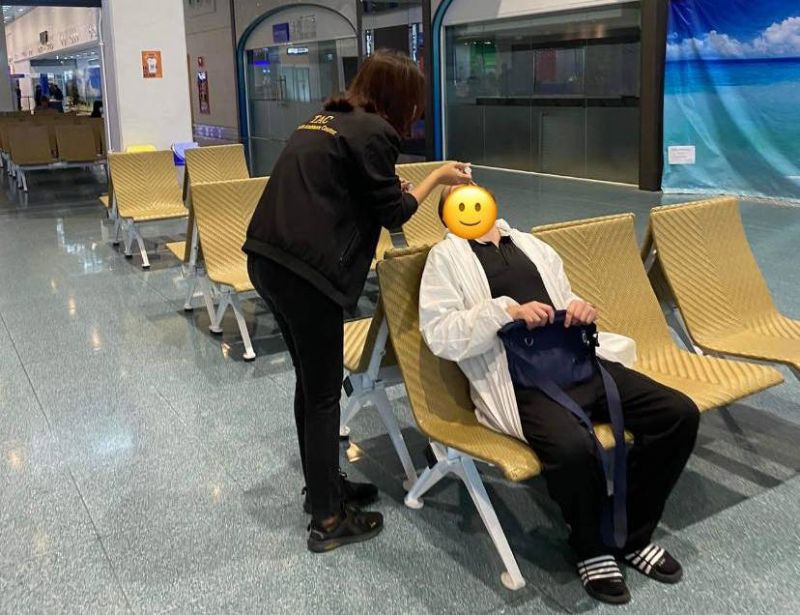
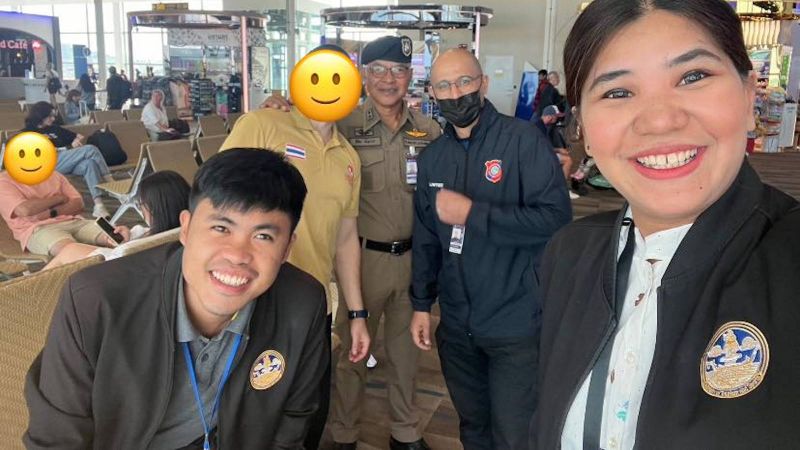
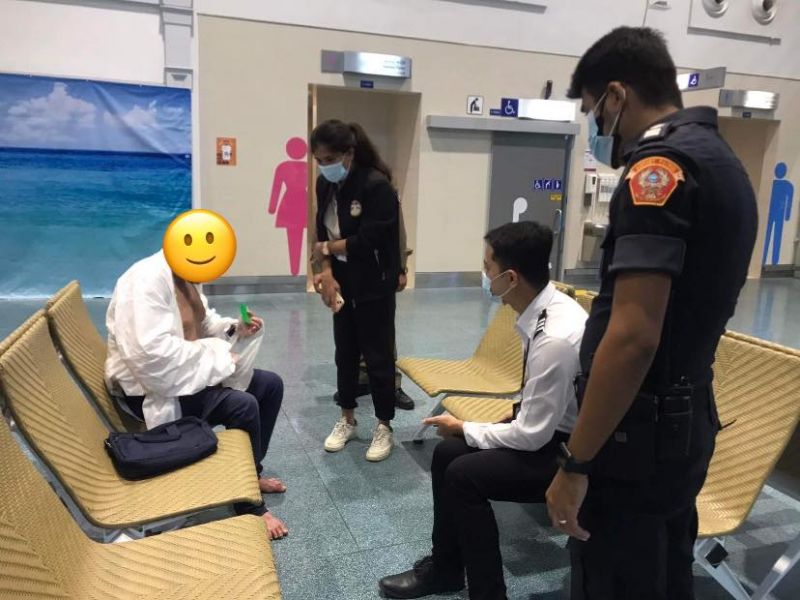
For the following two weeks, airport personnel, TAC officials, and Phuket Tourist Police officers jointly took care of Mr Oleg. At some stage, the Russian man required medical assistance for an eye infection and was taken to Thalang Hospital, where he was prescribed eye drops.
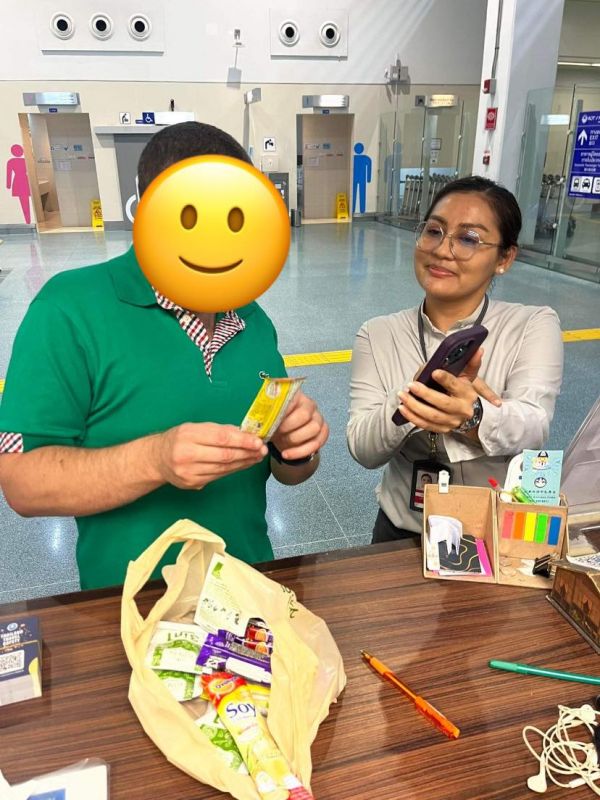
TAC officials and Tourist Police officers provided the man with assistance for the medication and also bought food at the airport. According to the TAC, Mr Oleg avoided visiting shops himself as he was not sure if he could refrain from buying alcohol.
On Thursday (Sept 21), Mr Oleg thanked all the parties for the help provided and flew back to Russia on a flight paid for by his mother.
"Thank you all for your great support," the tourist conveyed through the translation app on his phone.
"It was really difficult without you," he added in a separate message.
In turn, the TAC thanked everybody involved in helping Mr Oleg during his ordeal.
It is yet to be revealed why Phuket officials had not made the story public and requested support from the Russian community before Mr Oleg’s departure from Phuket.
Oddly enough, this was not the first time Mr Oleg missed his flight and got stranded at the airport, according to the TAC. The Facebook post clearly states that the man was known to officials as he had already been in a similar situation at the end of 2022.
“The Tourist Assistance Center does not have a budget to support tourists financially. Assistance in each case depends on the work conditions, behavior and consent of the tourists to cooperate,” the TAC added.