


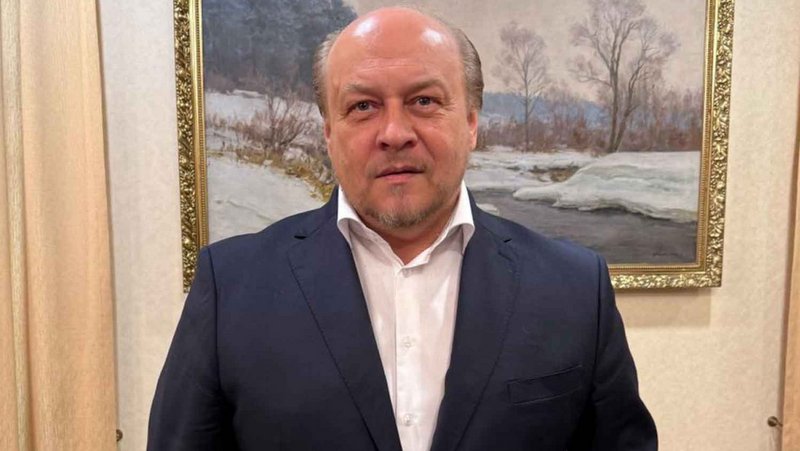
Mr Tomikhin said Thailand’s position reflects its tradition of friendship with Russia, dating back to 1897 when diplomatic relations were first established between King Rama V and Tsar Nicholas II. Next year Russia and Thailand will mark the 130th anniversary of bilateral ties, reports the Bangkok Post.
“Thailand decided from the very beginning to remain neutral and follow a balanced line in international matters concerning this situation,” he said, adding Moscow values this stance and continues to engage in dialogue with Thai government authorities, universities, researchers and journalists.
The ambassador recently met Prime Minister Anutin Charnvirakul to discuss bilateral issues, geopolitical developments and Russia’s perspective on the war. The meeting was part of the prime minister’s regular engagement with foreign diplomats.
“I fully respect and appreciate any opportunity to talk with him,” Tomikhin said.
He was speaking to the Bangkok Post on the fourth anniversary of the Russia-Ukraine war, which began on Feb 24, 2022.
Global majority is vital
He stressed the importance of the “global majority”, a term used to describe countries across Eurasia, Latin America and Africa, including major powers such as China and India.
He said this bloc represents a broader perspective than what is often referred to in the West as the “civilised community”, which typically includes Europe, the United States, Japan, Australia and New Zealand.
Tomikhin also criticised the Western role in the Russia-Ukraine conflict, reaffirming Moscow’s security concerns.
He accused Western nations of provoking and prolonging the war in Ukraine, arguing the conflict is part of a centuries-long pattern of attempts to weaken Russia. He claimed Western governments are fuelling the fighting by supplying weapons and resources while avoiding direct involvement themselves.
He described the war as a “hybrid conflict”, involving not only military operations but also information campaigns and political manoeuvring designed to undermine peace talks. Despite negotiations in Geneva, Dubai and Abu Dhabi, “provocative actions” from the West continue to escalate tensions.
Tomikhin contrasted the positions of the United States and Europe, suggesting Washington’s new administration may be less interested in financing the war, while European governments remain determined to support Ukraine militarily.
Russia, he added, remains open to diplomatic dialogue but insists on protecting its own security interests. He argued that NATO’s potential expansion near Russia’s borders posed an existential threat to Moscow.
“When Nato military bases could be built just near the Russian border, close to Moscow, of course, there might be a big challenge for our security,” he said.
Russia’s actions were aimed at safeguarding national interests and the security of Russian citizens living in Ukraine, he said. Asked when the conflict might end, he said Russians “always prefer peace” but must remain ready to defend their territory.
Abduction claims ‘fake’
Tomikhin also dismissed Ukrainian accusations that about 20,000 Ukrainian children were abducted and taken to Russia during the conflict, calling the figures “completely fake”.
Referring to the Russia-Ukraine negotiations held about a year ago in Istanbul, he said the issue had been raised by the Ukrainian delegation and the Russian side. Ukraine, he said, later submitted a list containing only 339 names, not the tens of thousands alleged publicly.
“We checked every case carefully,” he said, adding the review found many of the children on the list were living in European countries, having fled the war with or without their families. “They have never been in Russia.”
Some children were located inside Russia, he said, but attributed their presence to wartime chaos and voluntary movements across the border. Many Ukrainian people fled and some Ukrainian children crossed the border without parents or relatives.
Several names on the list belonged to individuals who are now adults, he said.
“It’s totally fake,” he added of the broader allegations. “You can say 50,000 but please prove it. Give us names. All we received was 339.”