


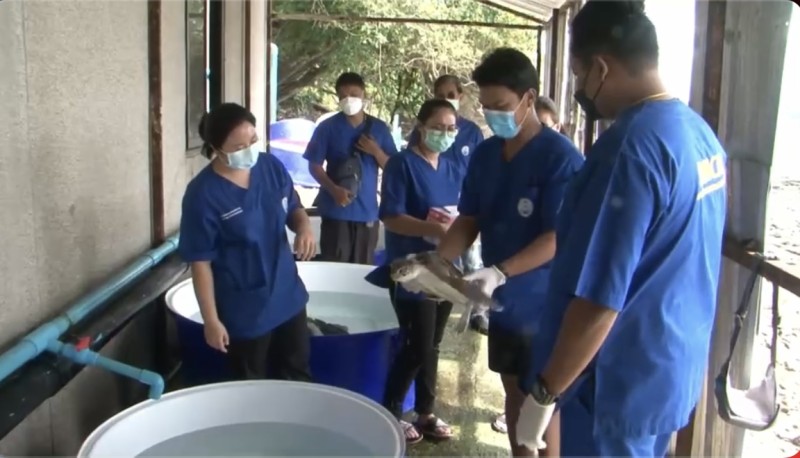
The turtle, weighing three kilograms and 28 centimeters long, was found by a local resident on July 23 and taken to the centre, explained Pathompong Jongjit, a marine biologist at the center, which operates as part of the Phuket Marine Biologicial Center under the Department of Marine and Coastal Resources (DMCR).
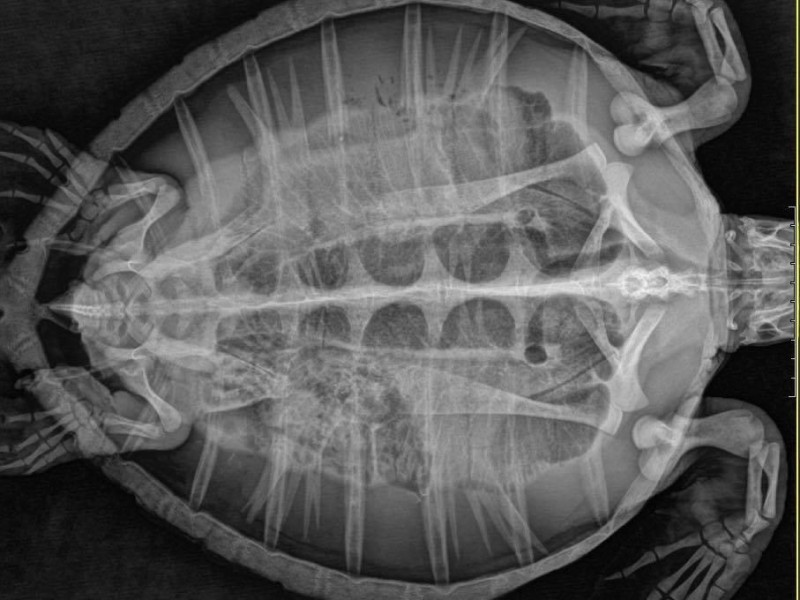
“On that day, it looked exhausted. From x-rays taken we could see that its digestive tract was clogged with trash,” Mr Pathompong told The Phuket News yesterday (Aug 24).
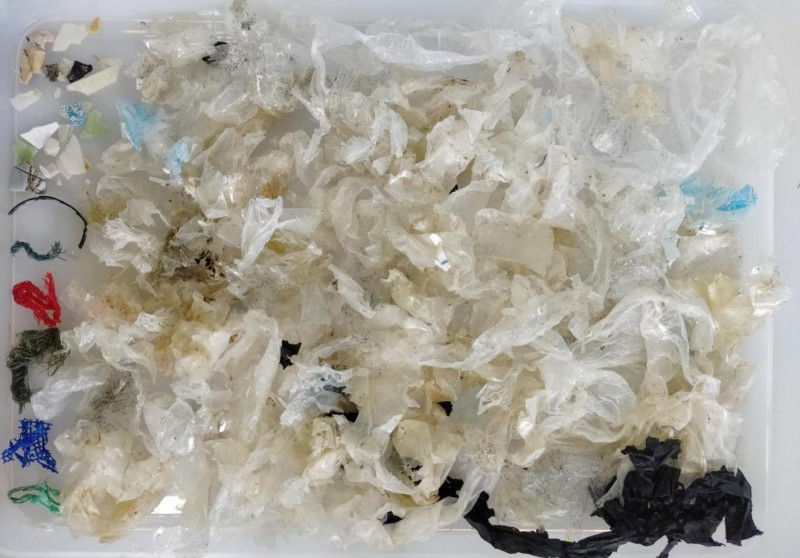
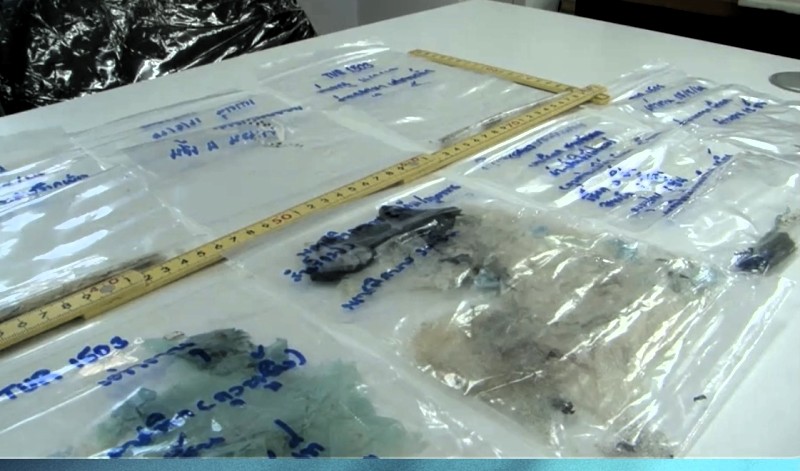
In total, 349 pieces of trash weighing 127 grammes have been recovered from the turtle’s faeces, Mr Pathompong said.
“In six instances the turtle excreted only marine trash,” he said.
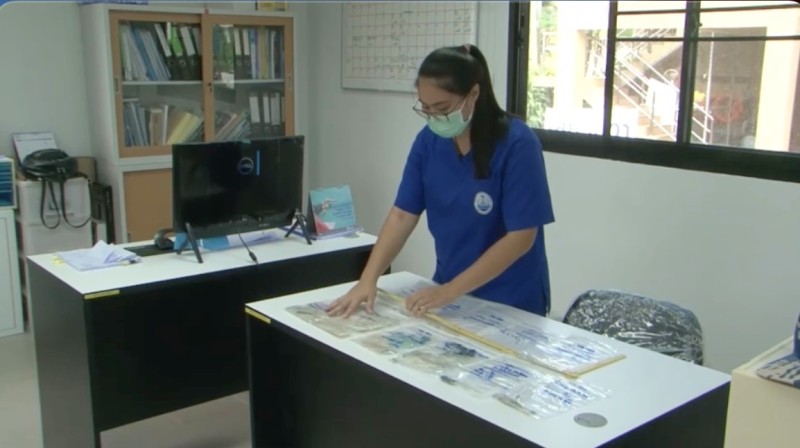
Examination of one instance, last Thursday (Aug 19), saw 191 pieces of trash weighing 67g being identified, Mr Pathompong noted.
“The trash was 49% plastic fibers, 19% soft plastic, 16% hard plastic, 10% from plastic bags, 4% from plastic bottles and 2% sack fibres,” he said.
“The turtle is gradually getting better. The turtle can now eat food by itself, but before this we had to feed it with liquid food by tube to its stomach,” Mr Pathompong noted
“We have also given treatment for wounds it had on its front fins and neck,” he said.
“The turtle is now safe and healthier, but we still need to give it close care,” he added.
“Personally, I feel very down when I see marine animals injured or struggling with trash like this; this should not be a problem that animals are subjected to,” Mr Pathompong said.
“Even though I can help nurse this turtle back to health so it can be released to the sea, it is just treating a symptom of the problem. While the marine trash problem still exists, this turtle will not be the last case,” he said.