


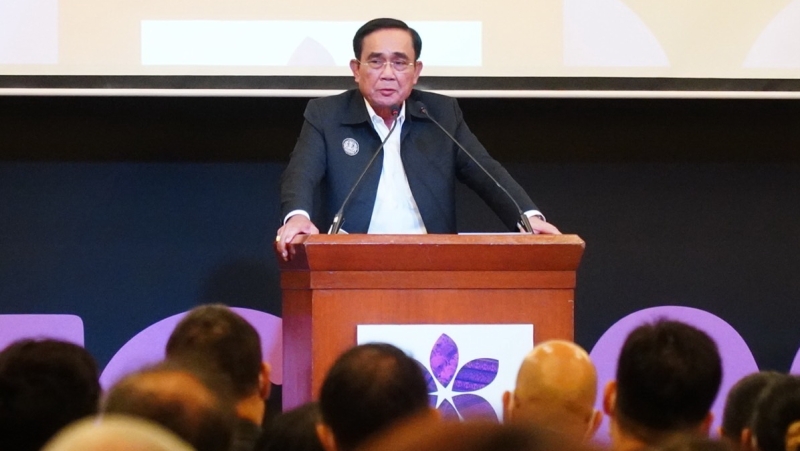
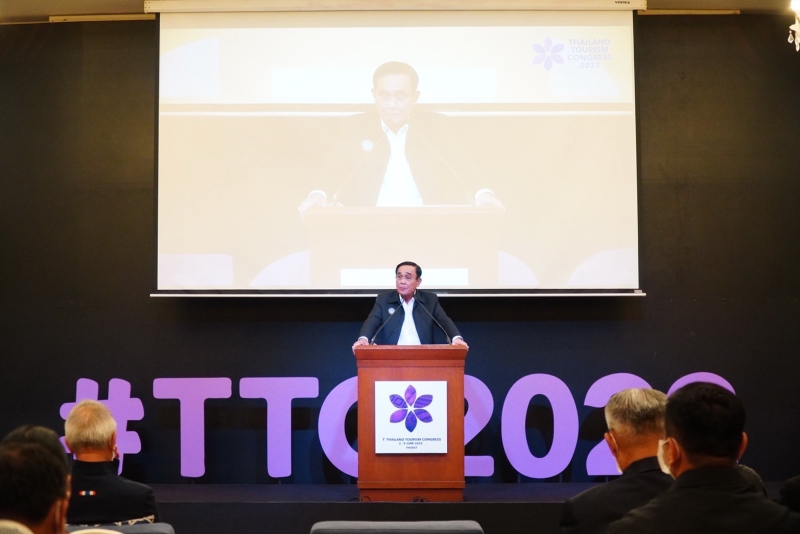
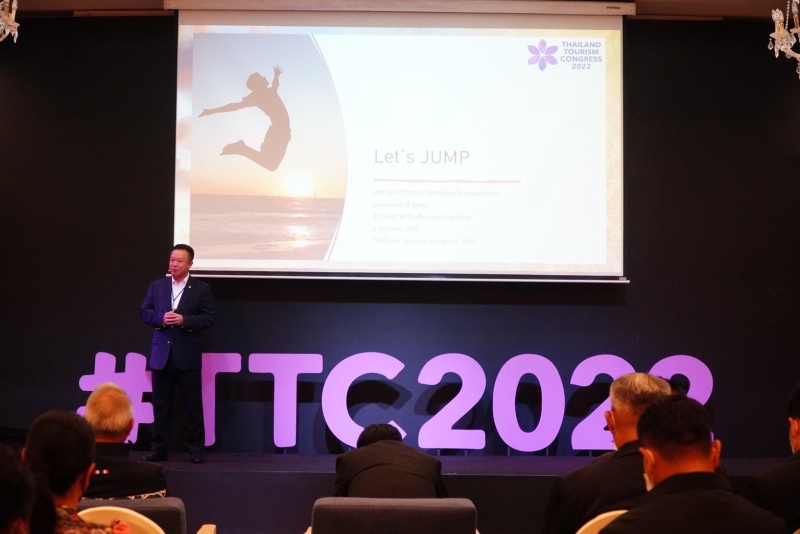
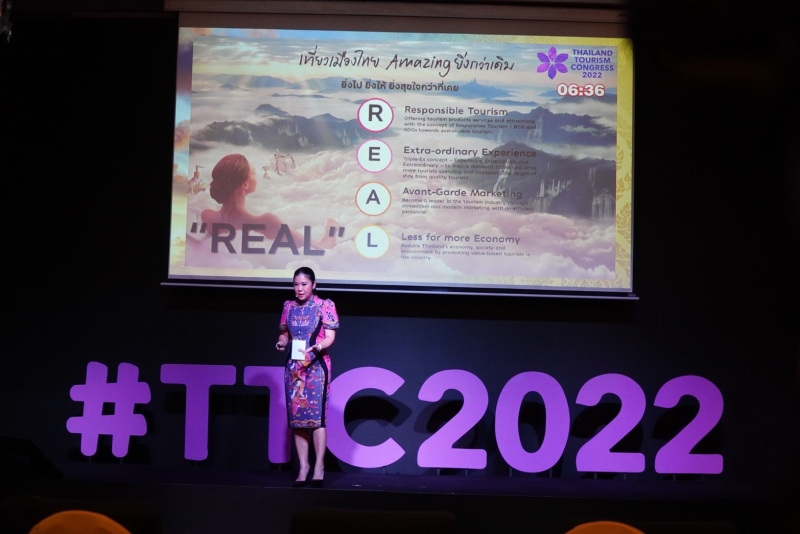
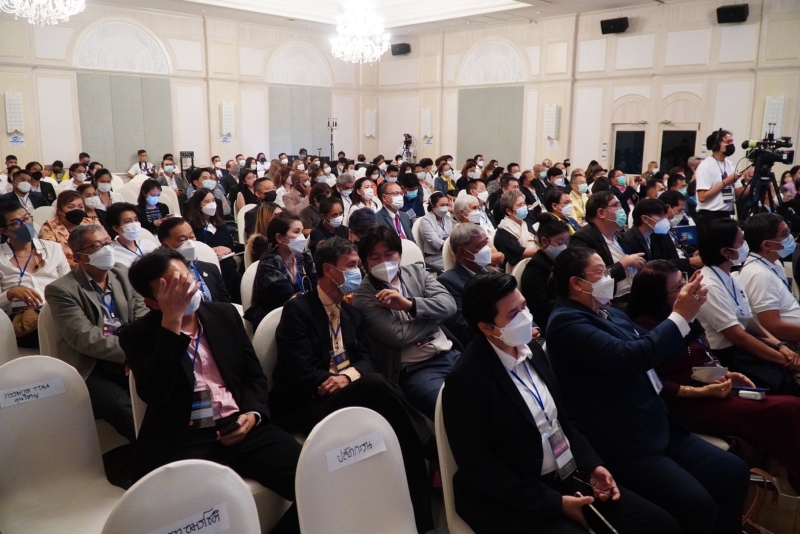
Under a new strategy given the acronym “SMILES” as a brainstorming framework, Thailand is ready to be an important tourism destination of the world in a balanced and sustainable manner, he said during his keynote address at the Thailand Tourism Congress 2022, held at the Beyond Resort Kata.
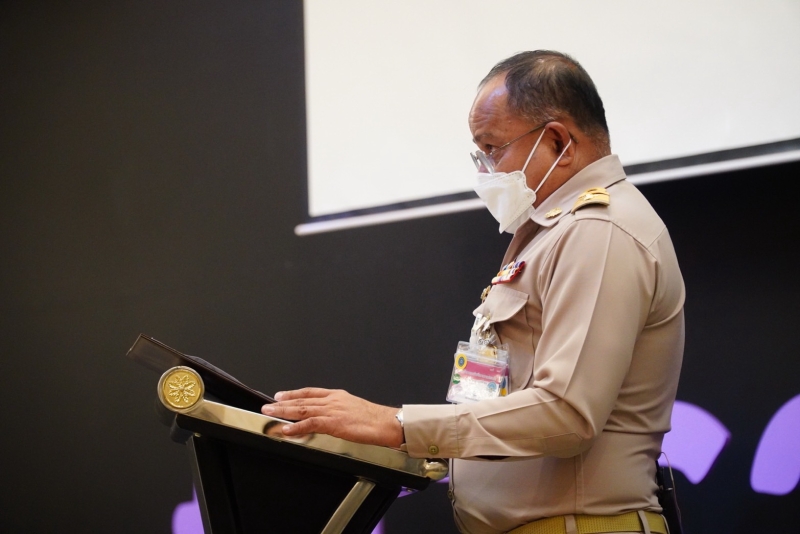
Present to support PM Prayut’s policy announcement were, Tourism and Sports Minister Phiphat Ratchakitprakarn, Minister of Labour Suchart Chomklin and Deputy Education Minister Kanokwan Wilawan, along with tourism business operators and the media.
“Tourism is an industry that does not require large investments, but requires close and understanding care, especially environmental care, which is an important component of Thai tourism,” PM Prayut said.
“The government is ready to support the strategy of quality tourism and pay more attention to the quality of tourists than the number of tourists.
“It also places importance on responsible tourism that values the environment, on cultural values and on the value of being Thai as well,” he said.
“This is something that tourism related parties throughout Thailand must work together to create a strategy, to have a clear and consistent action plan, and the important thing is to be a good role model,” he added.
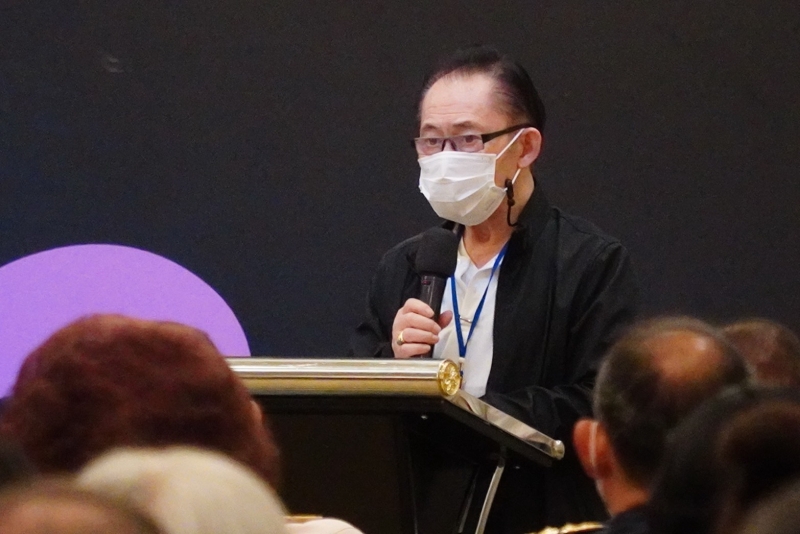
Phuket Governor Narong Woonciew noted, “This is a signal for many countries to be aware of the government’s policy to coexist in balance with COVID. This is to build confidence among people in the countries that are the main customers of Thai tourism, for us to make a strategic move.
“It is also important for building morale among tour operators to collaborate in brainstorming and designing Thai tourism strategies by themselves,” he said.
PM Prayut recognised the hardship suffered by tourism operators over the past two years, but also praised how the private sector had worked with the government in order “to move forward”.
“This is for everyone involved in Thai tourism, but especially for the brothers and sisters of Phuket who have worked together to push the Phuket Sandbox to become a role model for many countries,” he said.
RECOVERY
Phuket’s tourism industry was starting to show signs of recovery, PM Prayut noted. “From the statistics, the number of tourists entering the country has increased gradually and will gradually return to normal. When measures are relaxed, especially the conditions for entering the country that are more convenient for tourists, it will play an important role in enhancing Thailand’s competitiveness in tourism as well,” he said.
Of note, for the first time since the New Year, the number of international arrivals landing at Phuket airport breached 4,000 last Friday, Saturday and Sunday (June 3-5). As this issue went to press, the trend was being maintained.
PM Prayut pointed out that the tourism industry needed to broaden its range of products to appeal to more types of tourists.
“The government is ready to push and find measures to promote tourism. especially new tourism products such as ecotourism community tourism. This will help to distribute income to the community and make tourism more sustainable,” he said.
“However, the form of Thai tourism [domestic tourism] must be adjusted according to the situation. A good tourism industry must be a tool to distribute income to the people, both directly and indirectly. This is an important intent of the government, which is determined to build strength to create and distribute income for the people in the tourism industry,” he added.
NEW ’VUCA’
PM Prayut also presented his “VUCA” model for coping with what he called “the rapidly changing future of world tourism on uncertainty and all kinds of challenges”.
He defined VUCA was defined as: V – Volatile, U – Uncertainty, C – Complexity, A – Ambiguity
“In dealing with a VUCA world it is imperative that all parties come together to design a strategy that is flexible and quickly adaptable, especially the fragile tourism industry, which is very sensitive to changes,” he added.
“Therefore, it is admirable to jointly design a Thai tourism strategy to be able to cope with the changes of the world. The important trends that many countries are paying attention to are the environment, social issues, especially the issue of inequality and good governance in both the public and private sectors.
“If the Thai tourism industry uses these principles as a policy framework in strategic design, Thailand will have a good tourism strategy and will be an important starting point for being a quality tourist destination of the world,” PM Prayut said.
SMILES
In developing tourism strategies, PM Prayut presented his “SMILES” framework, which he described as:
S – Sustainability: focuses on sustainability, from energy consumption to carbon footprint to food waste;
M – Manpower: focuses on human resources in the field of skilled tourism at an international level, but maintaining the “charming Thai identity”;
I – Inclusive Economy: emphasis on creating a participatory economy, focusing on people of all genders, ages, designing tourist attractions to meet all groups of people and create opportunities to work in tourism for the underprivileged;
L – Localization: focusing on local identity in each area to highlight different strengths and string them together to support each other, with a connection between the regions that is compatible and can be coordinated;
E – Ecosystems: focusing on tourism ecosystems, both natural and business ecosystems related to the tourism industry, including reducing regulations and legal processes in order for the tourism industry to be resistant to change; and
S – Social Innovation: placing emphasis on social innovations that will promote and support the tourism industry to be in line with the changing context of various environmental factors, including giving importance to people who care about the planet and the environment.
“The government is ready to support, promote and jointly solve problems by brainstorming ideas and jointly formulating Thai tourism strategies,” PM Prayut assured.
“Today is an important opportunity to jointly define the pathways of the Thai tourism industry ‒ to have a strategy, to be aware of trends and changes in the world in both demand and supply ‒ in order to proudly pass on one of the main industries of the country to the next generation,” he said.
“This is the best time for everyone to come together to shape the future of Thai tourism with the tourists themselves, and the government will accept conclusions or proposals from brainstorming strategies for Thai tourism for consideration and will act immediately on what can be done to jointly drive the country’s tourism industry to move forward. It is an important force in stimulating the country’s economy,” PM Prayut concluded.