



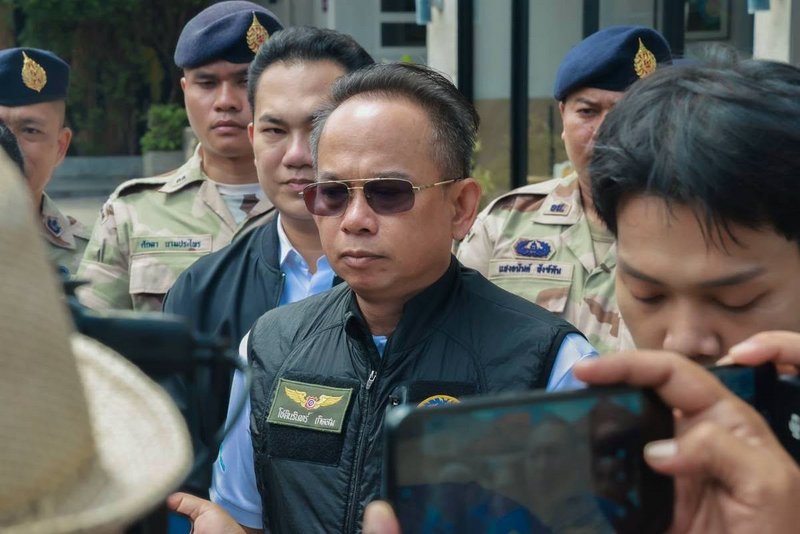

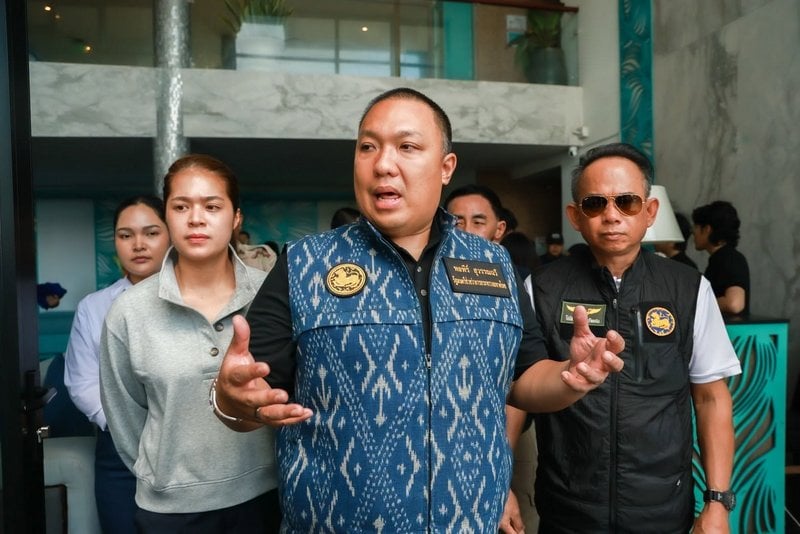
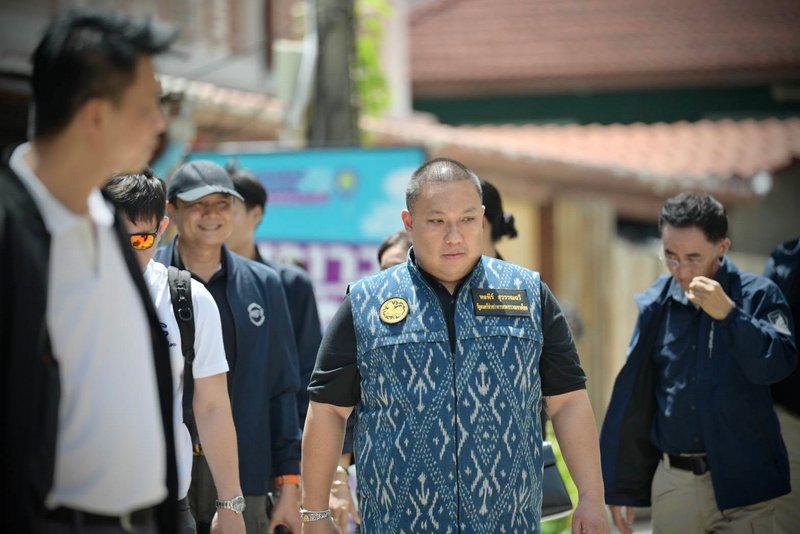
The inspections resulted in legal action against three hotels alleged to be operating without hotel licences and an expansion of investigations into 361 companies suspected of using Thai nominee shareholders to conceal foreign ownership.
However, the enforcement operation came immediately after the Ministry of Interior’s own campaign encouraging unlicensed hotels to enter the legal system, raising fresh questions about the government’s handling of Phuket’s long-running hotel licensing crisis.
Just four days earlier, Polapee announced that the ministry’s ‘Clinic for Giving Advice and Solving Problems’ would remain open until July 10 to give operators more time to submit applications for hotel licences. The programme was established to help businesses navigate licensing requirements and identify legal obstacles preventing them from complying with the law.
At the time, Polapee urged operators to take advantage of what officials described as a final opportunity to legalise their businesses. Yet following the expiry of the extended deadline, the ministry has provided no indication of how many hotels lodged applications during the programme, how many cases remain under consideration, or whether any of the hotels inspected on Saturday had attempted to enter the legal system.
The omission is significant given repeated government acknowledgements that between 3,000 and 4,000 accommodation businesses across Phuket remain unable to obtain hotel licences because of conflicts between building control, town planning, environmental and hotel regulations.
Those regulatory barriers were the reason the ministry launched the consultation clinic in the first place and proposed the ‘Phuket Place-Stay Sandbox’ initiative, intended to create a legal pathway for smaller accommodation providers.
Instead, Saturday’s inspections saw authorities focus on enforcement.
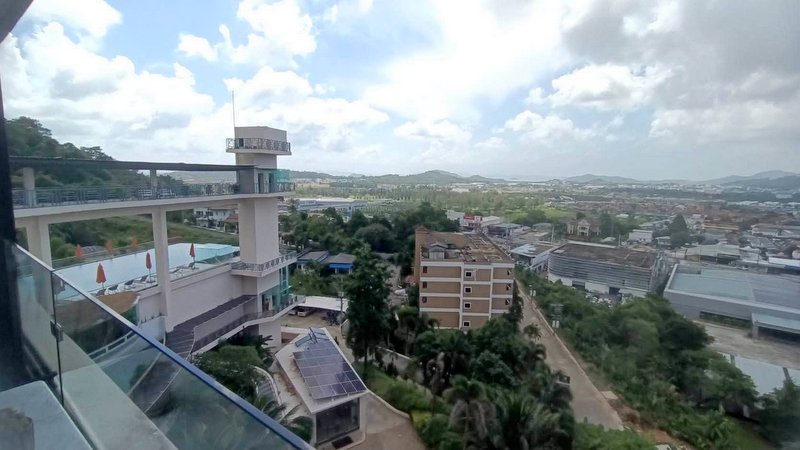
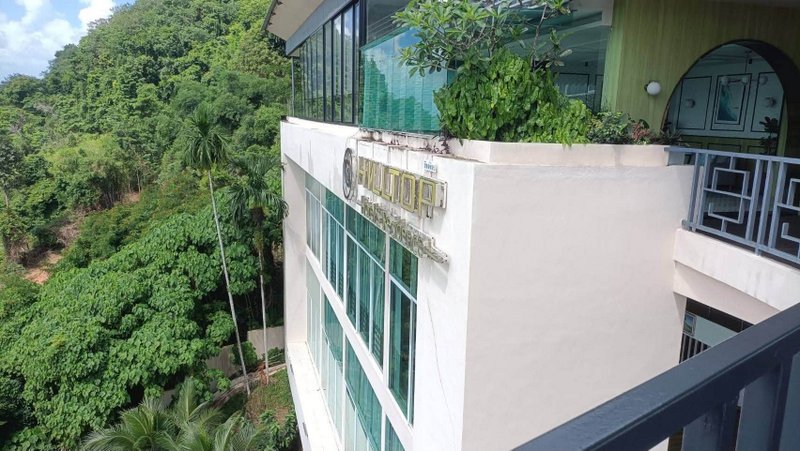
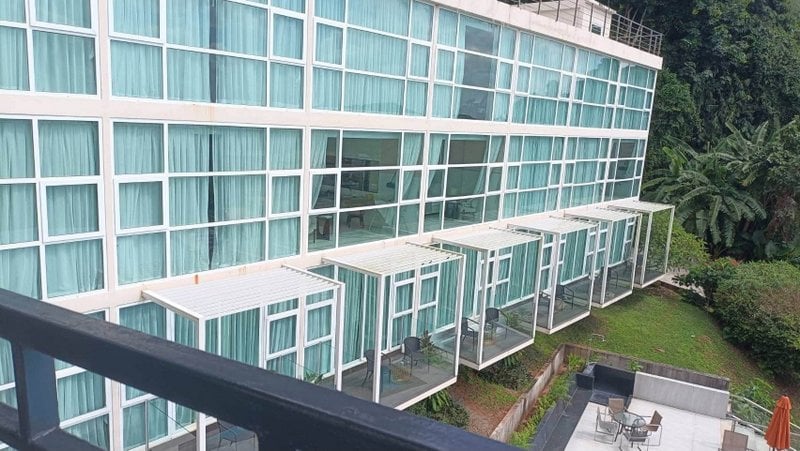
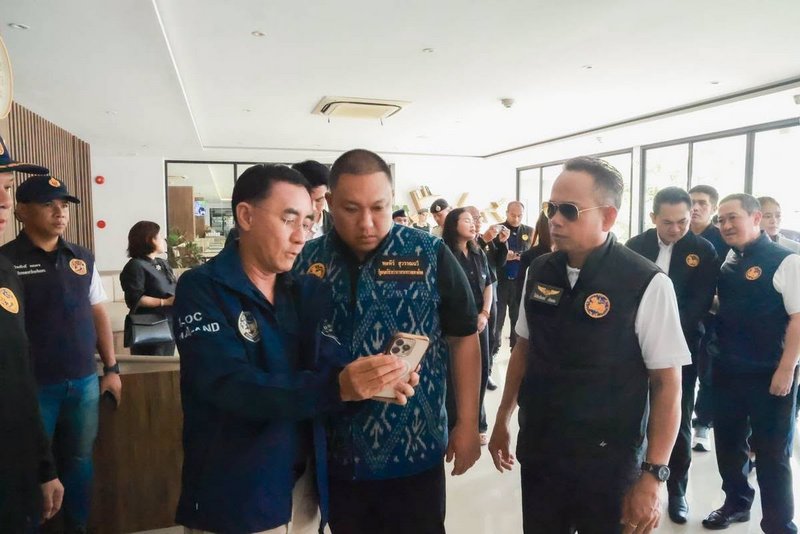
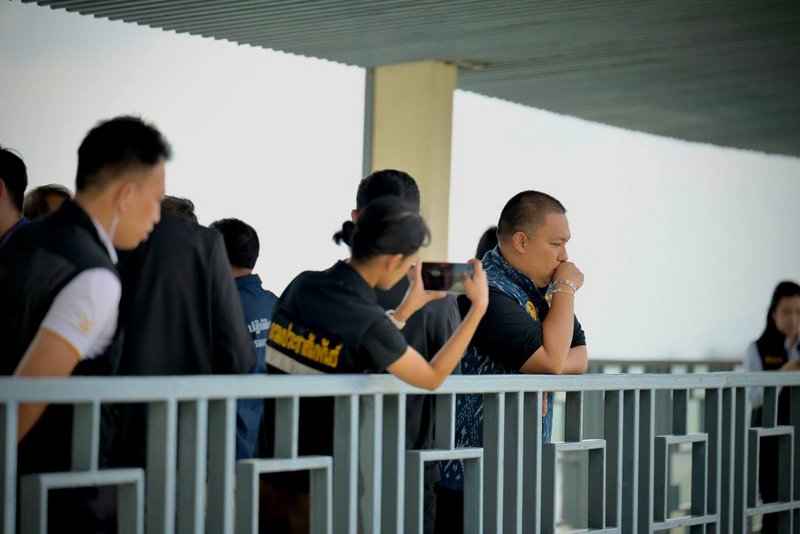
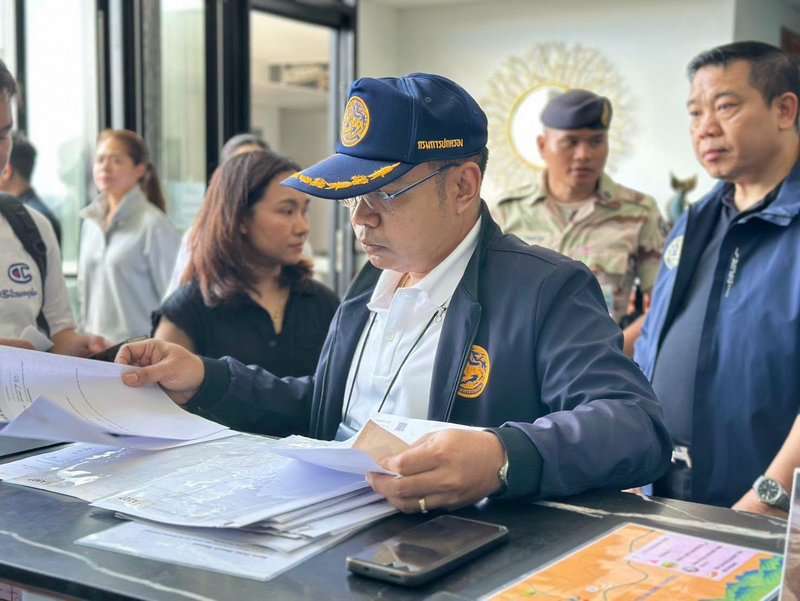
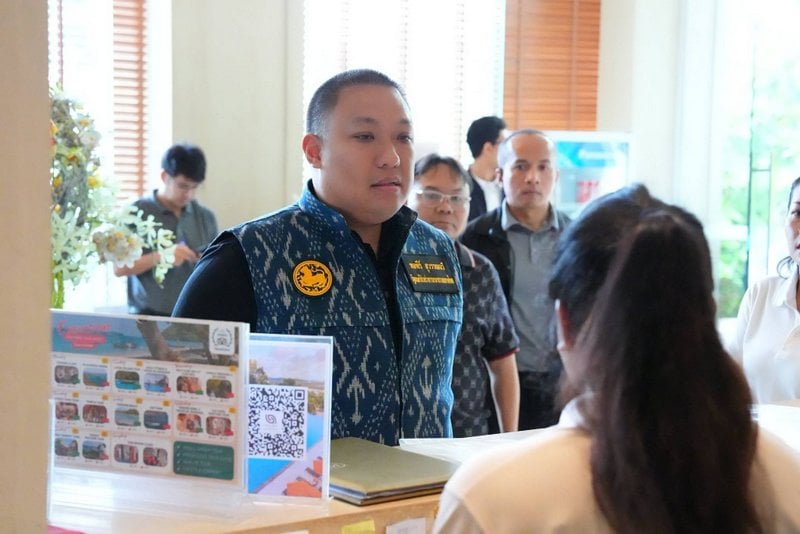
Officials first inspected Hilltop Wellness Resort Phuket in Ratsada after complaints it was operating without a hotel licence. Authorities said the property comprised 42 rooms and a restaurant but had no hotel licence. Only employees were present during the inspection, with the owner and manager absent. The Department of Provincial Administration said it is preparing charges against the company under the Hotel Act.
Inspectors also found a 141-room hotel in Kathu District and a 68-room four-star hotel near Surin Beach operating without hotel licences, according to the ministry.
At all three locations, owners or authorised company representatives were absent. Hotel managers were questioned while investigators gathered evidence for possible legal action against the companies and related individuals.
The inspection team also visited another hotel in Cherng Talay following information from the Ministry of Commerce suggesting it may be using Thai nominee shareholders to conceal foreign ownership beyond legal limits. Investigators said some Thai shareholders were linked to multiple companies, prompting an expanded investigation into ownership structures, funding sources and financial transactions.
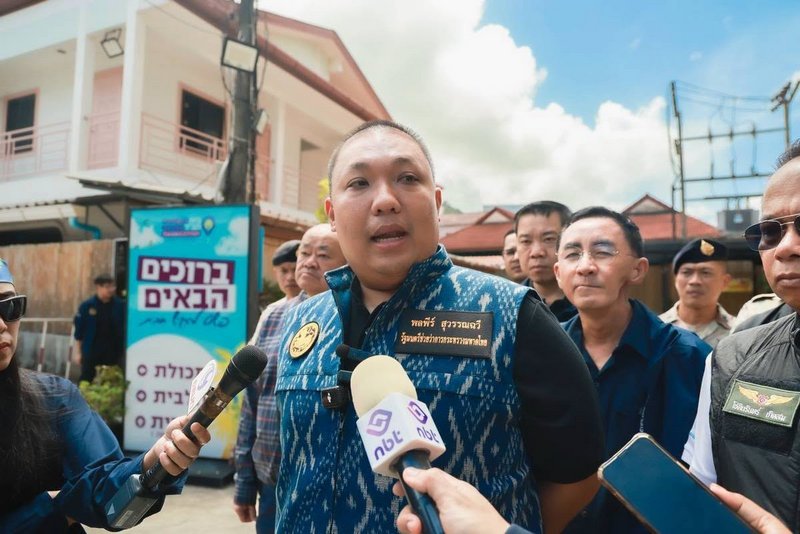
Authorities later inspected Chabad House Thailand in Patong following reports that foreigners were using the premises for accommodation. Officials said the building was operating as a restaurant and Jewish place of worship rather than providing accommodation, but the inspection could not be completed because the person responsible for the premises was absent. Further checks into the property’s approvals, construction permits and ownership have been ordered.
Polapee said the inspections were not directed at any particular business or religion but were intended to ensure compliance with Thai law, particularly in relation to hotel licensing and nominee ownership.
He added that the Ministry of Interior had identified 361 companies suspected of nominee ownership and would continue expanding investigations with the Ministry of Commerce.
Missing from the ministry’s statements, however, was any explanation of how thousands of accommodation businesses have continued operating for years despite longstanding government awareness of the licensing problems, or whether any officials responsible for enforcing hotel laws are themselves being investigated.
Instead, Polapee reiterated that businesses found violating Thai law would face legal action without exception.
“Everyone engaging in business in Thailand must respect and strictly comply with Thai law,” he said.