


The prices of petroleum-derived plastic feedstocks, notably polyethylene, polypropylene and low-density polyethylene, have soared by 30-40%, pressuring the production costs of packaging products, said Mr Veera, reports the Bangkok Post.
These types of plastics are key raw materials in the packaging industry, especially food and beverage packaging such as cling wrap and bottles. Products such as shampoo and shower cream also use plastic packaging.
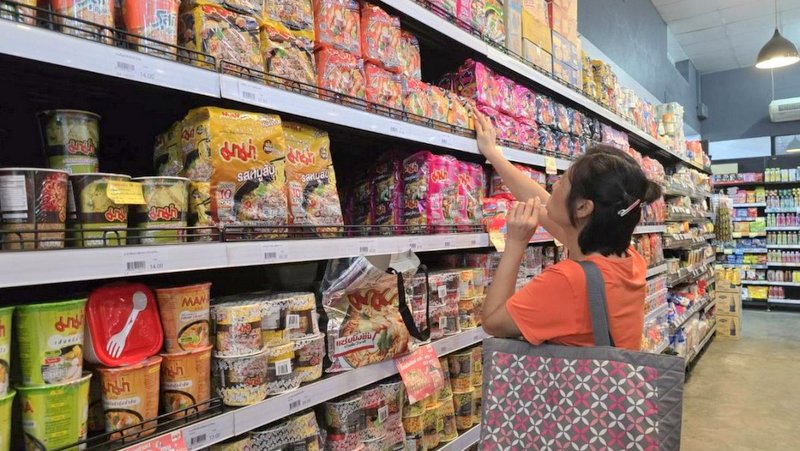
"The manufacturer of Mama instant noodles reduced production partly because packaging materials are becoming scarce," he said.
Consumers who buy products that require plastic packaging will pay more as prices increase as a result of higher raw material costs, said Mr Veera.
In the worst-case scenario, if packaging manufacturers cannot secure plastic feedstocks, the production of consumer products will be severely affected, he said.
Döhler Asia Pacific, a unit of the Germany-based producer of natural ingredients for food and beverages, said the war’s impact has yet to disrupt its sourcing of raw materials in countries.
"We use raw materials from countries where we develop production facilities. In Thailand, we use Thai products and support Thai farmers," said Roman Kupper, president of Döhler Asia Pacific and Döhler Natural Food and Beverage Ingredients (Bangkok).
This helps the company avoid a shortage of raw materials, which is hobbling certain industries such as petrochemicals, he said.
A spike in oil prices drove up logistics costs, but they are still manageable, said Mr Kupper.
The company continues to export products from Thailand and other production bases to 160 countries.
"The food and beverage industry remains mostly normal," he said.