


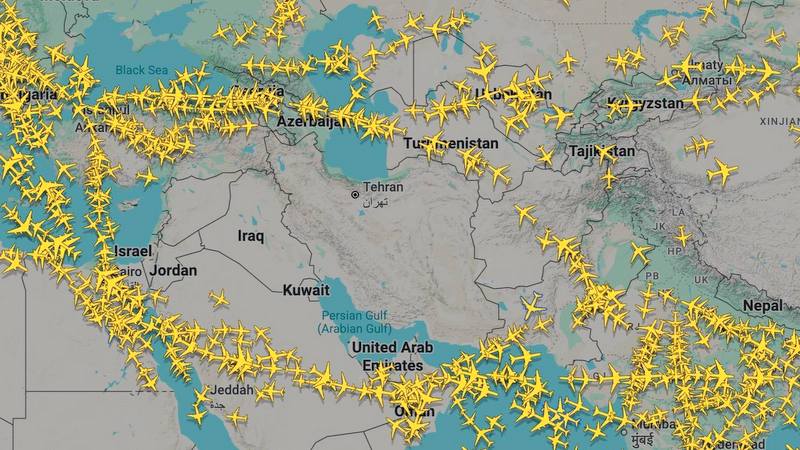

Aeronautical Radio of Thailand (Aerothai) reported yesterday (Mar 18) that airlines, particularly from the Middle East, have cancelled over 1,000 flights to Thailand since Feb 28, accounting for about 3% of total air traffic.
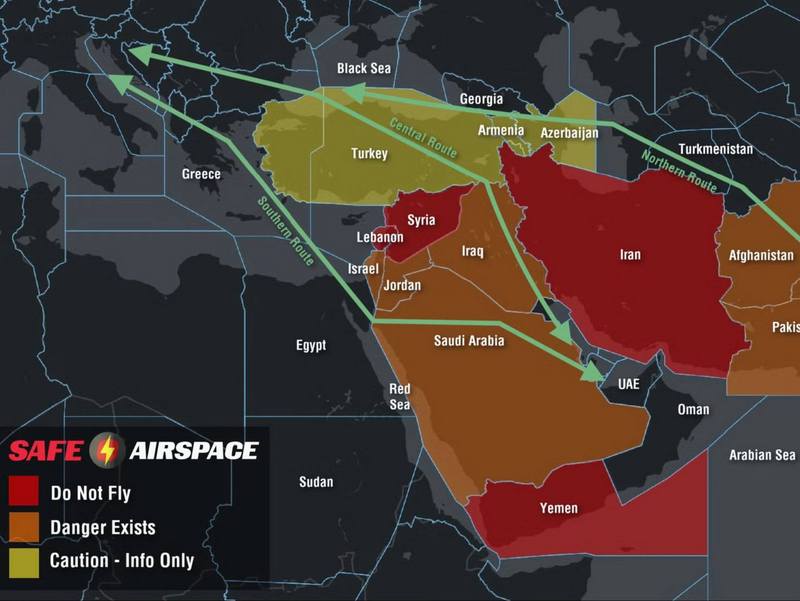
Deputy Managing Director and Acting Managing Director Surachai Nuphrom said the disruptions stem from changes to flight routes between Europe, the Middle East and Asia, as well as broader uncertainty caused by the conflict.
The cancellations have been concentrated at major gateways, with more than 600 flights axed at Suvarnabhumi Airport and over 400 at Phuket International Airport. Other affected airports include Krabi, Chiang Mai and Don Mueang.
Despite the disruption, Aerothai said the overall aviation industry is still expected to grow in 2026, albeit at a slower pace. Flight volumes are projected to increase by no more than 3% compared with 2025, depending on how the situation unfolds.
Mr Surachai noted that rising global oil prices linked to the conflict are also putting pressure on airlines, leading to gradual airfare increases that could affect passenger demand over time.
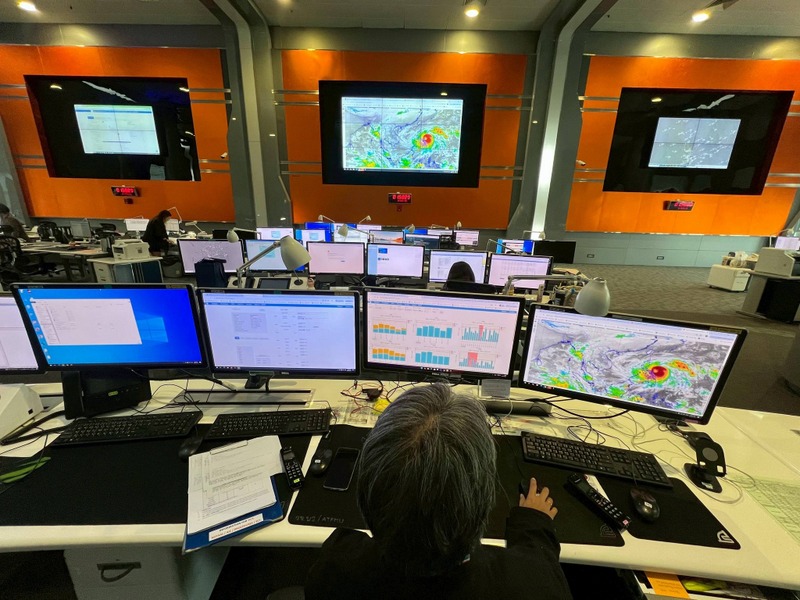
Aerothai said it is closely monitoring developments, including potential airspace closures and rerouting of flights, and is prepared to manage air traffic to accommodate any changes.
Meanwhile, tourism operators in Phuket say the immediate impact on the island remains limited.
Phuket Tourist Association President Thaneth Tantipiriyakit said the private sector has been closely assessing the situation and agrees that, so far, it has not significantly affected overall tourism.
He noted that some impact has been seen among European travellers, a key high-spending segment known for longer stays, but said the numbers remain relatively small.
“While this is an important market, the volume affected has not yet impacted the overall tourism picture,” he said.
However, Thanet warned that prolonged instability could introduce further risks, including higher travel costs driven by energy prices, a potential global economic slowdown, and increased security concerns that may influence travel decisions.
So far, local businesses have not experienced significant cost increases, partly due to government measures aimed at managing energy prices. Operators have also begun adjusting by improving efficiency and controlling expenses to cope with uncertainty.
Industry representatives said Phuket’s diversified tourism base ‒ spanning Europe, Asia and Australia ‒ has helped reduce reliance on any single market, strengthening resilience against external shocks.
Tourism operators are also working with airlines, tour companies and insurers to support travellers and manage any disruptions, including assisting with accommodation if needed.
Mr Thaneth added that Phuket’s experience in handling past crises has helped businesses remain adaptable, stressing that the current situation has yet to dent tourist confidence.
“All sectors continue to monitor and assess the situation to maintain long-term stability in Phuket’s tourism industry,” he said.