


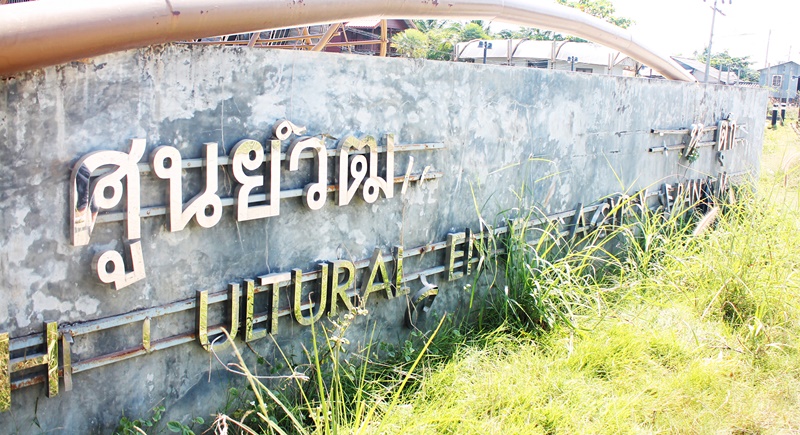
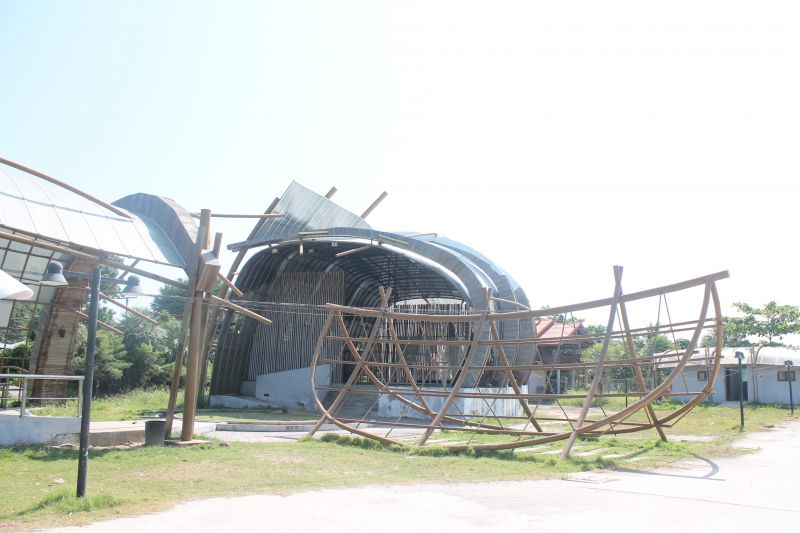
The site of the original museum has slowly turned into a hangout for drug users and has also become a place of choice for a number of the island’s homeless.
“The building which was supposed to be the sea gypsy museum is now ruined. The original project was a waste of money as it was never completed and has never been used,” Rassada Mayor Phudit Raksarat told The Phuket News’ Thai-language sister paper Khao Phuket last week.
“Having now agreed a budget to renovate the site, I can confirm that the new project will been a lot more useful, especially for the sea gypsies themselves,” he said.
“The reason the original building was never used was because it did not match with the sea gypsies’ objectives.
“Furthermore, the original building has got to the state it is in today because the construction materials were not weather durable. The materials used in the construction were never suitable for the project or the area,” he said.
Rassada Municipality poured millions into attempting to keep the structures sound, but the efforts were called into question in 2014, and the upkeep stopped. (See story here.)
“This time around we will use materials that are more durable for the island’s weather conditions,” Mayor Phudit said last week.
“In addition, the latest technology will be used within the museum including videos presenting the sea gypsies’ way of life in four different languages; Thai, English, Chinese and Russian.
“There will also be a fish market where people will be able to buy fresh produce caught straight from the sea by the sea gypsy villagers,” he concluded.
Rassada Chief Administrative Officer (Palad) Daechakanee Leelanon added, “Rassada Municipality has already conducted a study into the new sea gypsies museum at a cost of B450,000 and I can confirm that the existing building will be knocked down and a new one built.
“This new building will be the first part of the project and will cost from B8-10mn and the input of the sea gypsy community will help us with how we decide to design this building.
“Phuket Rajabhat University will also have some input into this,” he said.
“A public hearing for the new museum was held at the end of the 2016 and most of those who attended agreed with our plans.
“Once complete, the new museum will focus on the sea gypsies way of life and their traditions, and will help bring tourism to the area and support the sea gypsy community.
“The museum will also use the latest 4D technology in its displays,” he added.
The site of the museum is on a four-rai plot of land close to the entrance of the Tsunami Village on Koh Siray.