


In Phuket, 122 businesses and individuals have so far registered ivory weighing a total of around two tons, and valued at around B100 million to B140 million.
Others have until the end of today to register their ivory with the Department of Natural Resources, Wild Life and Plant Conservation (DNP) at .
Nipon Chotiban, Director-General of the DNP explained on the department’s website that the registrations are aimed primarily at suppression of the illegal trade in African ivory and bringing Thailand into line with the Convention on International Trade in Endangered Species (Cites).
He warned that if Thailand failed to take effective measures, it risked a boycott on trade in other exotic species that can be legally traded.
“The government is taking effective steps to control ivory possession and trading in Thailand, in line with suggestions from Cites.
“If we cannot succeed in enforcing these measures soon, exports [from Thailand] such as crocodile leather, orchids, chameleons, snakeskin and parrots will probably be boycotted by Cites.”
Such a boycott, he said, could result in trade losses of at least B47 billion.
He explained that the rules for possession and trade in ivory differ depending on the species.
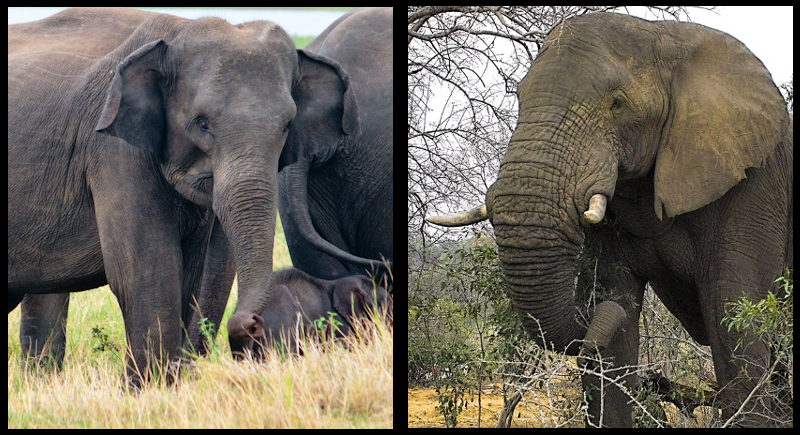
With one exception, possession or trading in ivory from African elephants is forbidden. The same applies to ivory from wild Asian elephants.
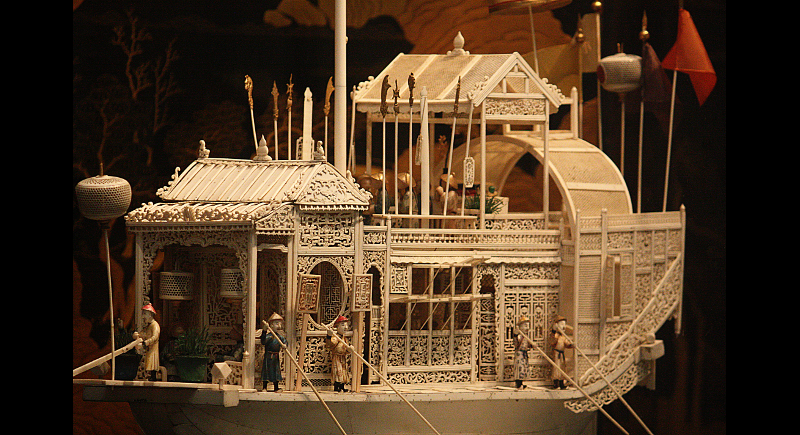
An exception is carvings or other artifacts using such ivory, which may be owned – but not sold – provided that the owner can supply convincing provenance for the artifact.
Possession of Asian elephant ivory, or trading in it, is still allowed – provided that the ivory can be shown to come from domesticated or owned animals. Possession and trade are, however, strictly controlled.
DNA tests are used to distinguish between ivory from the two species of elephant.
Awat Nitikul, Chief of the Khao Phra Thaew Non-Hunting Area Office at Tonsai Waterfall, Thalang, told The Phuket News, “So far, we have received no reports of illegal ivory possession or trading in Phuket.”
However, he added, once today’s deadine expires, “We will start random checks looking for both non-registered ivory and African ivory.”
The penalties are severe. Anyone found in possession of unregistered ivory, of whatever kind, faces a maximum fine of B3 million.
For trading in unregistered ivory without a permit, the maximum fine is double that amount or up to three years in jail, or both.
On the legitimate market, ivory can fetch between B50,000 and B70,000 a kilo.