


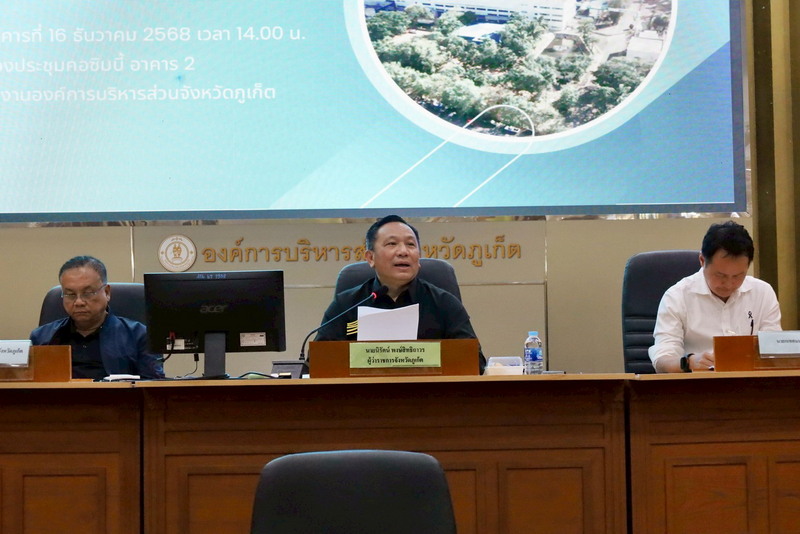
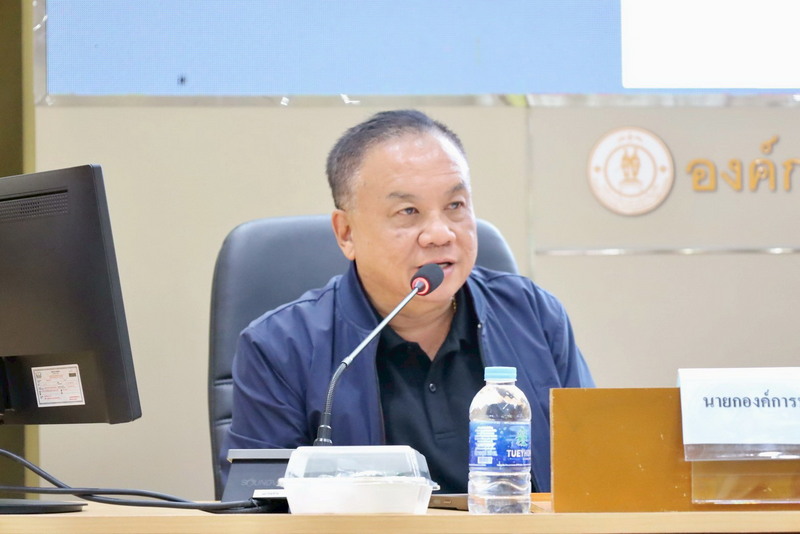
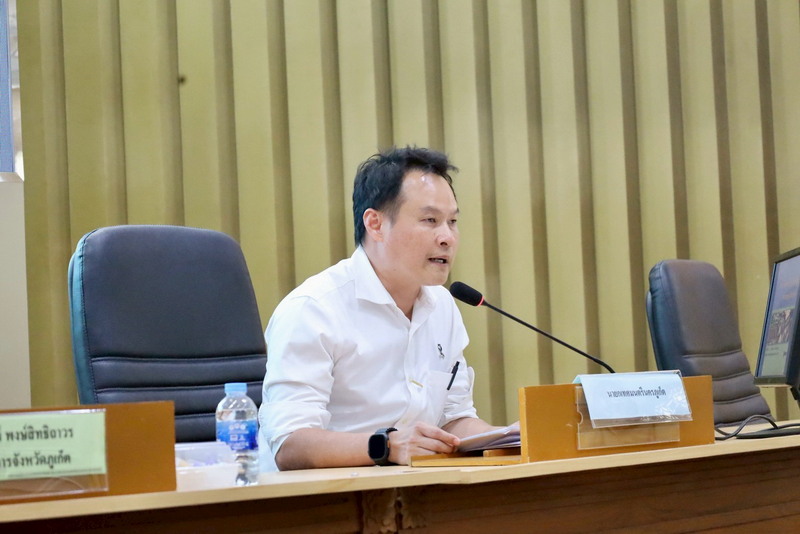
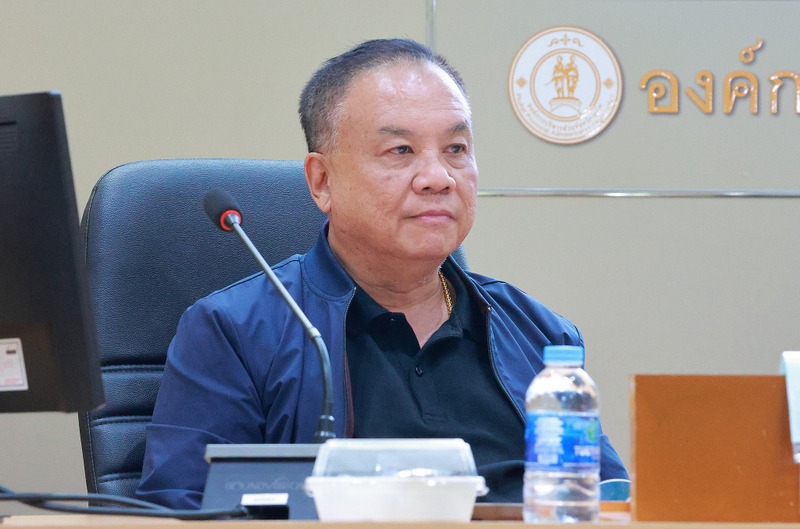
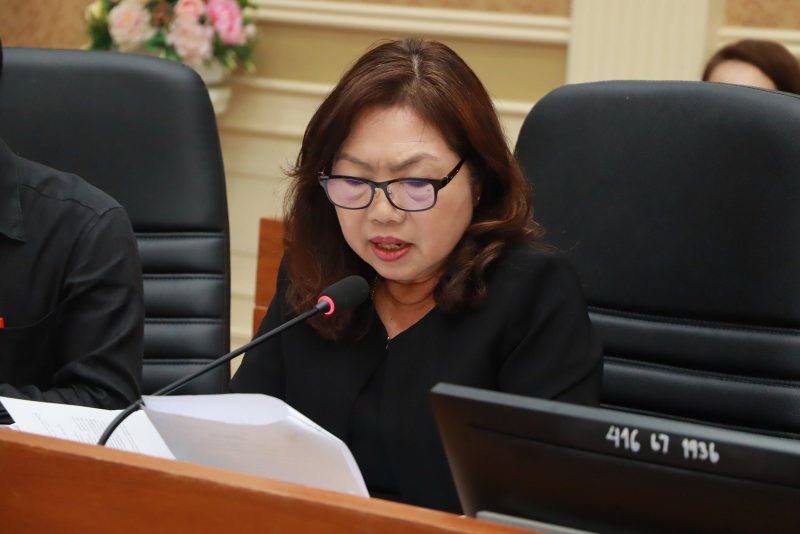
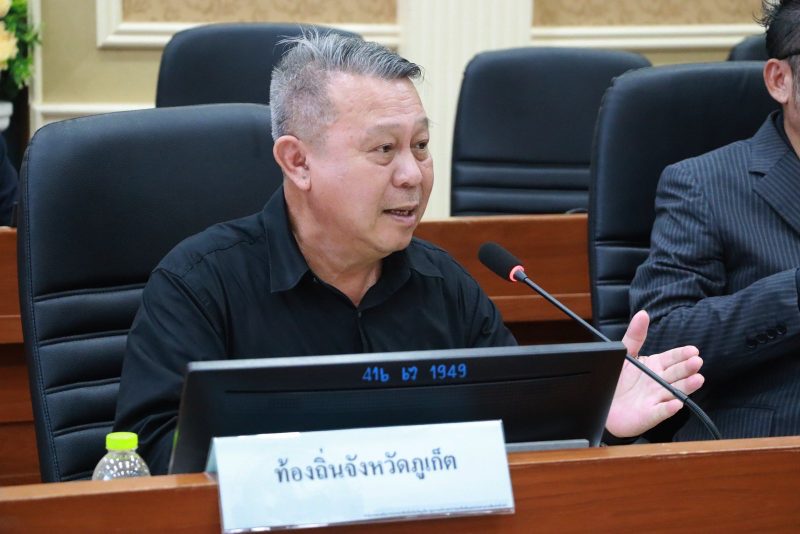
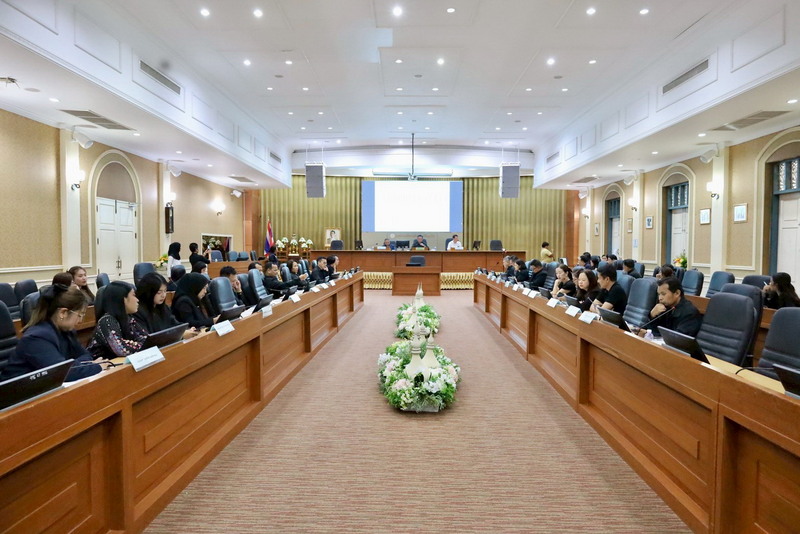
The directive was issued at a provincial waste management meeting chaired by Phuket Governor Nirat Pongsitthaworn at the Phuket Provincial Administrative Organisation (PPAO) office yesterday (Dec 16), following warnings that waste volumes are already exceeding 1,200 tonnes per day and could climb to as much as 1,500 tonnes per day by year’s end.
Governor Nirat said all waste from across Phuket is currently being sent to the Phuket City Municipality-run disposal centre, which is nearing its operational limits due to population growth and increasing tourist numbers.
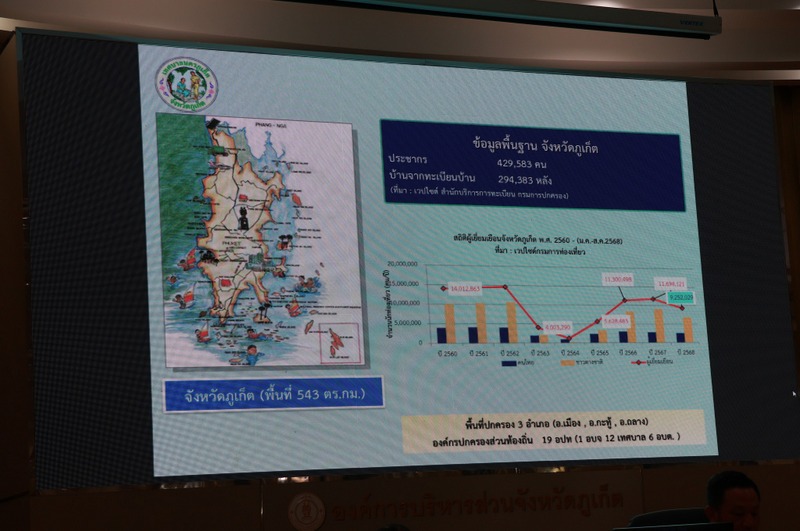
“With a population and residents exceeding 1.2 million people, the volume of waste continues to rise every year,” he said. “If organic waste is properly separated and managed at the source, the amount requiring incineration can be reduced to about 480 tonnes per day.”
Officials were told that organic or “wet” waste accounts for up to 60% of all rubbish generated on the island and must be prioritised for local disposal within each municipality and subdistrict this year, with results to be closely monitored.
The meeting was attended by PPAO President Rewat Areerob, Phuket City Mayor Suppachoke Laongphet, provincial and municipal officials, and representatives from all 18 local administrative organisations in Phuket.
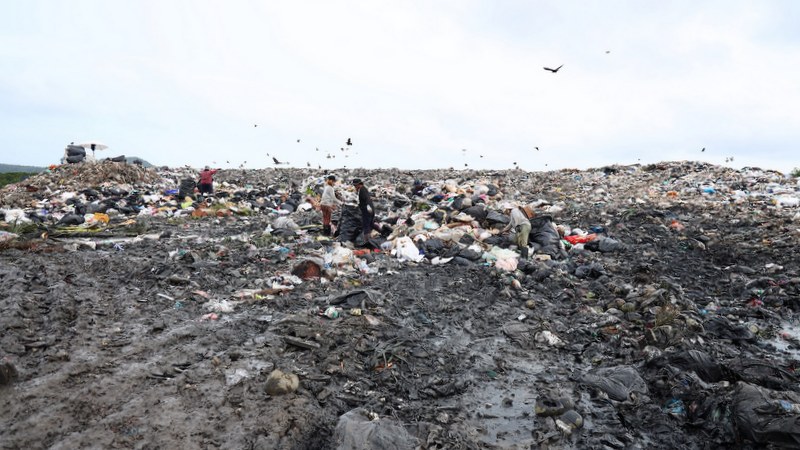
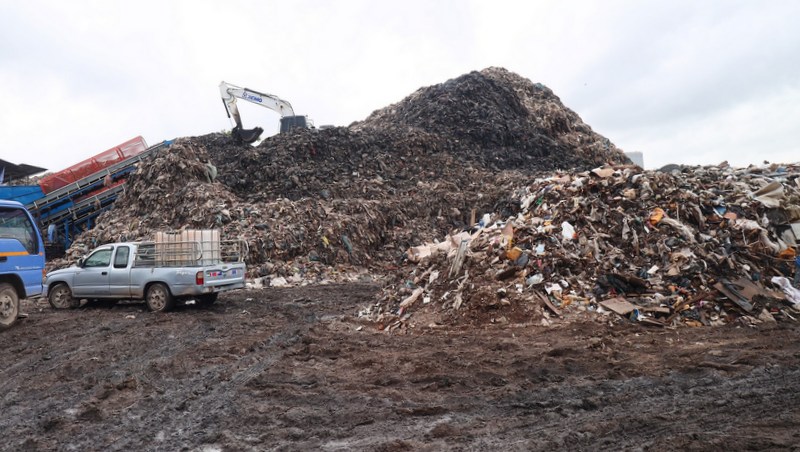
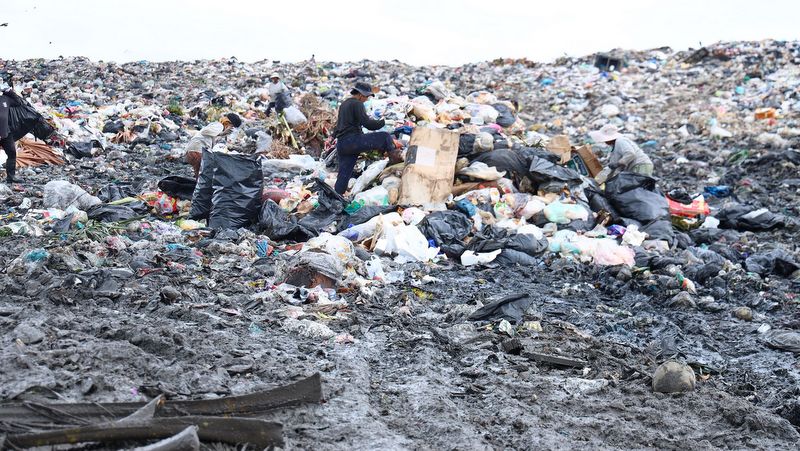
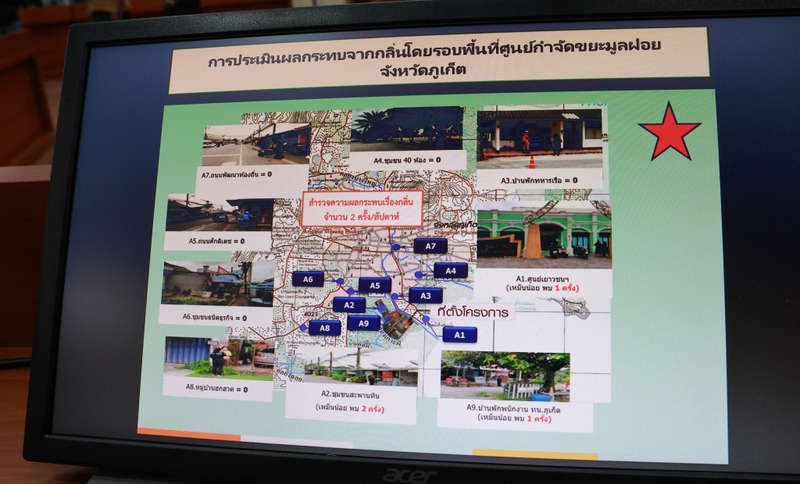
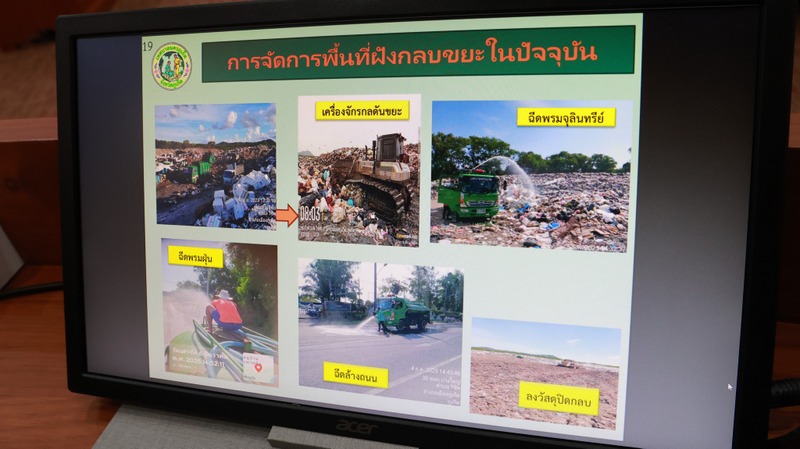
Phuket City Municipality reported that the province’s incinerator can handle only 500 tonnes of waste per day, with excess rubbish sent to landfill areas. Officials estimate that more than 1.2 million tonnes of accumulated waste remain in the main landfill site after decades of operation.
Mayor Suppachoke said the expected increase in organic waste is making disposal increasingly difficult.
“Separating organic waste at the source, particularly dry and wet waste, will help reduce odours, moisture and wastewater, lessen the impact on nearby communities, and reduce the risk of accidents,” he said.
Governor Nirat acknowledged that Phuket City Municipality is bearing the burden of managing waste for the entire province and stressed that all local authorities must share responsibility.
“All local administrative organisations must manage waste within their own areas, especially organic waste,” he said. “This is the fastest and most concrete way to reduce pressure on the provincial disposal centre.”
For the remaining non-hazardous waste, estimated at around 40% of total daily volumes, Phuket City Municipality will continue to manage disposal. However, local authorities were encouraged to consider establishing small-scale waste treatment systems or joint facilities within their areas to reduce long-term reliance on the provincial centre.
As part of longer-term planning, Mr Rewat confirmed that the PPAO is pursuing the development of a second large-scale integrated waste disposal centre to support Phuket’s future growth. The PAO plans to request the use of more than 80 rai of land, with construction estimated to take between two and four years, pending legal and regulatory approvals.
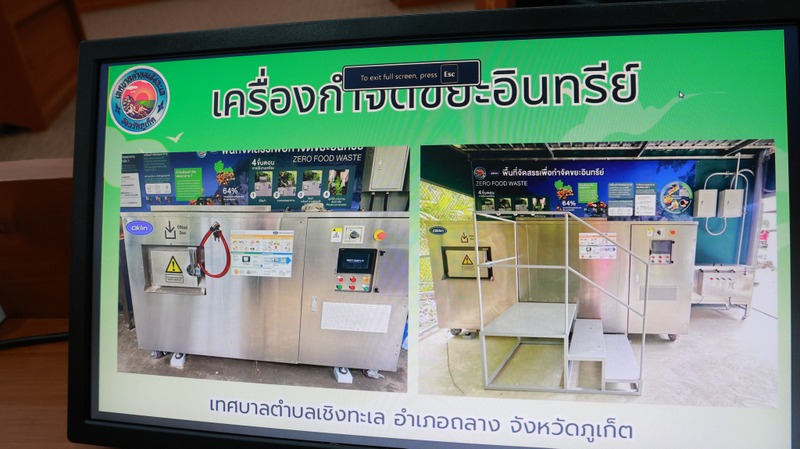
Phuket City officials also reported progress on pilot projects in Cherng Talay and Phuket City to purchase organic waste disposal equipment, allowing wet waste to be treated locally rather than transported for incineration or landfill.
The meeting further endorsed stricter waste separation at the source, the processing of organic waste into compost, bio-fermented liquid or animal feed, and closer cooperation with hotels, businesses, shops and households to prevent organic waste from being mixed with general rubbish.
Authorities also agreed to promote community-level waste banks, environmental volunteer programmes and small-scale innovative waste technologies, including temporary sorting and storage areas, to reduce the amount of waste entering the provincial system.
Progress review meetings will be held every three months in each locality.
Provincial officials said the measures form part of a broader strategy to manage waste systematically from source to final disposal, reduce environmental impacts and support Phuket’s long-term sustainability as a major tourist destination.