


The fight by residents in Soi Pasak 6, Bang Tao, does not stand alone. Many other areas are facing the same problem, especially now that the prospect of tourists returning in numbers is becoming an increasing reality.
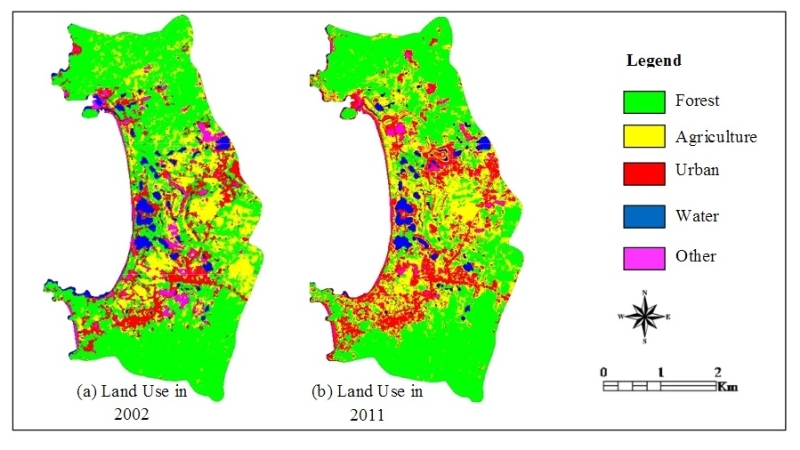
A study of land use by a research team at the Prince of Songkla University (PSU) identified that Phuket lost 10.051 square kilometres of forest conservation areas and 15.598 square kilometres of rural and agricultural areas to residential development in four short years from 2005 to 2009. How much more in green areas were lost during the years of skyrocketing tourism from 2015 to 2019 is anyone’s guess.
Many would blame Thailand’s zoning regulations, or lack of, for the mess. Despite what many expats might believe, Thailand actually does have zoning regulations, and it is not the lack of enforcement of the zoning regulations that has allowed the cancerous sprawl to continue – it is the fact that the zoning regulations themselves allow such piecemeal development with local officials having no legal mechanism to deny construction approval.
This was finally recognised and introduction of an Environmental Impact Assessment (EIA) required for each major project was hoped to address the issue. Yet, nearly as always with bureaucracy in Thailand, the regulation of EIAs themselves has been found lacking.
The copy of the questionnaire sent to local residents in the Soi Pasak 6 area in Bang Tao was an odd animal indeed. While 22 pages long, the questionnaire asked local residents their ages, occupations and preexisting medical conditions, how they disposed of waste and wastewater and even if any children living in the house attended a local school.
The document did not explain why this information was relevant when the EIA was supposed to be addressing the potential impact of the construction project on the local residents and the local environment. It is not supposed to be focussing on the local residents already living in the area. The document read more like a cross between a marketing research survey and a medical insurance application form whereby information could be solicited in the hope of denying a claim later.
Such a lax in controls opens the door to entire communities to be under threat from commercial or even industrial development, to the point that an international school on the east coast is fighting to prevent a slaughterhouse being allowed to open within 400 metres of the school’s grounds. It also undermines Phuket’s ability to lure buyers of high-end properties costing tens of millions of baht each when there is no guarantee of what may be built in the immediate vicinity just a handful of years later.
One land-use research team from PSU Phuket campus warned a decade ago, “The development of tourism is a key driving force of a rapid land use and land cover changes in Phuket. Weak policy enforcement was marked in this study, pointing out an inconsistency between practical land uses in 2009 and the purposes of land uses set by the Phuket Island Town Planning Policy in 2005.
“Ongoing expansions of urban lands without serious control and enforced regulation may have brought undesirable impacts on natural disasters and biodiversity losses. A strong and effective collaborative between locals, private business sectors and government authorities is required to ensure sustainable tourism development coupled with environmental protection,” the research team added.
More recently, Phattanan Pisutwimol, as President of the Phuket Real Estate Association (P-REA), in 2020 warned of poor controls on development when SorPorKor land use was deregulated to allow commercial developments.
“If we’re not careful other buildings such as shopping malls or other types of buildings might be allowed, and this new construction, if it is not considered well, will affect the environment and forest areas in Phuket,” Mr Phattanan said.
“These new rules are supposed to protect Phuket’s main source of income, but instead they may jeopardise it,” he added.
The message was clear: if you allow Phuket’s green areas to be killed, you threaten Phuket’s tourism industry and Phuket’s property industry. When you have property developers themselves calling for restraint in further development, the alarm bell is well and truly ringing.