


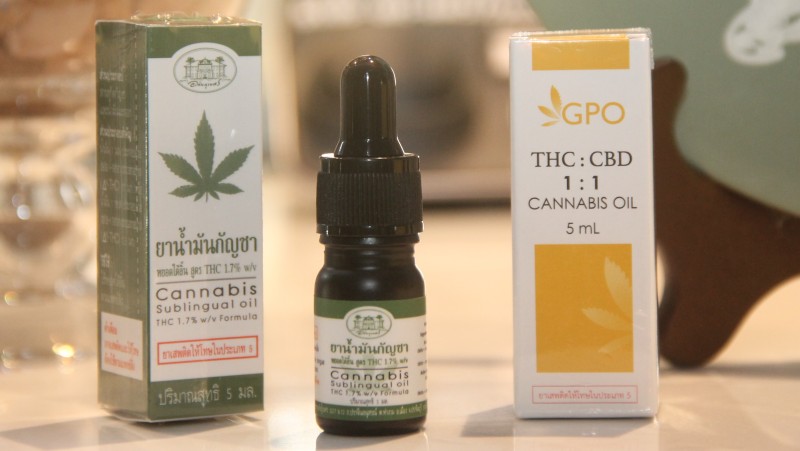
The small number of patients who have received medical marijuana treatments via the clinic also does not support any claims that the treatments are not worthwhile. As Dr Thanit Sermkaew, Chief of the Phuket Provincial Public Health Office (PPHO), himself plainly admitted, just having the treatments available gives patients who have found mainstream pharmaceutical treatments ineffective another option.
The small number of patients also dismisses any very ill-founded fears among anti-marijuana scaremongers that everyday users would rush to take advantage of the medicines to feed any habits. A stupid claim, but one that has been bandied about for years nonetheless.
The real trick will be in regulating the local farmers growing marijuana for producing medical treatments, and it is easy to understand – though not necessarily agree with – the authorities’ concerns here. In a country where enforcing any regulations seems to be difficult, legally allowing regulated production of marijuana for one use but not allowing it general use will be nigh impossible. Also, it is most likely that the main issue will not be with the recreational users, but more so with the fortune and power to be acquired by the suppliers – though that issue would simply disappear by making recreational use legal.
Right now, the great leap forward lies in opening up an entirely new industry, one that supplements the tourism industry by allowing an even broader range of treatments for the much-touted medical tourism push and one that plainly can help broaden the island’s economic base beyond tourism. If medical marijuana is not available in a potential patient’s home country, they can come here and try it to see if it works for them.
The PPHO has already held several seminars to educate local residents interested in entering the industry as legally registered suppliers. Among the topics taught have been the different types of plants to be grown and how to process the raw plants into producing the extracts required at quality enough to be used for producing medicines. This is an excellent move, and also opens to the door to serious investment by operators overseas already well-experienced in producing medical marijuana products.
It will be interesting to see if the same attitude will be taken with kratom, which is expected to be decriminalised in its raw form early next year. Kratom has long been treated by officials as a serious narcotic despite in its raw form being nothing more than a mild stimulant – no more than betel.
The best we can tell the only real difference between kratom and betel is that betel chewing is still touted as a long-standing tradition and a historical core feature of Thai culture as it was a popular practice among Thais north of Bangkok, while kratom chewing was an everyday practice among people throughout the South, where kratom trees grow wild and naturally.
Regardless, once decriminalised, mighty kratom trees might soon again be seen as key features among our landscape. Their beauty once graced the wide streets in the government quarter in Phuket Town, but during a purge were cut down simply for the sake of following orders.
As with medical marijuana, the problem with kratom is not the plant, it’s what people do with it, and that is finally being understood and steps are moving in the right direction.