


If approved, the move will empower the DMCR to seal off reefs to prevent tourists and tour operators from causing further damage.
The news comes after researchers confirmed that over-tourism has reduced the number of corals to just 25% of what was at the busy day-trip destination 10 years ago.
DMCR Director-General Suthilak Rawiwan confirmed to The Phuket News last Friday (Mar 24) that she will appeal to Cabinet within weeks to invoke Section 22 of the Marine and Coastal Resources Management Promotion Act B.E. 2558.
A Section 22 appeal will empower the DMCR to take drastic measures to preserve what remains of the reefs at Coral Island, known in Thai as Koh Hae. Any persons found guilty of breach of Section 22 will face up to two years in jail, a fine of up to B200,000, or both.
“Koh Hae has already been badly affected by tourism and it is now getting worse. In fact, the problems at Koh Hae are now at a critical level,” Ms Suthilak said.
“The DMCR now has a plan to use the Marine and Coastal Resources Management Promotion Act to control tourism in the area and reduce any further risk of damage to the marine environment,” she added.
Watcharin Thintalang, Director of the DMCR Phuket office, said the move to protect the corals at Koh Hae has been a long time coming.
“I initially wanted to use Section 17 to protect the reefs around Koh Hae, and held a public meeting in December to explain this to local residents as well as tour companies, tour guides, local vendors and longtail boatmen,” he said.
Mr Watcharin compared the move to protect reefs at Koh Hae with the measures taken at Koh Maithon, just a handful of kilometres away.
“I don’t want Coral Island to be like Koh Maithon, which was very popular for the tourism industry – until the corals there suffered damage. Those reefs are now closed to visitors to allow the marine life in the area to regenerate,” he explained.
To be included in the appeal to Cabinet will be reports from Dr Nalinee Thantham, the lead researcher at the Phuket Marine Biological Centre division dedicated to studying corals along the Andaman coast.
“The reefs at Coral Island have suffered damage from the tourism industry since at least 2007,” Dr Nalinee said.
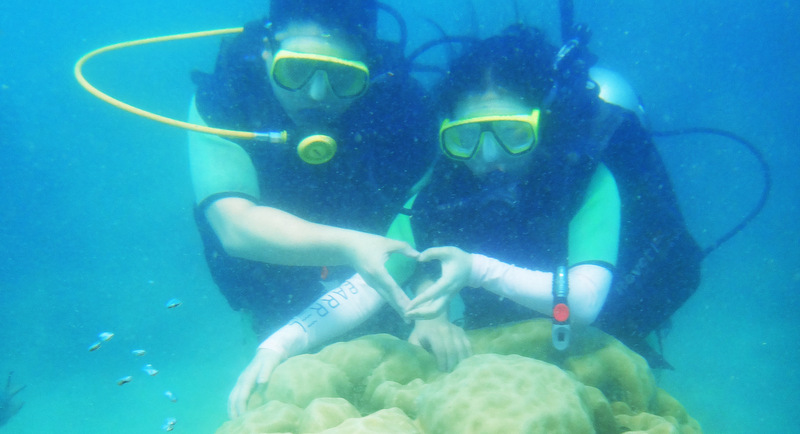
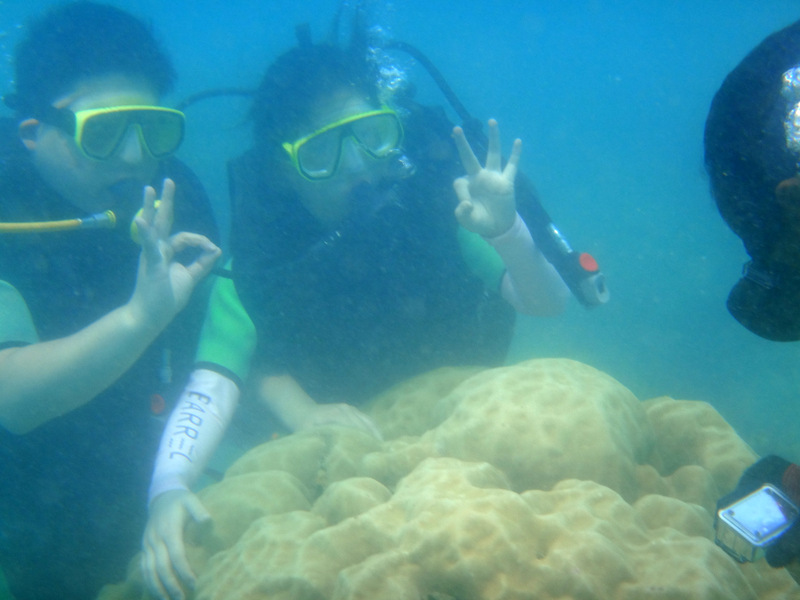
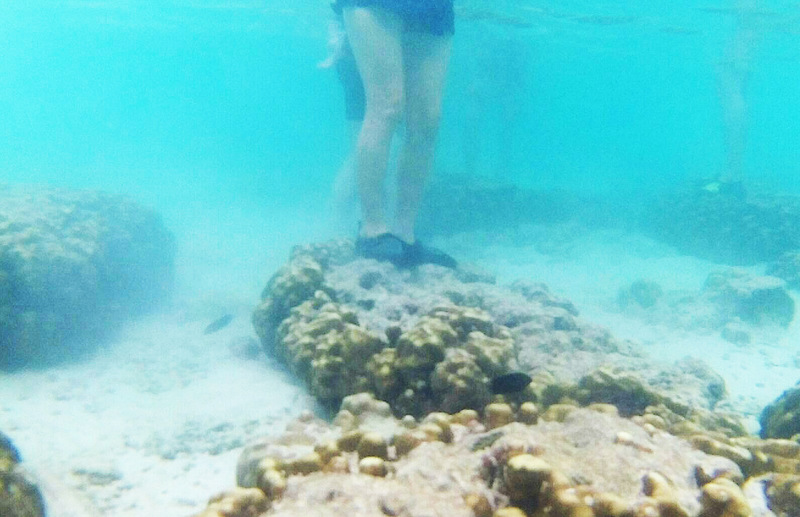
“We keep records of coral environments along the entire Andaman coast, and Coral Island has suffered a lot of damage, especially the reefs in Kluay Nay and Yai Bay, which are popular tourist sites. Human activities there cause damage through anchors being dropped on the reefs, ‘try dives’ (with tourists walking on corals) and waste dumped into the sea.
“Last year our research confirmed that only 25% of the original 0.44 square kilometres of reefs measured about 10 years ago are still alive,” Dr Nalinee explained.
“Coral Island used to be the centre of marine life in the area with 20 to 30 types of corals, but now there are only four types of corals left. The reefs at Coral Island need to be protected,” she insisted.
Mr Watcharin noted that several bureaucratic hurdles had yet to be cleared, but still expected the reef-protection measures to begin in April.
“After Cabinet approves the move, we need to send detailed maps and descriptions of the protection measures to the Phuket Provincial Committee,” he said.
“The restrictions to be discussed will include limiting the number of visitors to Coral Island as well as zones where try dives and ‘sea walk’ tours are banned,” he said.
“After the Phuket Provincial Committee process has been completed, the proposal must be supported with an official order from Bangkok, then we can start deploying buoys to protect the area,” he added.