


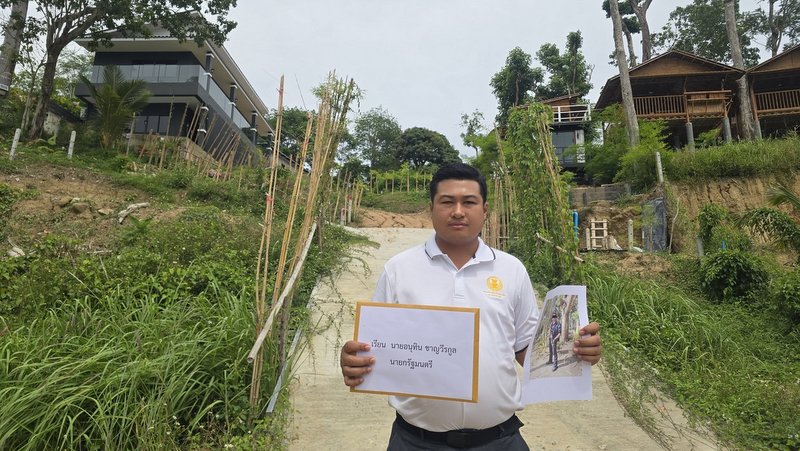


The criticism came only hours after Mr Anutin declared during a high-profile visit to Bang Tao Beach that there would be “no mafia” and “no influential figures” operating in Phuket.
Mr Chalermpong said he had prepared documents and evidence relating to alleged corruption, beach-access disputes, intimidation and land conflicts connected to Freedom Beach and other disputed coastal areas, but was left questioning why the Prime Minister failed to proceed with the scheduled inspection.
In a strongly worded statement released after the cancellation, the opposition MP suggested the sudden change had damaged public confidence and raised doubts over whether the government was prepared to confront influential interests linked to Phuket’s lucrative beachfront land.
“The people of Phuket were waiting for answers,” Mr Chalermpong said. “They wanted to know whether the Prime Minister would truly confront the problems or avoid them.”
The Freedom Beach visit had been publicly announced in advance as part of the Prime Minister’s Phuket itinerary.
The beach has become one of the island’s most controversial land disputes, involving allegations of forest encroachment, disputed public access routes, collection of fees from visitors and claims of intimidation against residents and complainants.
The issue has intensified in recent months amid broader investigations into alleged illegal occupation of public land and beachfront areas across Phuket.
Mr Chalermpong said local residents and activists had hoped the Prime Minister’s personal visit would force authorities to confront longstanding complaints involving influential figures and questionable land use.
Instead, the inspection was cancelled shortly before it was due to begin.
Officials later said Mr Anutin had travelled urgently to Ranong to attend a security-related operation involving suspected tax-evading goods worth more than B50 million.
The explanation did little to silence criticism online, where speculation spread rapidly over the reasons behind the cancellation.
Mr Chalermpong said he respected the Prime Minister’s authority and security responsibilities, but argued that the Freedom Beach issue had already become a matter of national concern because of allegations involving corruption, intimidation and public access to state land.
“The issue is no longer just about Phuket,” he said. “It is about whether the law applies equally to everyone.”
The MP also referred to death threats connected to the disputes, saying complainants deserved protection rather than fear.
During his earlier inspection at Bang Tao Beach, Mr Anutin himself acknowledged receiving reports that residents had been intimidated.
“I am here today because I have received complaints that citizens are being threatened,” the Prime Minister said during the visit.
Anutin also vowed that authorities would not tolerate influential figures, declaring: “There must be no influential figures or mafia.”
Those comments quickly became one of the defining messages of the Prime Minister’s Phuket visit.
However, critics argued that cancelling the Freedom Beach inspection risked undermining the government’s anti-mafia message.
Mr Chalermpong said the public expected action rather than symbolic visits or political statements.
“If there are powerful people violating the law, then the government must show it is prepared to act,” he said.
The MP added that residents were increasingly concerned that some public beach areas were effectively being controlled by private interests while ordinary citizens faced obstacles accessing land legally belonging to the state.