


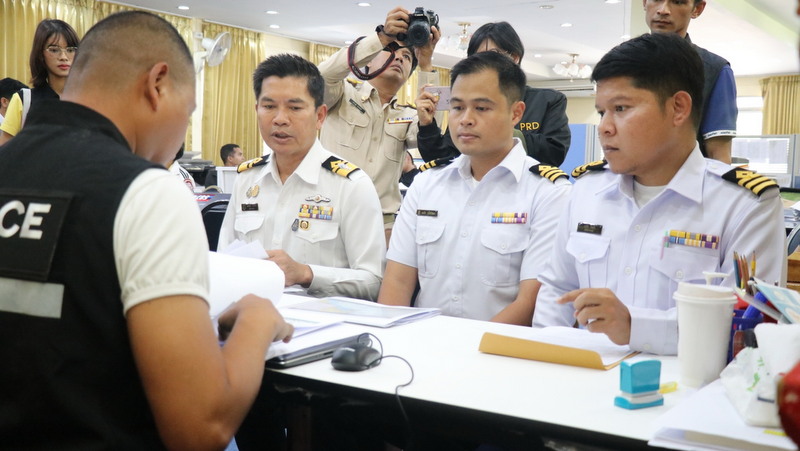
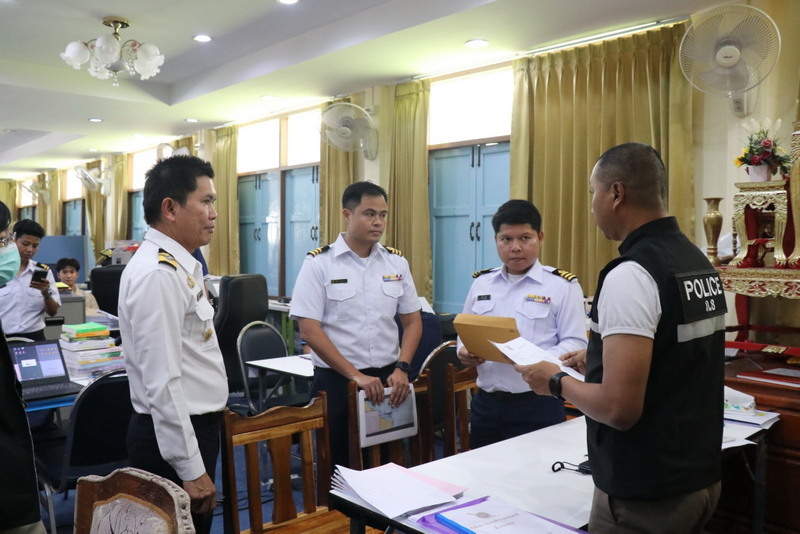
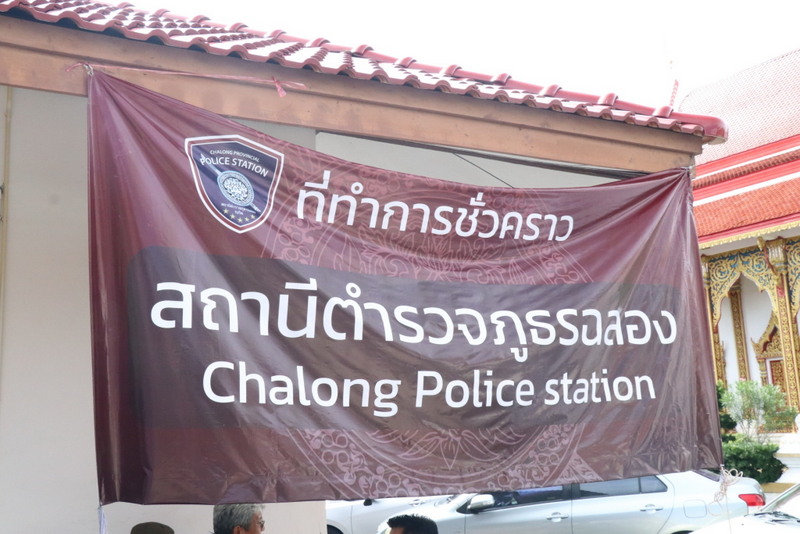
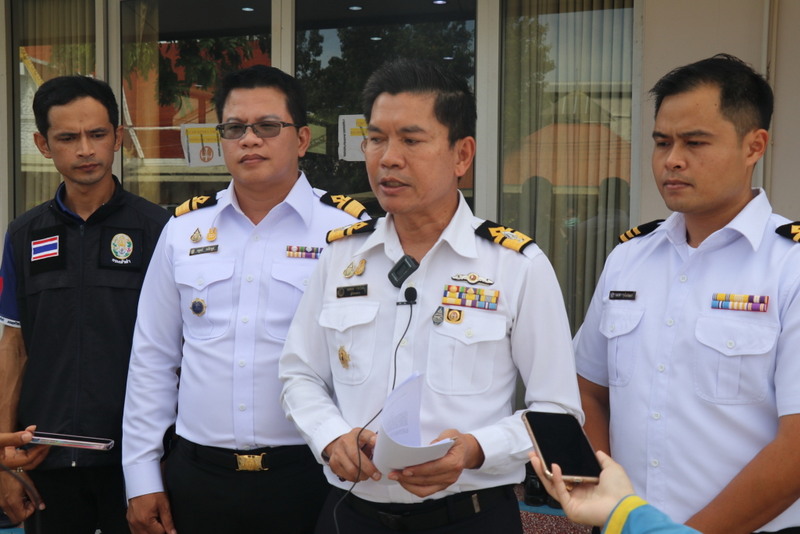

Mr Nachaphong explained that the damage done included the harm done to sea animals, the water and the beaches affected, which included the beaches in all three districts along the west coast.
Under Section 119 of the Navigation in Thai Waters Act, people causing such damage were liable to up to three years in prison or a fine of up to B60,000, or both.
“And they must pay for the expenses incurred in cleaning up the toxic substances and compensation for those damages as well,” Mr Nachaphong said.
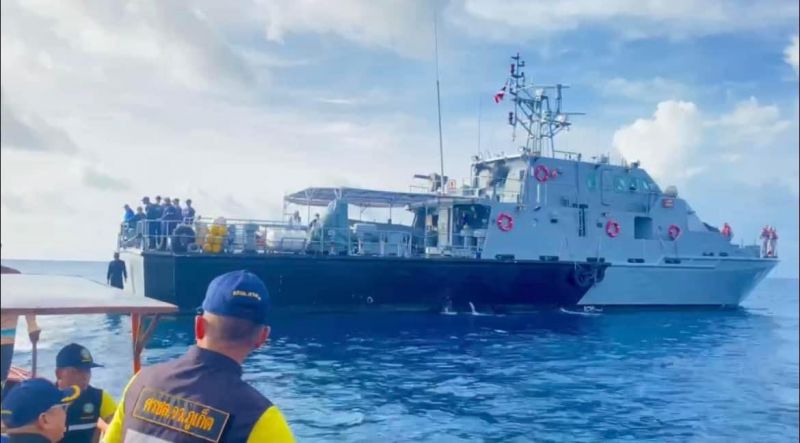
The Phuket Regional Marine Office together with officers from the Andaman Maritime Safety and Traffic Control Center (CSCA) checked for likely offenders through the Vessel Traffic Services (VTS) system monitored at the centre, which can monitor vessels up to 95 nautical miles from Phuket’s west coast, Mr Nachaphong explained.
From July 26 to Aug 3, a total of 81 vessels passed through the area, comprising 62 merchant ships, 18 tanker ships and one tug supply ship, Mr Nachaphong said.
Helicopters from the Royal Thai Navy Third Area Command, based at Cape Panwa, had carried out aerial surveys along the coast of Phuket, and found no further oil slicks on the water,
If the weather continued as expected, the oil that plagued Phuket’s beaches for nearly a week was “expected to be gone within one to two days”, he said.
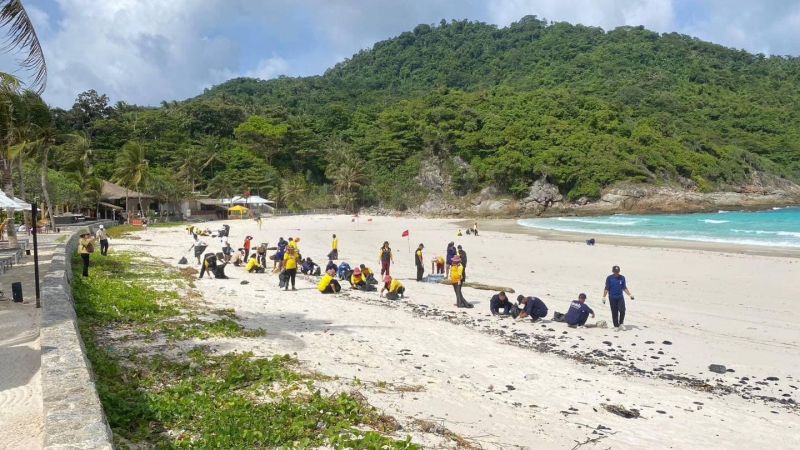
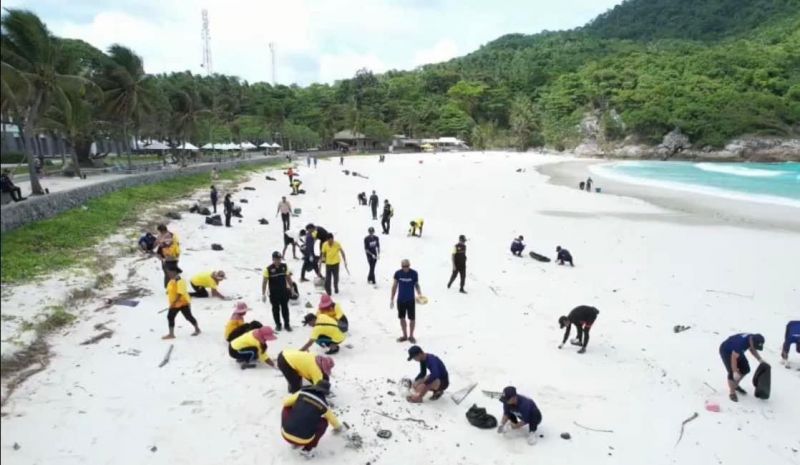
Meanwhile, cleanups have continued along the west coast, he added.
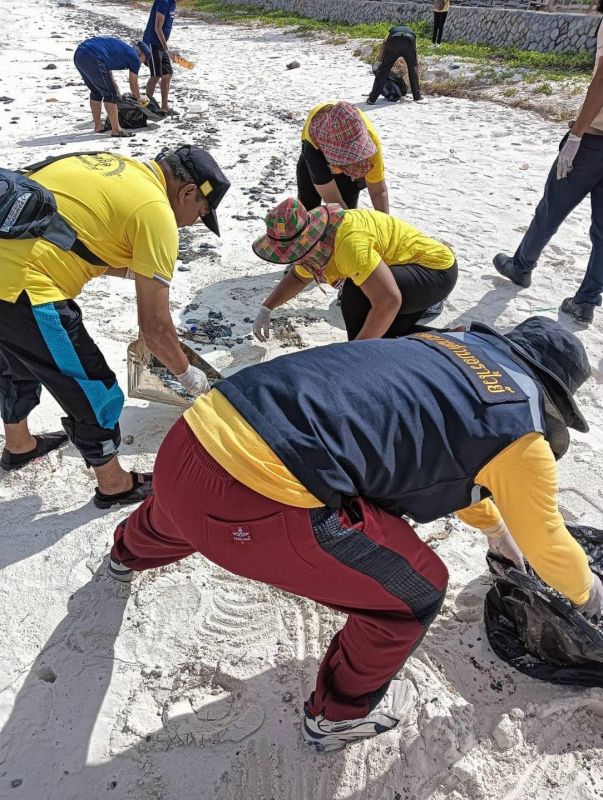
“Officers at Sirinat National Park have joined with many parties, including volunteers and local government organisations in the area, to accelerate the cleaning and removal of oil patches and debris stained with oil from the area as soon as possible,” Mr Nachapong said.
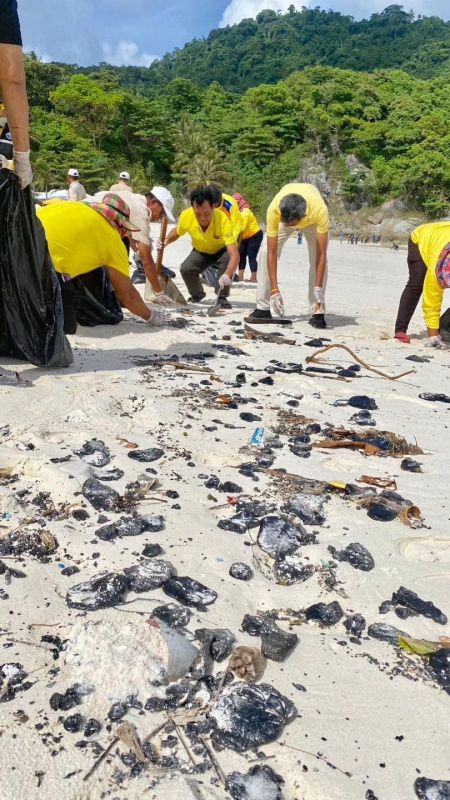
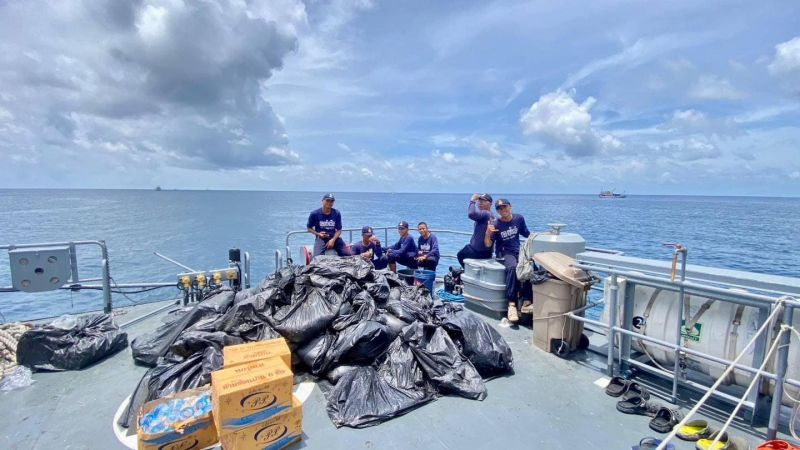
At Koh Racha Yai, south of Phuket, a cleanup effort led by local Navy personnel on Monday cleared some two tonnes of oil-marred sand and oil-stained debris from the island.
Despite the mass cleanups held over past days, tourists and beachgoers are still reporting oil residue still in the sand covering the hands and feet.