


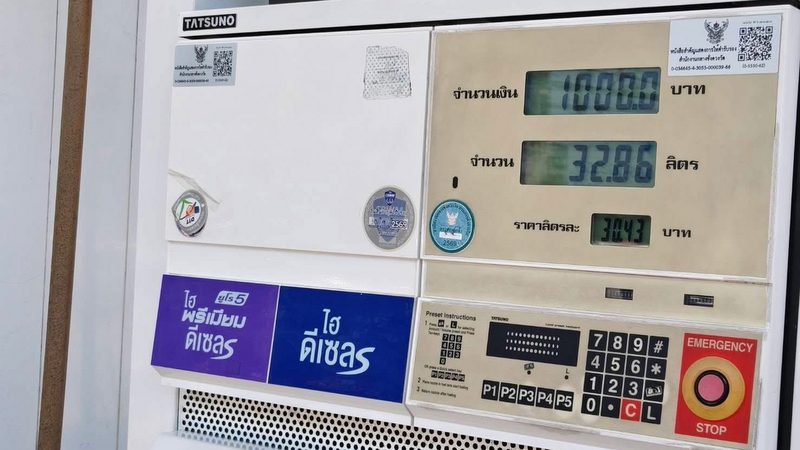
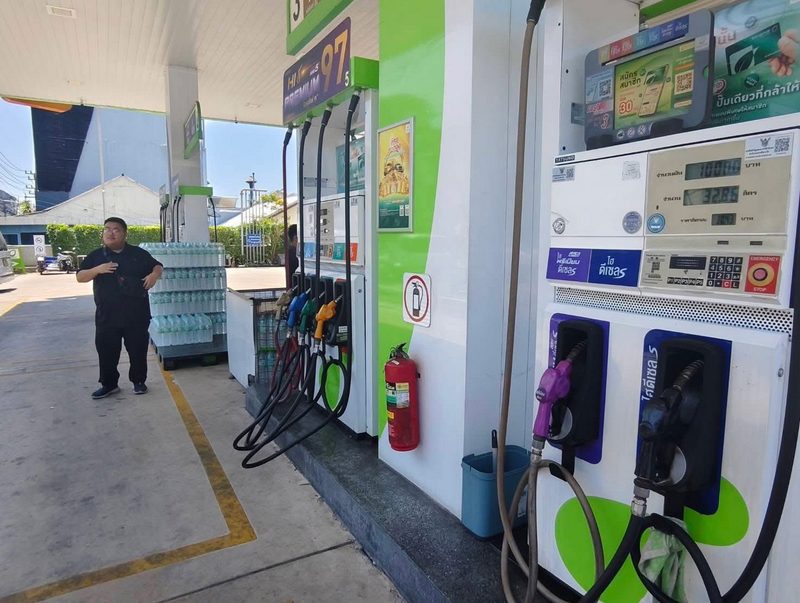
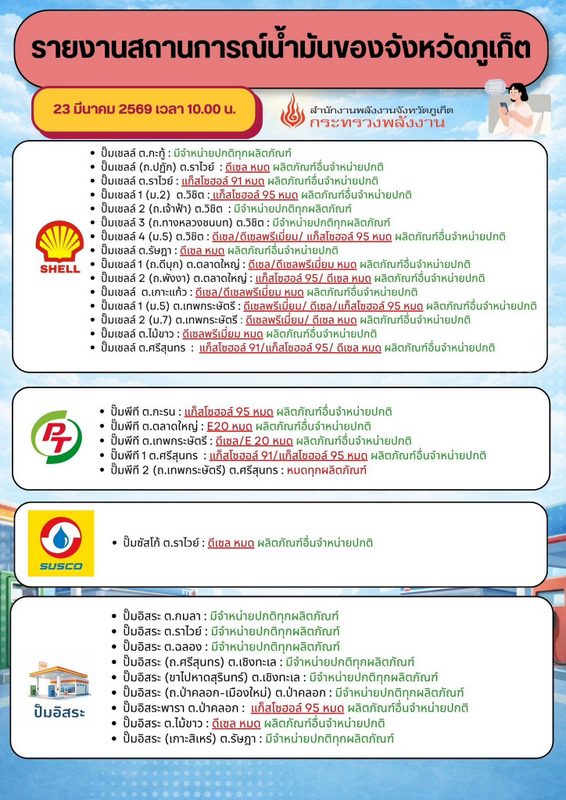
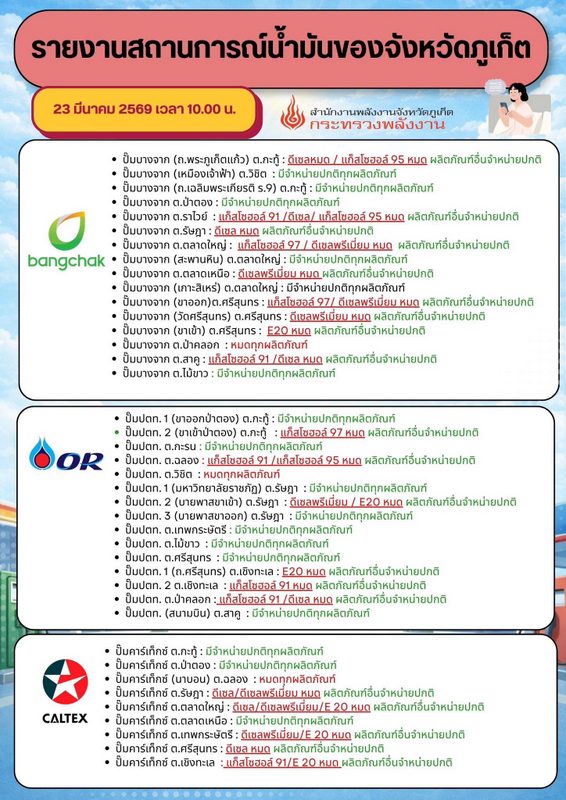
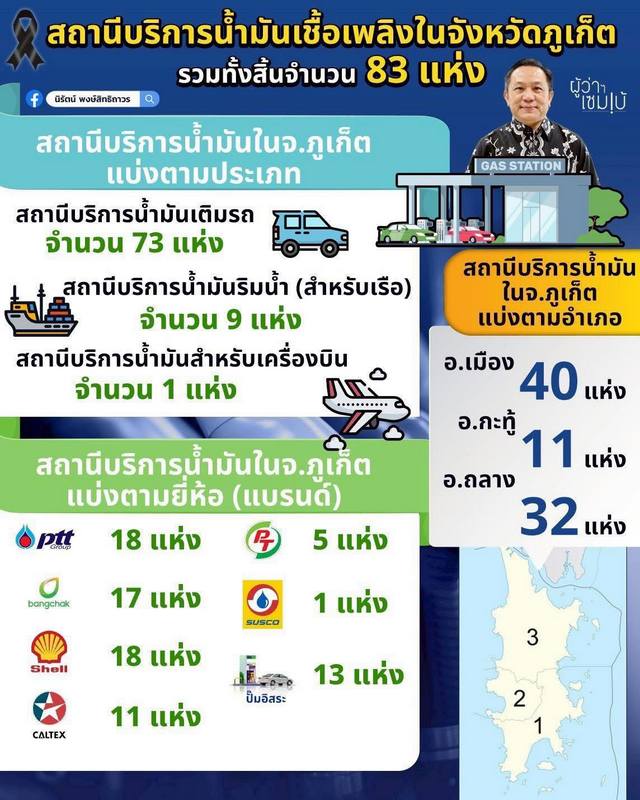

In an online post, Nirat Pongsitthaworn confirmed that Phuket currently has a total of 83 fuel stations. Of these, 73 serve road vehicles, nine are riverside stations supplying boats, and one is dedicated to aircraft.
By district, 40 stations are located in Mueang District, 11 in Kathu, and 32 in Thalang.
The latest update, issued at 10am today (Mar 23), provides a station-by-station breakdown of fuel availability by provider, with motorists advised to check regularly as stock levels continue to fluctuate. (See image gallery)
The move follows a national directive aimed at improving transparency and easing public concern amid reports of sporadic shortages at some pumps.
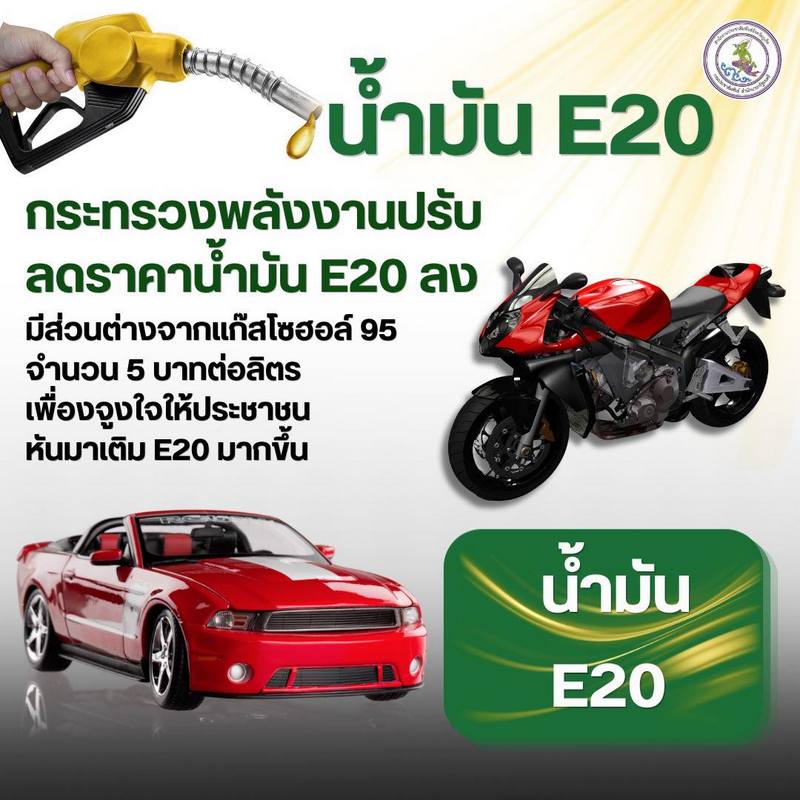
Alongside the updates, the Ministry of Energy has announced a reduction in the price of E20 fuel, creating a price gap of about B5 per litre compared with Gasohol 95 in a bid to encourage motorists to switch.
Officials said that although E20 ‒ a blend containing 20% ethanol ‒ may result in slightly higher fuel consumption, the difference is negligible in real-world use and outweighed by cost savings.
The Phuket Provincial Office also posted a release by the Ministry of Energy detailing which cars and motorbikes can use E20 as fuel.
Click here for the list of which cars can use E20:
Click here for the list of which motorcycles can use E20:
(The Phuket News notes that while the links worked openly on computers this morning, they now seem to work only on mobiles phones. The Phuket News is waiting for an explanation to the issue and confirmation of reconfirmed fully workable links.)
The Ministry of Energy also highlighted broader benefits of using E20, noting that domestically produced ethanol supports Thai farmers and reduces reliance on imported crude oil, helping to strengthen national energy security.
NATIONAL
The measures come as the government steps up efforts to manage fuel supply nationwide following disruptions linked to ongoing tensions in the Middle East.
Prime Minister Anutin Charnvirakul has signed an emergency order allowing oil traders to release national fuel reserves, as the government moves to prevent shortages amid rising demand linked to conflict in the Middle East.
The directive, issued as Prime Minister’s Order No. 4/2026 and published in the Royal Gazette on Saturday (Mar 21), amends an earlier order dated Mar 6 to enable faster and wider distribution of fuel to the public and businesses.
The order forms part of a broader response to mounting pressure on the country’s fuel supply chain, with authorities seeking to ease bottlenecks despite assurances that overall reserves remain sufficient.
Providing an update on the national fuel situation, Sarawut Kaewtathip confirmed that Thailand currently holds (as of Mar 22) approximately 103 days’ worth of oil reserves.
This includes 1,504 million litres of commercial reserves, 3,389mn litres required by law, around 4,200mn litres in transit, and a further 3,700mn litres already secured through procurement contracts.
Despite the strong reserve position, recent demand has surged to unusually high levels, at times exceeding 100mn litres per day, placing strain on transport and distribution systems.
Gasoline production remains steady at about 35.28mn litres per day, with consumption close behind at 34.40mn litres. Diesel production stands at 79.9mn litres per day, above typical demand of 67-70mn litres.
However, on Friday (Mar 20), diesel sales alone reached approximately 71mn litres, forcing authorities to draw on additional reserves to meet demand.
The government has since authorised oil tankers to operate around the clock nationwide and is coordinating with relevant agencies to accelerate deliveries to service stations.
Officials said the measures are intended to inject more fuel into the system, reduce distribution delays and stabilise supply in the coming days.
CRACKDOWN
Meanwhile, enforcement measures have been intensified to combat fuel-related offences. Authorities have warned that higher prices for certain fuel types may incentivise smuggling and illegal sales, particularly to fishing vessels.
Police have increased inspections both on land and at sea, deploying patrol boats to monitor Thai waters. Several arrests have already been made in connection with illegal fuel sales, officials said.
The public is being urged to report any suspected fuel hoarding, price gouging or smuggling via the national police hotline.