


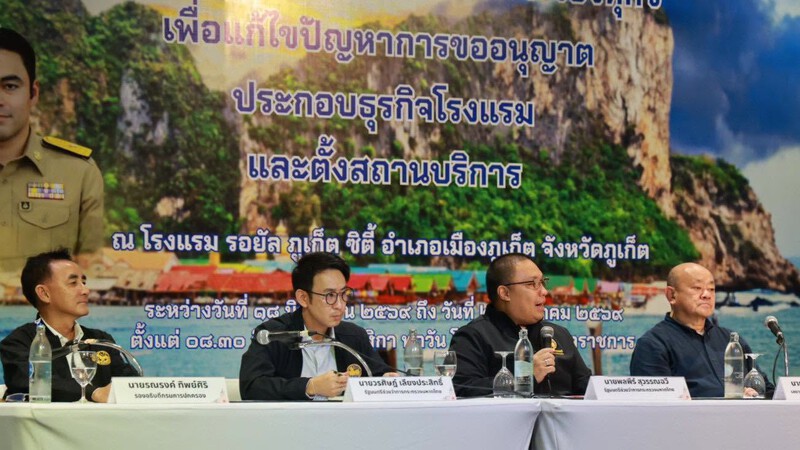
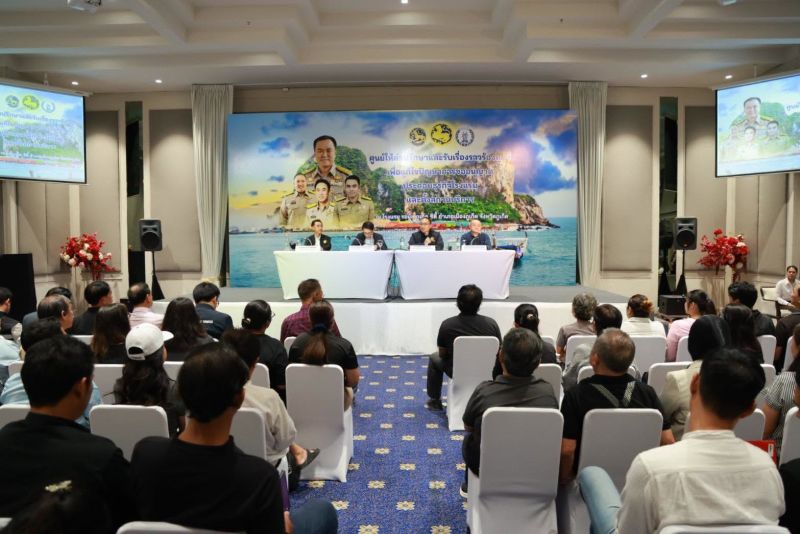
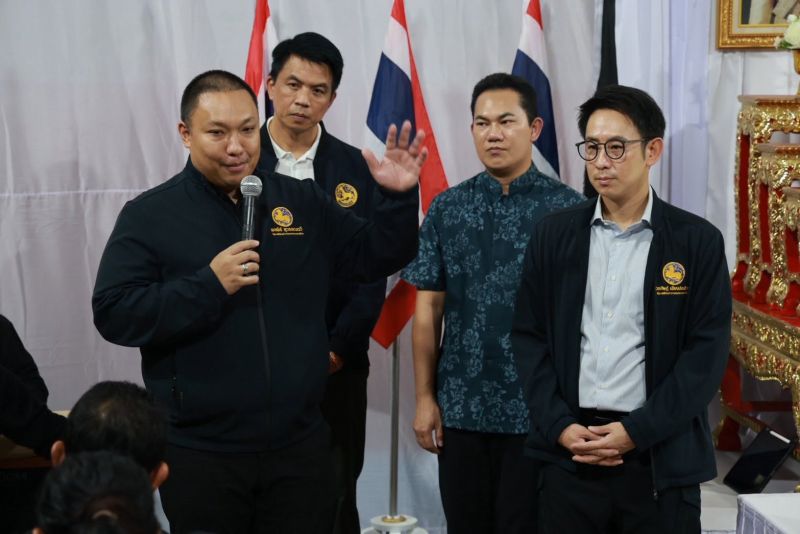
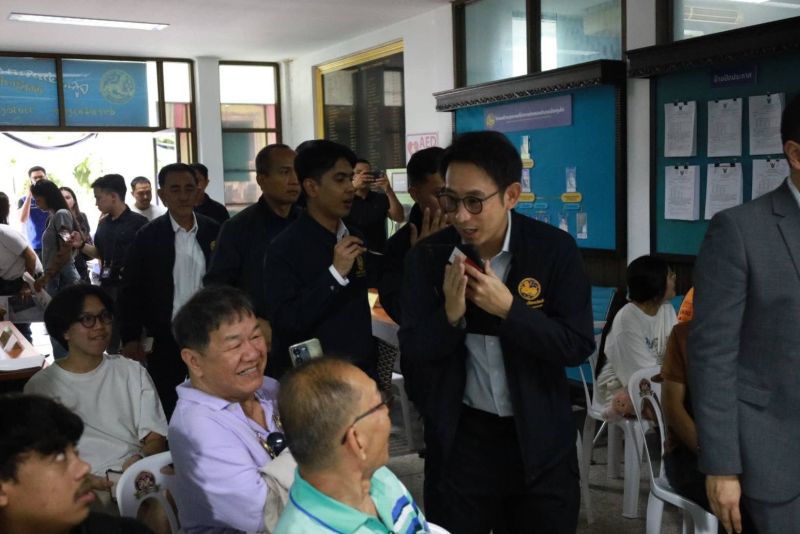
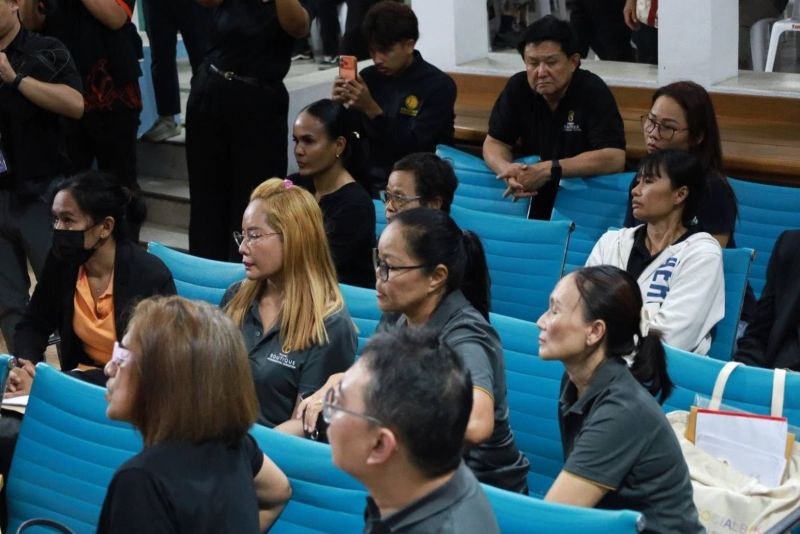
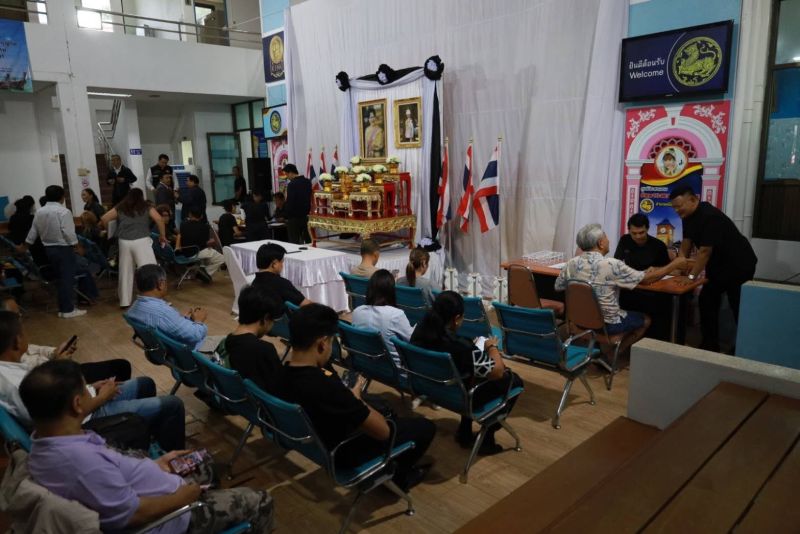
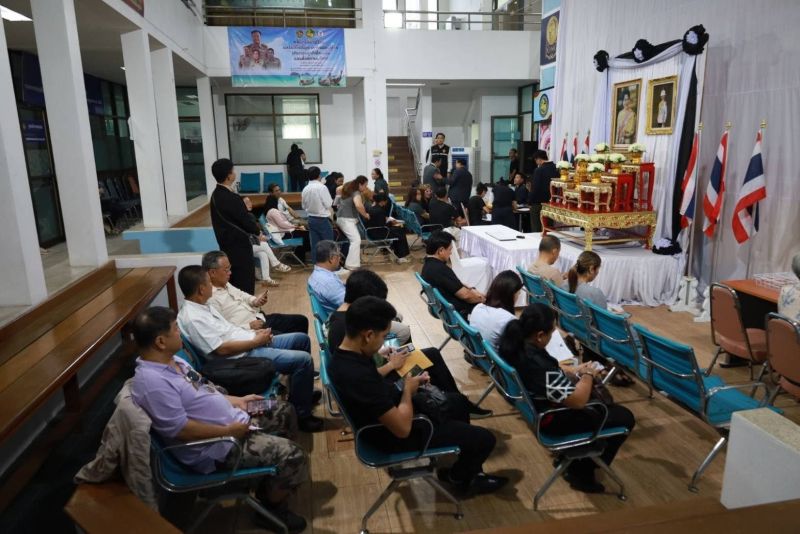

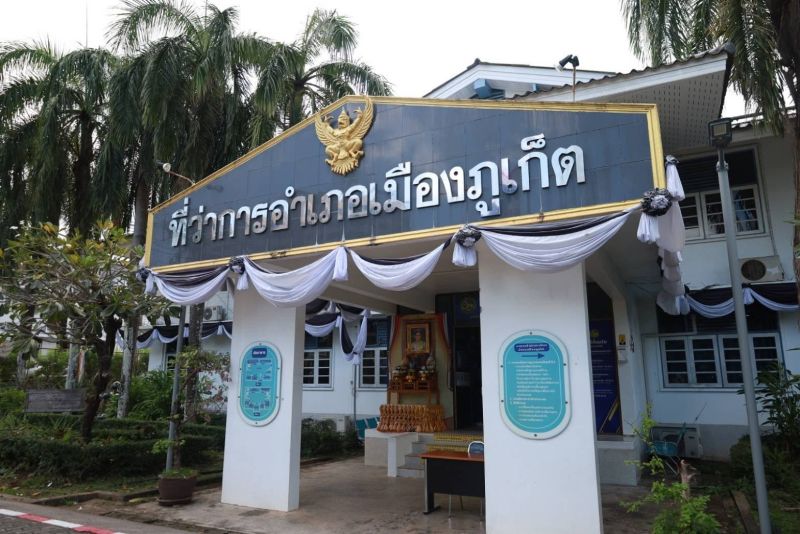
Deputy Interior Ministers Polapee Suwunchwee and Worasit Liengprasit visited Phuket on Thursday (June 18) to open a consultation and complaint centre for hotel and service establishment operators, while meeting business owners to hear concerns over the licensing process.
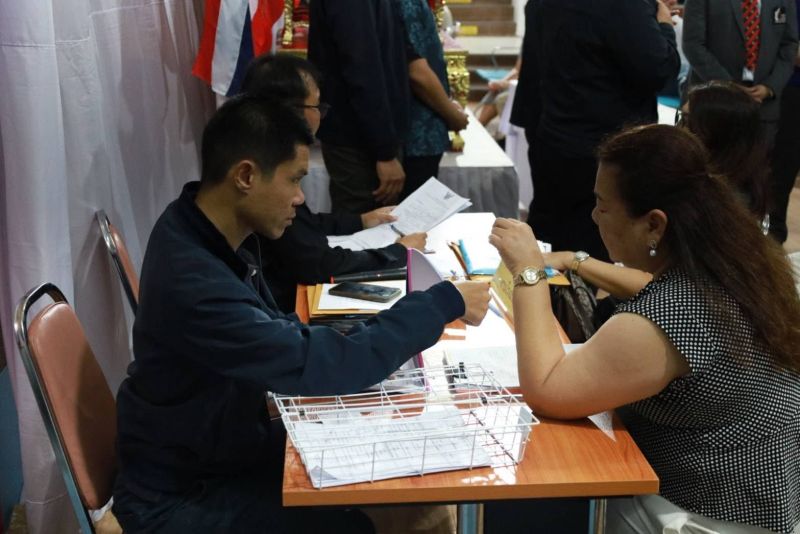
The centre, operating until July 2, is designed to help operators apply for licences, receive legal advice and raise concerns directly with officials.
Speaking during the visit, Mr Polapee said Phuket has about 5,000 hotel establishments, but only around 800 currently hold valid hotel licences.
A further 700 licence applications are awaiting approval, highlighting what he described as major obstacles preventing businesses from entering the legal system.
"The government wants to help entrepreneurs operate legally and fairly," he said.
"We are ready to listen to suggestions from all sectors and consider amendments to laws, ministerial regulations and related rules to reflect the current situation."
He instructed relevant agencies to speed up consideration of applications where documentation is complete and correct, while encouraging operators to use the two-week consultation period to begin the licensing process.
Mr Worasit said many operators continue to face difficulties because of legal restrictions, town planning regulations, land-use controls and other requirements.
He said the ministry would examine the issues "in every dimension" before considering changes to laws and regulations where appropriate.
"The aim is to strike a balance between supporting businesses, maintaining public order and protecting the public interest," he said.
During the consultation sessions, operators complained about lengthy approval times, duplicated paperwork and complex procedures, and proposed establishing a one-stop service to simplify applications.
Officials said those concerns would be reviewed as part of the government’s wider effort to improve the licensing system.
The consultation centre is open daily, including public holidays, from 8:30am to 4:30pm at the Mueang Phuket District Office. Services include accepting licence applications, providing advice, collecting feedback and receiving complaints about the licensing process.
Operators attending consultations have been asked to bring building plans or photographs, land ownership documents and any previous licence application records.
The licensing initiative comes as authorities continue efforts to bring more accommodation businesses into compliance with the law while maintaining tourism standards.
Separately, the Phuket Provincial Administration Organisation (PPAO) this week held a tourism industry seminar attended by more than 400 hotel operators to discuss the impact of the global economy on Phuket’s tourism sector and strategies for sustainable growth.
The PPAO reported that maintenance fee revenue collected from hotel guests totalled more than B290 million during the first eight months of fiscal 2026, from October 2025 to May 2026, up 4.17% from the same period a year earlier.
However, May collections fell to just over B25mn, down 8.36% from May last year, reflecting continued volatility in the tourism market despite overall growth in annual revenue.
RAIDS AND ARRESTS
The launch of the licensing clinic follows an intensive enforcement campaign by the Department of Provincial Administration (DOPA), which in recent weeks has targeted dozens of allegedly unlicensed accommodation businesses across Phuket.
On Tuesday (June 16), DOPA officers raided the Chateau du Village Patong Hotel, alleging it continued operating without a licence despite the operator having already been convicted of the same offence earlier this year.
The latest operation followed raids on seven other accommodation businesses in Patong, Karon and Rawai as part of DOPA’s nationwide crackdown on illegal hotels.
The enforcement campaign has unfolded amid a broader political dispute over alleged corruption within Phuket’s hotel licensing system. Deputy Interior Ministers Polpeerap Suwannachawi and Worasit Liengprasit visited Phuket this week as the government vowed to tackle long-standing obstacles preventing thousands of operators from obtaining licences legally.
The raids have also coincided with allegations that some businesses have been able to continue operating by paying bribes to avoid enforcement, claims repeatedly raised by senior government figures during recent visits to Phuket. However, local official reports have failed to distinguish the difference between a bribe and extortion.
Meanwhile, DOPA Director-General Narucha Khosasilvilai is facing political scrutiny after complaints were lodged with the National Anti-Corruption Commission and the Election Commission alleging he interfered in February’s national election by directing officials to support candidates linked to the Bhumjaithai Party. Narucha has denied the allegations.
The Ministry of Interior says the new licensing clinic is intended to provide operators with a legal pathway into the system while the crackdown on businesses that continue to operate without licences will continue.
YEARS OF TARGETED ABUSE
The government’s latest invitation for unlicensed accommodation operators to register comes after years of complaints from Phuket’s small hotel sector that many businesses were effectively prevented from obtaining hotel licences despite repeated attempts to comply with the law.
Industry groups have long argued that restrictive building regulations, planning laws and licensing requirements left thousands of mostly small family-run hotels unable to qualify for licences, even though they were otherwise legitimate tourism businesses.
Successive governments acknowledged the problem and introduced temporary regulatory exemptions designed to allow existing buildings to be licensed. Those measures enabled about 1,000 previously unlicensed hotels to enter the legal system, but many thousands remained unable to qualify before the exemptions expired.
In October 2024, government agencies, including the SME Bank, launched what was described as a "final chance" campaign urging small hotel operators to register before the temporary regulations ended. Officials estimated the remaining unlicensed small hotels could accommodate more than 20,000 guests a day and contribute billions of baht annually if brought into the legal system.
Despite those efforts, the licensing backlog persisted. Interior Ministry officials now estimate Phuket has about 5,000 accommodation businesses but only around 800 hold hotel licences, with a further 700 applications still awaiting approval.
The new registration campaign also follows an aggressive enforcement drive by the Department of Provincial Administration (DOPA), which in recent weeks has conducted multiple raids on allegedly unlicensed hotels across Phuket, resulting in arrests and prosecutions.
The crackdown has unfolded amid a broader political dispute. DOPA Director-General Narucha Khosasilvilai is facing complaints to the National Anti-Corruption Commission and Election Commission over allegations he and other Interior Ministry officials interfered in February’s Senate election in what has become known as the "Helping the Blue" scandal. Narucha has denied any wrongdoing.
DOPA has also alleged that some illegal hotels have continued operating by paying bribes to avoid enforcement, although no evidence has yet been presented publicly to support those claims.
Against that backdrop, the government’s latest initiative marks a significant shift in emphasis ‒ from primarily enforcing the Hotel Act through raids and prosecutions to actively encouraging thousands of operators who have long argued they were locked out of the licensing system to finally apply to operate legally.