


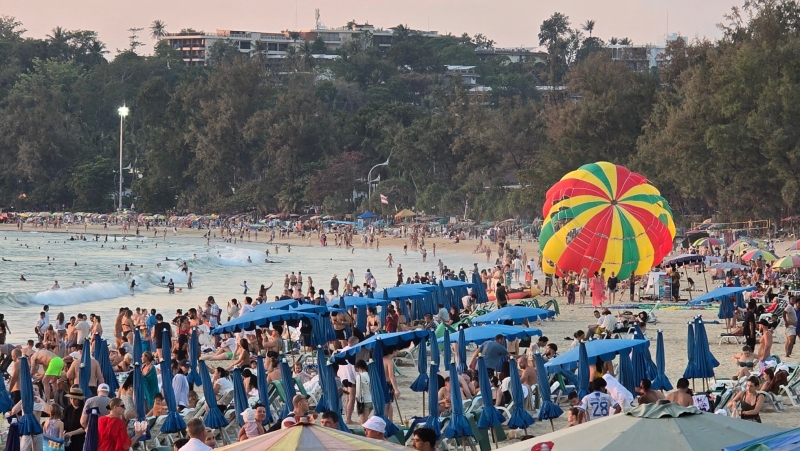
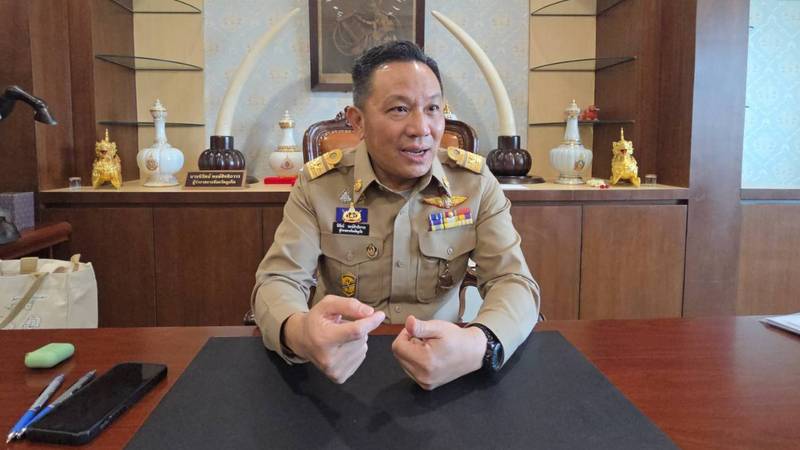
In an exclusive interview, Governor Nirat made clear that while tourism remains Phuket’s economic engine, growth must now be balanced with environmental responsibility and sustainability.
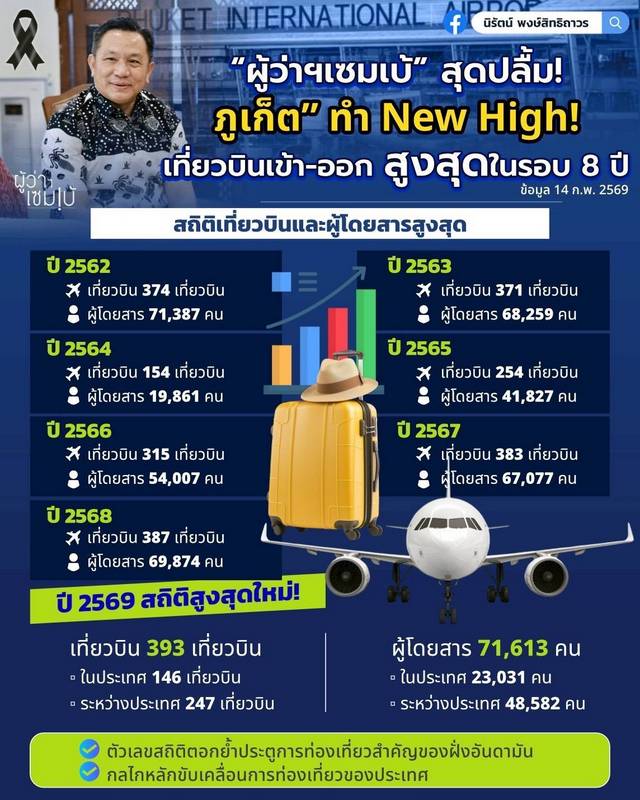
He noted that Feb 14, 2026 marked a new peak in passenger traffic at Phuket International Airport, with congestion so severe that on some days it may have surpassed traffic levels at Suvarnabhumi Airport and Don Mueang International Airport.
The surge reflects years of coordinated efforts to promote Phuket as a high-quality destination, he said, with agencies including the Tourism Authority of Thailand, the Ministry of Tourism and Sports and other government bodies working alongside local businesses and residents.
“Phuket is not a cheap city. We don’t sell cheap products ‒ we sell quality,” he said. “Tourists invest in coming here. What they receive is a beautiful city, white sandy beaches, clear blue waters, clean air and international-standard cuisine.”
Despite the record arrivals, Governor Nirat said Phuket does not need to exceed 14 million visitors per year. Instead, the focus should be on increasing the average length of stay.
“Fourteen million is enough,” he said. “What we need is for them to stay longer ‒ from three nights to five, seven or even longer. If visitors stay longer and spend more, we reduce pressure on the airport and infrastructure while increasing income.”
He added that tourism growth must go hand in hand with safety, order and effective administration, acknowledging that while incidents and crime do occur, authorities are working to strengthen prevention and enforcement to maintain confidence.
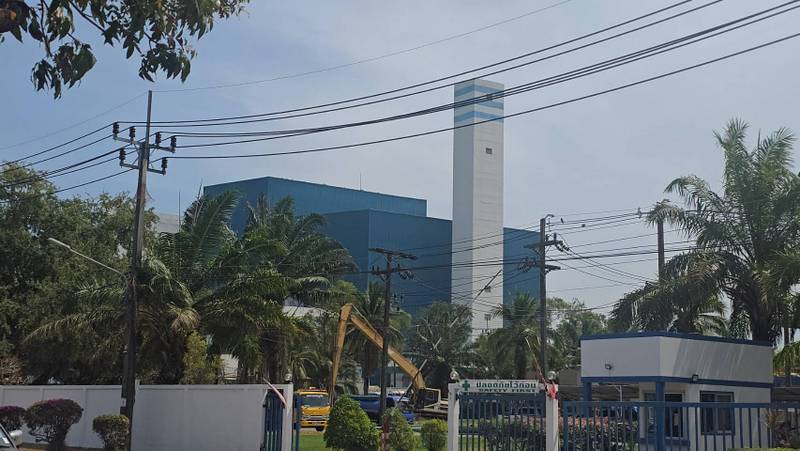
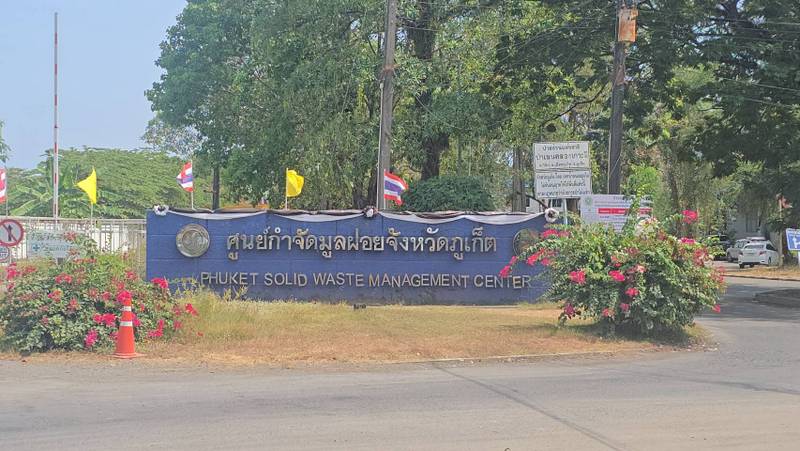
However, he stressed that waste is the most urgent issue facing the island.
Phuket, covering more than 500 square kilometres, is grappling with what he described as a “mountain of waste”, and “unacceptable for a world-class tourist destination”.
“If waste affects the environment ‒ through smell, wastewater or leakage into the sea ‒ it damages Phuket’s image and its future,” he said.
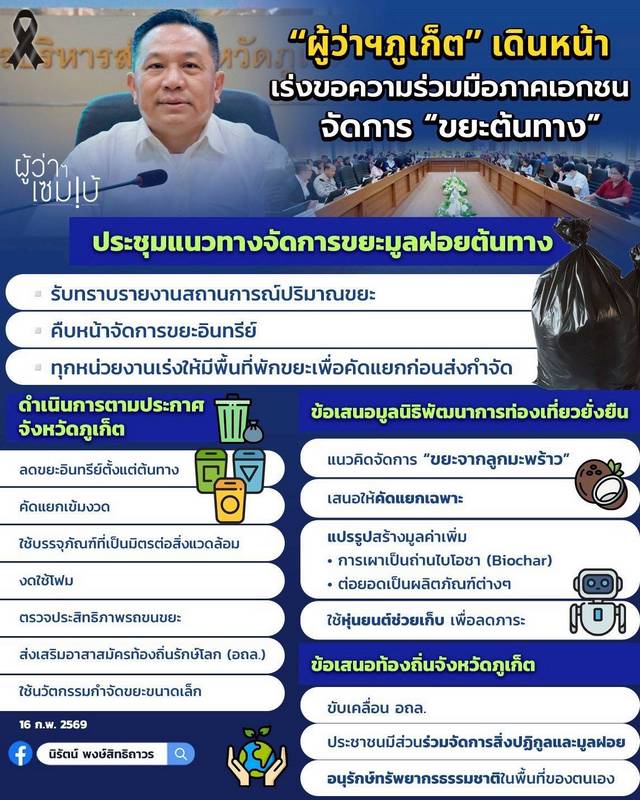
He outlined a three-point strategy: reduce waste generation, improve waste separation and recycling, and require local disposal of organic waste. Food and organic waste accounts for about 60% of Thailand’s total waste stream, and possibly as much as 70% in Phuket, he said.
Governor Nirat has repeatedly called on all 18 municipalities and subdistrict administrative organisations on the island to adopt localised waste management solutions within their own jurisdictions, particularly for organic waste.
“If every area manages its own waste properly, we can significantly reduce the volume starting this year,” he said, expressing confidence that visible progress could be achieved within a year with strong cooperation.
For the existing landfill at Saphan Hin, he said the province will work closely with Phuket City Municipality to manage and process the accumulated waste as efficiently as possible to minimise environmental impact in the short term.
“Tourism has brought us success,” he said. “Now we must ensure that Phuket remains clean, sustainable and liveable ‒ not just for visitors, but for our own people.”