



The changes were outlined on Tuesday (June 30) during the fifth meeting of the Phuket Provincial Joint Public-Private Sector Committee for Economic Problem Solving (JPP Committee), chaired by Phuket Governor Chotinrin Kerdsum at Phuket Provincial Hall.
According to the Phuket Provincial Public Health Office (PPHO), there are currently 1,089 licensed cannabis retail outlets operating across the island.
Of those, 288 licences are due to expire this year, 469 in 2027 and a further 322 in 2028, said Phuket Provincial Health Office (PPHO) Deputy Director Somsuk Samphanprathip.
Mr Somsuk told the meeting that existing licences will not be automatically renewed when they expire.
Businesses wishing to continue selling cannabis will instead have to comply with new national regulations requiring them to operate as medical facilities or obtain appropriate drug sales licences, he added.
Under the new rules, operators must also hold the relevant licence to produce Category 5 narcotics extracts from cannabis or hemp under Thailand’s Narcotics Code, or have certification as a practitioner under the Thai Traditional Medicine Act.
In addition, every licensed premises must have at least one staff member who has completed training by the Department of Thai Traditional and Alternative Medicine present throughout business hours.
Provincial officials said the tighter requirements are expected to significantly reduce the number of cannabis retailers operating in Phuket.
The local changes follow a nationwide policy shift announced by Public Health Minister Pattana Promphat, who has pledged to return cannabis to a strictly medical framework while pushing forward the long-delayed Cannabis and Hemp Act.
Speaking in Parliament in May, Mr Pattana said cannabis retailers would increasingly be required to register as medical facilities and have qualified medical professionals available during operating hours.
He said around 18,000 cannabis shops had been registered nationwide by the end of 2025 under the previous regulations. However, after new rules were introduced, only about 11% of businesses whose licences expired at the end of 2025 had renewed them.
According to the minister, approximately 12,000 shops remain licensed under the previous system, with their permits due to expire progressively between 2026 and 2028.
He said future legislation would also regulate cannabis cultivation, introduce controls over production and distribution, and strengthen enforcement against unauthorised sales.
Mr Pattana stressed that cannabis should only be used for medical purposes and said electronic prescription systems were being developed to improve oversight.
The Ministry has also introduced a digital system that records the GPS locations, registration numbers and licence status of authorised cannabis retailers, allowing provincial health officials and police to quickly identify unlicensed businesses.
The stricter enforcement is already being reflected in Phuket.
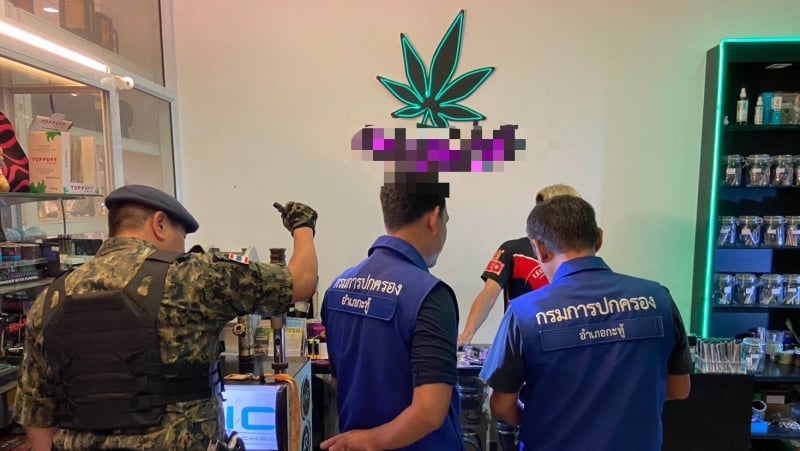
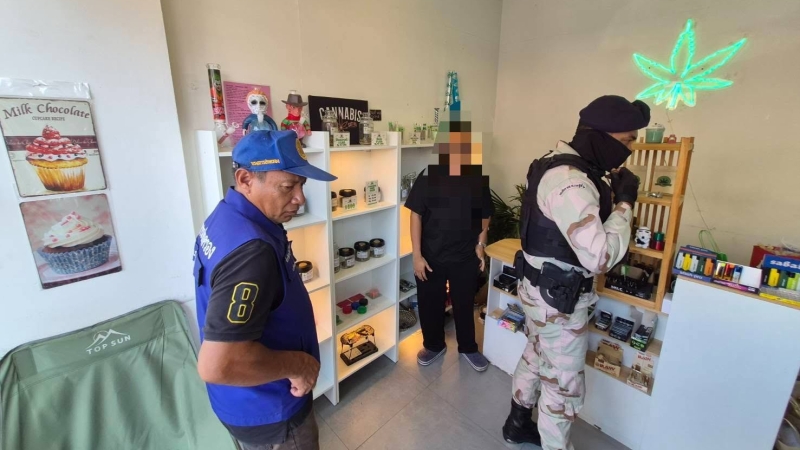
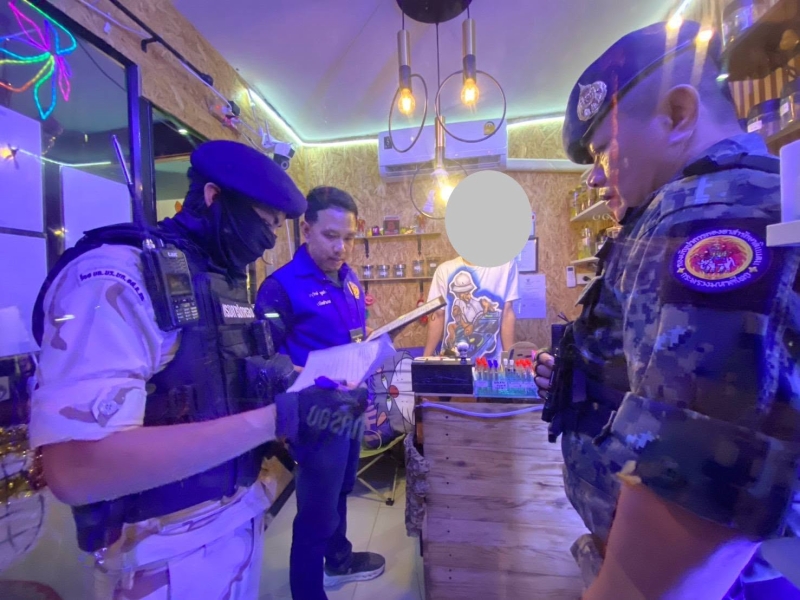
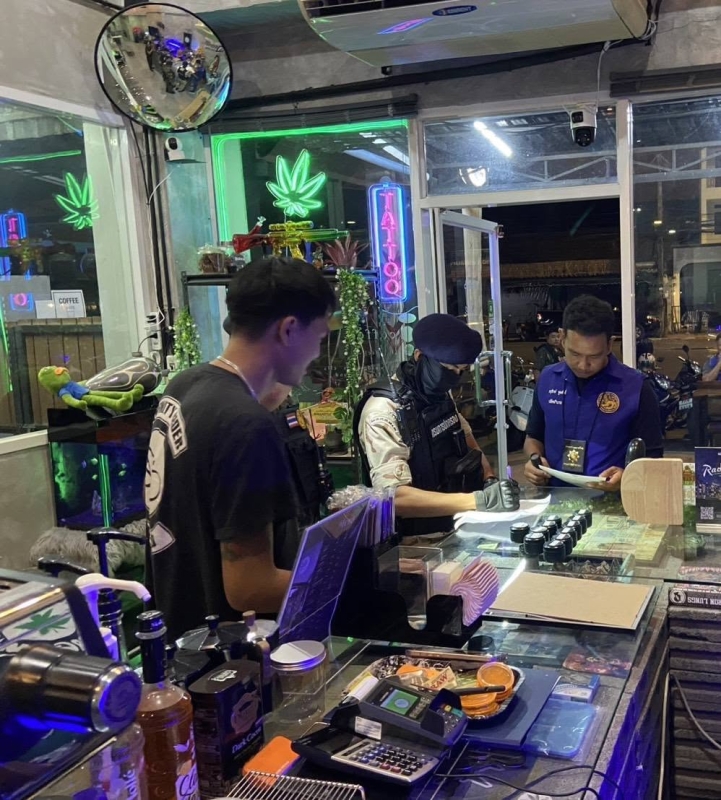
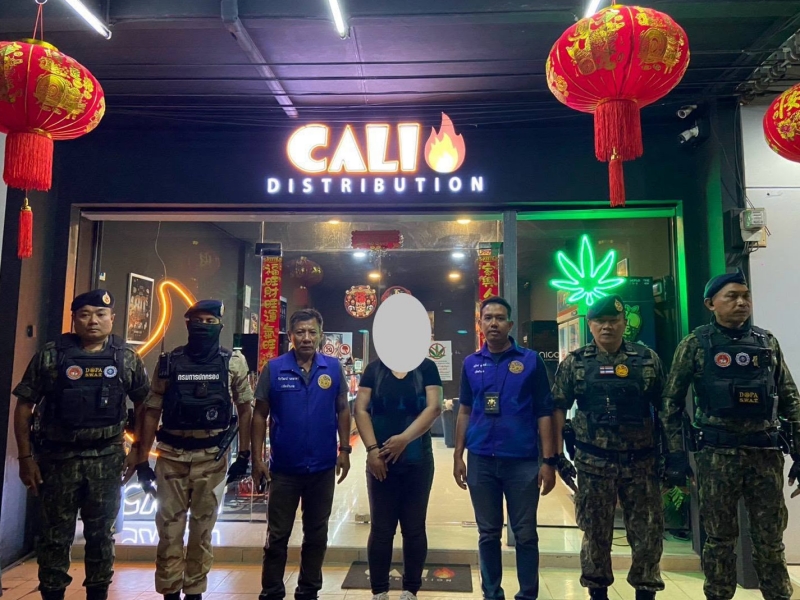
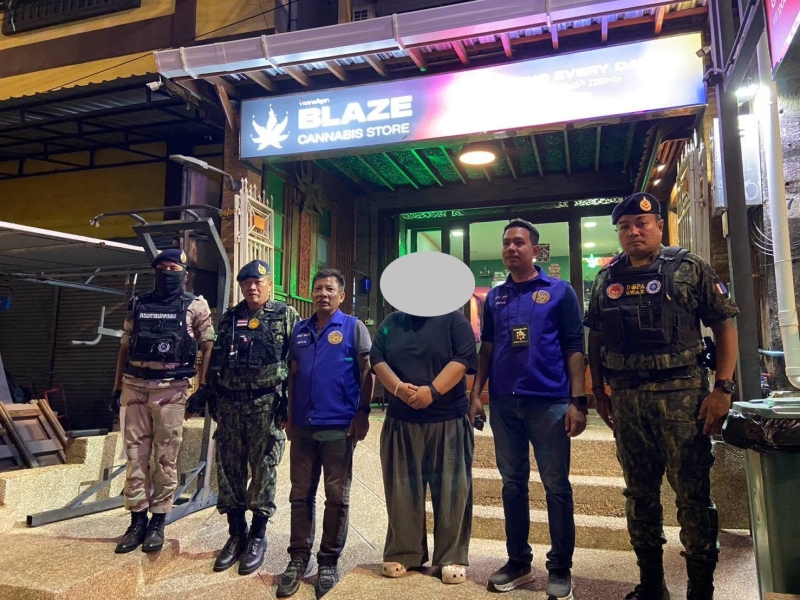
Earlier this year, the PPHO, together with Kathu District health officials and Kamala Police, raided a cannabis shop in Kamala after it allegedly continued operating despite having its licence revoked.
During the inspection, officers reported finding cannabis products still being offered for sale, cannabis extracts and more than 100 food items without Thai-language labelling.
Authorities subsequently filed charges against the operator for illegally selling cannabis flower buds without permission under the Thai Traditional Medicine Protection and Promotion Act, an offence punishable by up to one year in prison, a fine of up to B20,000, or both.
Provincial officials said inspections of cannabis retailers will continue as authorities implement the new licensing requirements and work to ensure that cannabis sales in Phuket comply with the government’s revised medical-use policy.