



Also referred to as Wan Phra Yai in Thai – literally a “Major Holy Day” – Visakha (Visek) Bucha Day is a day for Buddhists to commemorate the birth, enlightenment and passing of the Gautama Buddha, whose teachings became the foundation of Buddhism.
The trinity of events is believed to have occurred on the same date on the lunar calendar – albeit in different years.
According to the Thai lunar calendar, the date is observed on the full moon of the sixth month, which tends to fall in May and sometimes June, like this year.
The United Nations General Assembly passed a resolution in 1999 to have the occasion internationally recognised as an event for Buddhists worldwide to celebrate altogether.
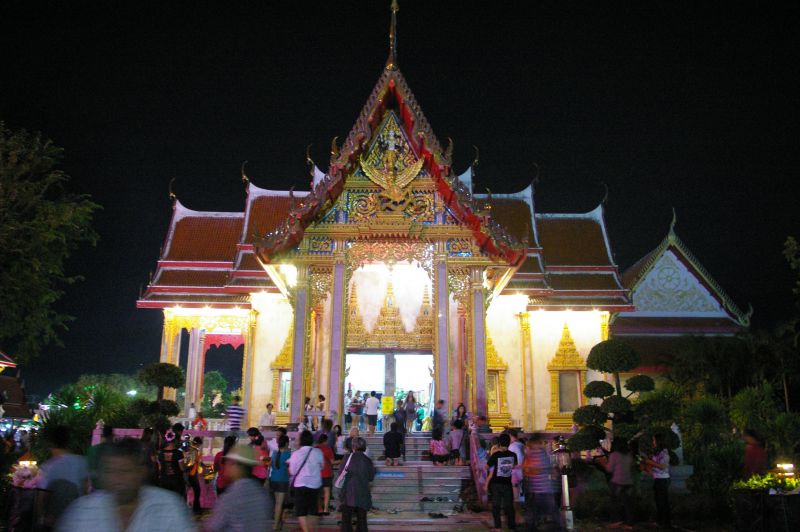
In Phuket, ceremonies will be held at every temple on the island. Key services will be held at Wat Mongkol Nimit (Wat Klang) in Phuket Town.
As the temple is designated as the provincial royal temple, many of the island’s leading officials and dignitaries often attend services there.
The ceremonies will start after 5pm, when temple goers will gather in the main hall to pray and listen to sermons.
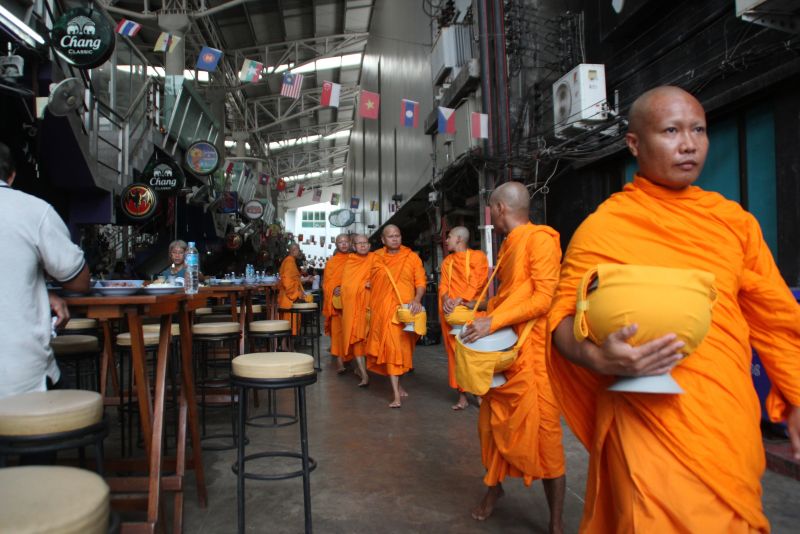
After 7pm, monks will lead the traditional “Wien Tien” procession, circling the bodh, or main ordination hall, carrying candles, incense and lotus flowers.
The monks and their followers will each hold three joss sticks and circle the main hall three times to honour the Buddhist trinity. Services at different temples in Phuket will differ slightly, depending on which of the two principle Thai Buddhist sects the temple is associated with.
Namely, there are Mahanikai (Mahanikaya) and the Dhammayut (Dhammayukti) temples.
Mahanikai temples, such as Wat Mongkol Nimit and the famous Wat Chalong (Wat Chaiyathararam) observe the ceremonies described above.
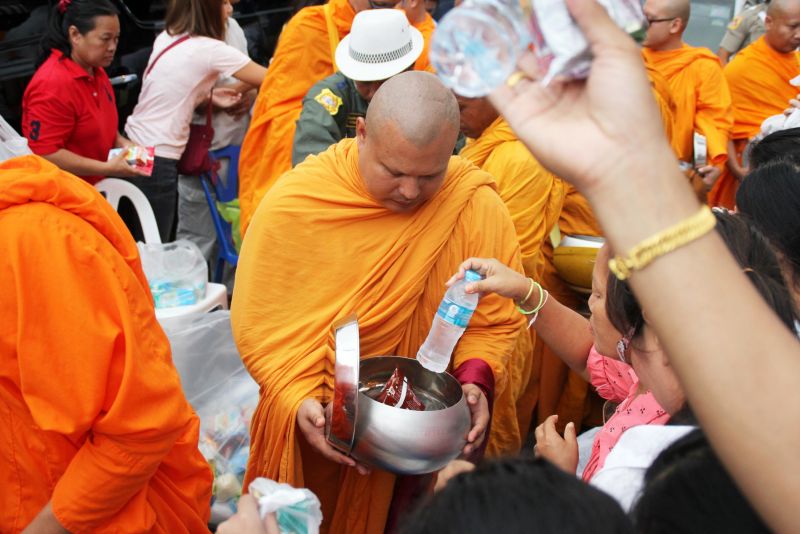
Dhammayut temples, however, differentiate themselves by focusing more on the teachings of the Buddha, with less emphasis on rituals. Dhammayut temples in Phuket include Wat Langsan (Charoen Samanakij temple), Wat Pitak Samanakit and Wat Pa Aram Rattanaram, all in Phuket Town, and Wat Mai Khao at the northern end of the island. These temples will observe only a few ceremonies, including merit making in the morning (at about 6:30am to 7am). In the evening, followers will gather in the main hall to listen to the sermon.
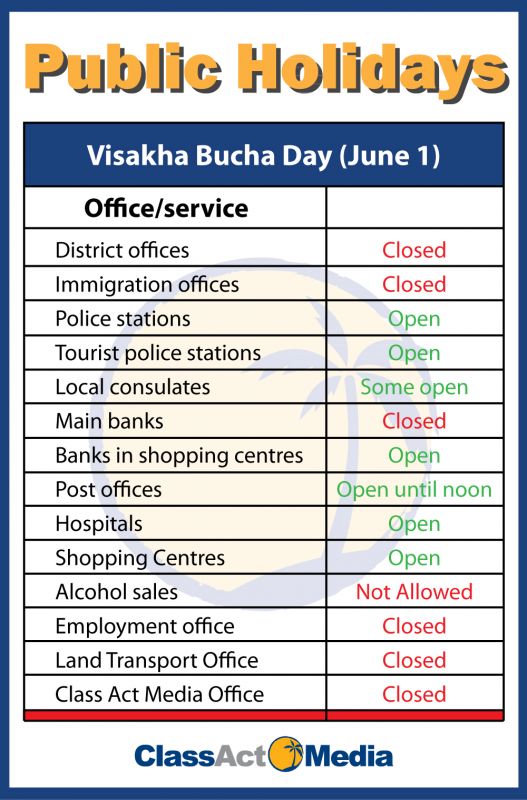
As Visakha Bucha is a holy day, shops, bars and restaurants are barred from selling alcohol for 24 hours from midnight on Sunday night.
To find out what’s open and what’s not, visit tinyurl.com/visakha-phuket
ENLIGHTENMENT FOR ALL
The Buddha Guatama was a prince-turned holy man who lived in the area of Nepal and India about the same time as the famous Greek philosophers (Plato and Socrates), or about 2,500-odd years ago. Like his Greek counterparts, he was not an immortal God or spirit with special superhuman powers, but was a mortal, albeit intelligent human being who sought to optimise the use of his cranium muscle with the greater aim of understanding and embodying the “true” meaning of existence.
And through strict mental and physical discipline, meditating under a holy Bodhi tree, the Buddha discovered the answers he was seeking and went on to embrace and teach the not-so-secret secrets of his “enlightenment” to others. In a nutshell, life is a never-ending cycle of suffering, a relentlessly rotating wheel fuelled by desire – for pleasure, lust, vanity, joy and happiness. Once one is able to “let go” of such desires, then and only then, does this wheel cease to turn anymore. But the Buddha certainly was not the first to “see the light”, nor shall he be the last.
In fact, anyone of us has the potential to be a Buddha.
Additional reporting by Steven Layne