


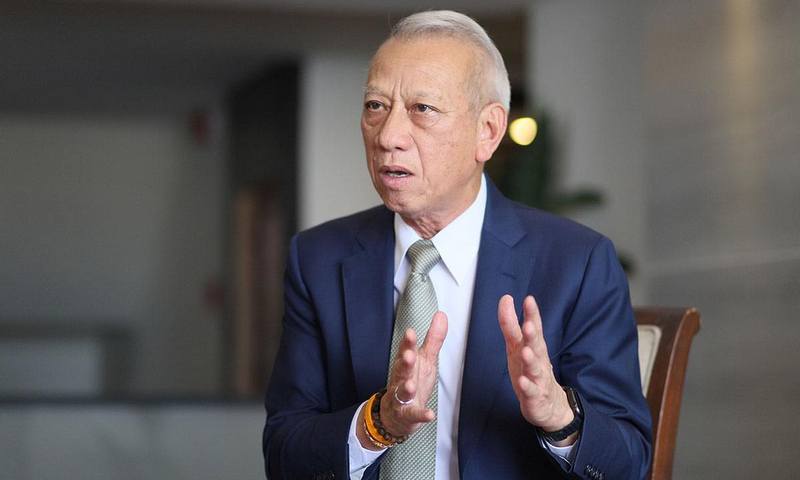
Mr Phiphat said rumours that the Phuket mass transit project had been scrapped were “not true”, explaining that the Ministry of Transport is instead adopting a phased approach to infrastructure development to avoid worsening congestion during construction.
“The light rail project is a large-scale development that requires the use of road medians and extensive construction,” Mr Phiphat said, according to official government reports. “If we proceed while Phuket’s traffic bottlenecks and road network problems remain unresolved, congestion will become even more severe.”
He said transport development in Phuket must begin with addressing critical choke points, expanding road capacity and constructing tunnels and expressways before any rail-based system can be realistically introduced.
The most urgent project under this revised sequencing is the Patong Tunnel project, Mr Phiphat said.
The project will span 3.98 kilometres and carries a budget of B16.759 billion. Preparations for the bidding process are expected to begin in January 2026, with construction projected to be completed around mid-2030.
The tunnel is intended to ease congestion at the entrance to Patong, widely regarded as one of Phuket’s most severe and persistent traffic bottlenecks, particularly during peak tourism periods.
Mr Phiphat said the tunnel project is considered essential groundwork before any mass transit system can be implemented effectively on the island.
EV BUSES BEFORE RAIL
Once road infrastructure and traffic systems are improved, the Ministry of Transport plans to introduce electric bus (EV bus) services along routes aligned with the future tram corridor.
The aim, Mr Phiphat said, is to familiarise residents and tourists with using public transport on Phuket’s main roads before upgrading to a full-scale light rail system.
Only after road capacity, traffic flow and public transport usage have reached appropriate levels will the government consider proceeding with Phase 1 of the Phuket tram project.
That phase, expected to cost around B35 billion, covers the 42km route from Phuket International Airport to the Chalong Circle and, under current planning, would not be considered until after 2030.
Mr Phiphat said the staged approach is intended to deliver sustainable long-term solutions to Phuket’s traffic problems while supporting economic growth, tourism and residents’ quality of life.
CONTRASTING STANCE
However, the clarification follows reporting by the Bangkok Post which painted a more sceptical picture of Mr Phiphat’s position on the project.
According to the newspaper, Mr Phiphat has voiced opposition to the Phuket tram proposal put forward by the Mass Rapid Transit Authority of Thailand (MRTA), arguing that it would deliver limited benefits while worsening congestion and imposing high investment costs.
The MRTA proposal involves constructing the light rail along the medians of major roads, which Mr Phiphat reportedly said would reduce available traffic lanes, require pedestrian overpasses and supporting infrastructure, and ultimately fail to attract sufficient ridership.
He was quoted as saying that many visitors from other provinces prefer to drive when travelling around Phuket, making passenger numbers for a tram system potentially low.
Instead, the minister reportedly favoured widening roads, expanding existing bus services and introducing dedicated bus lanes as a more flexible and cost-effective solution to Phuket’s chronic congestion.
Mr Phiphat was quoted as saying that bus-based systems offer greater flexibility than rail, as traffic barriers can be adjusted to allow buses priority movement while still permitting general vehicles to use lanes when necessary.
This approach, he said, would also reduce construction disruption and significantly lower investment costs compared with rail infrastructure.
The minister also reportedly said discussions are underway with private operators to increase the number of buses operating in Phuket, with the Department of Land Transport tasked with overseeing the expansion.
In addition, he was quoted as saying that if he returns as transport minister, he would push to widen Thepkrasattri Rd by removing the central median and using barriers instead ‒ increasing capacity from six to eight lanes.
Mr Phiphat also reiterated support for broader infrastructure megaprojects under the Southern Economic Corridor initiative, including a proposed land bridge linking the Gulf of Thailand and the Andaman Sea.