


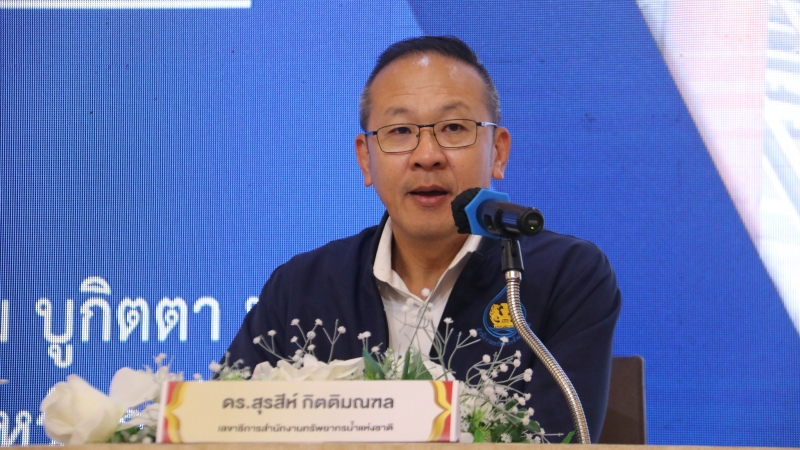
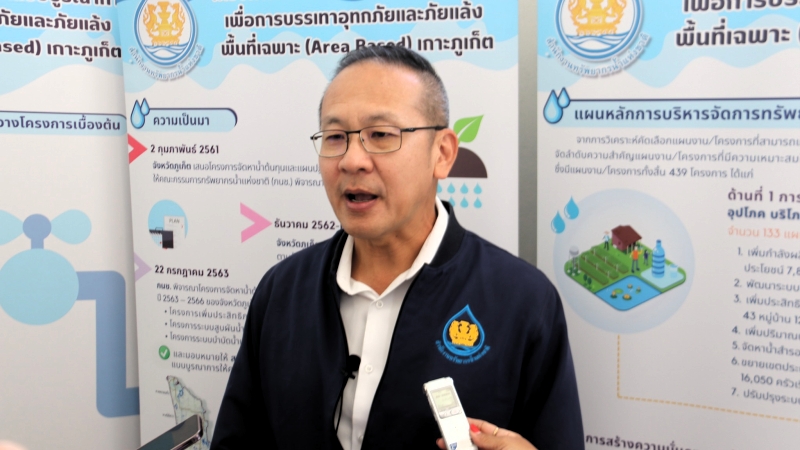
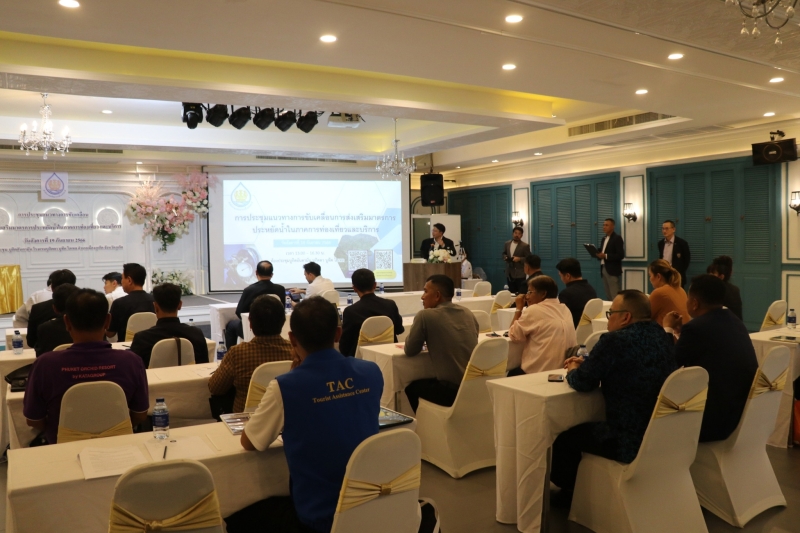
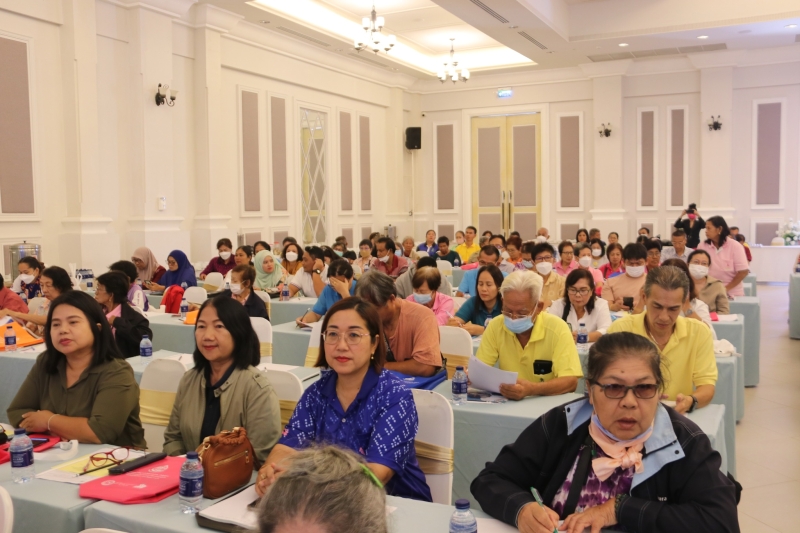
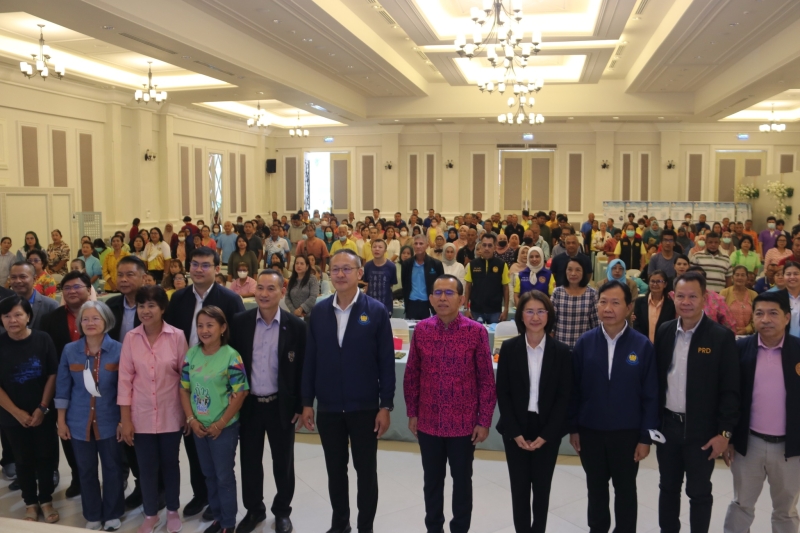
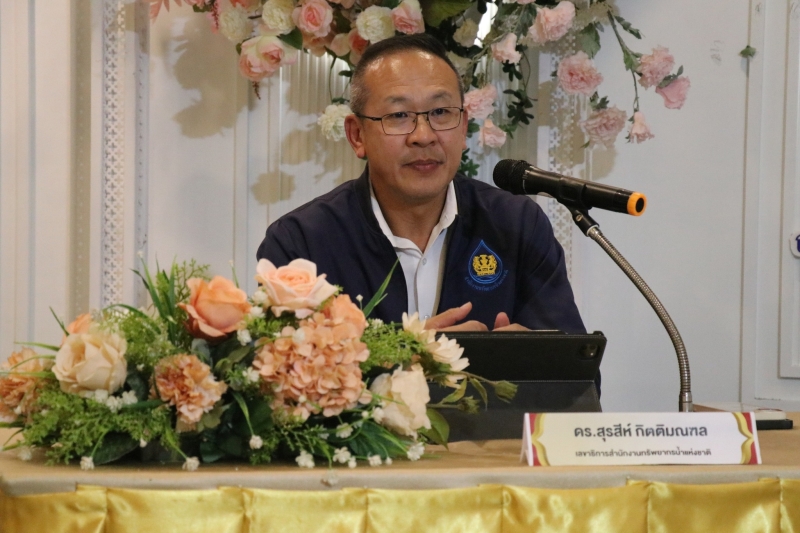
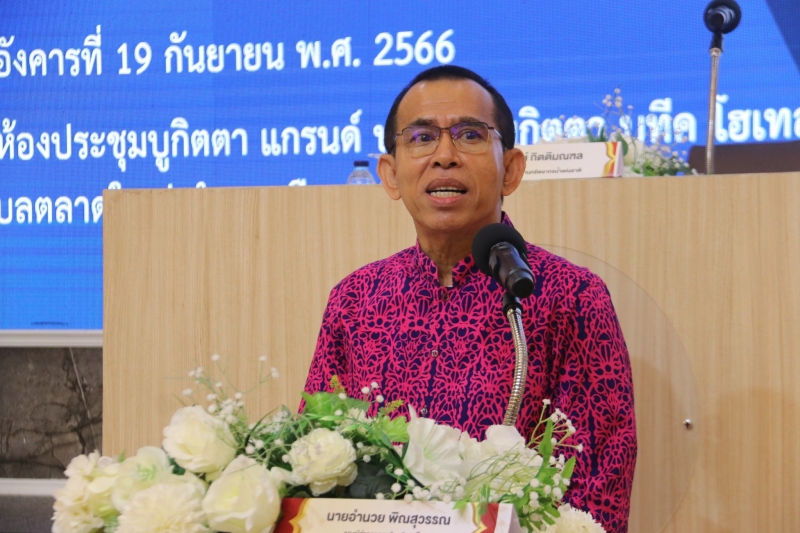
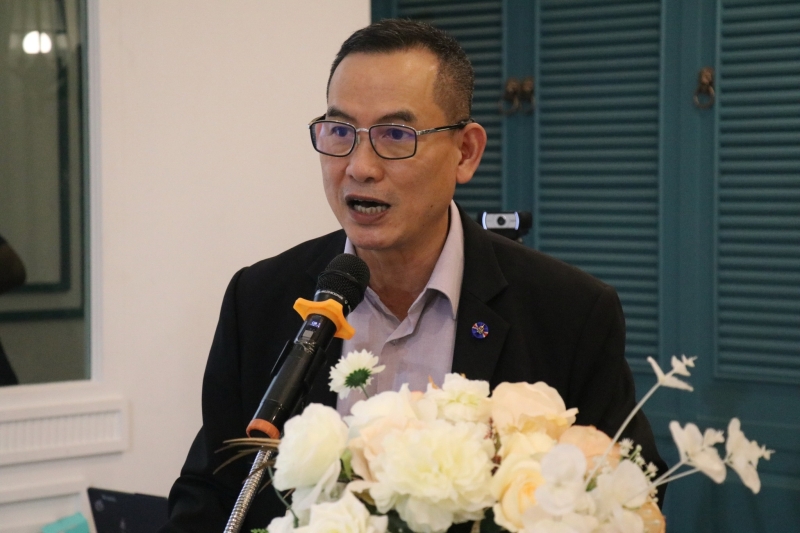
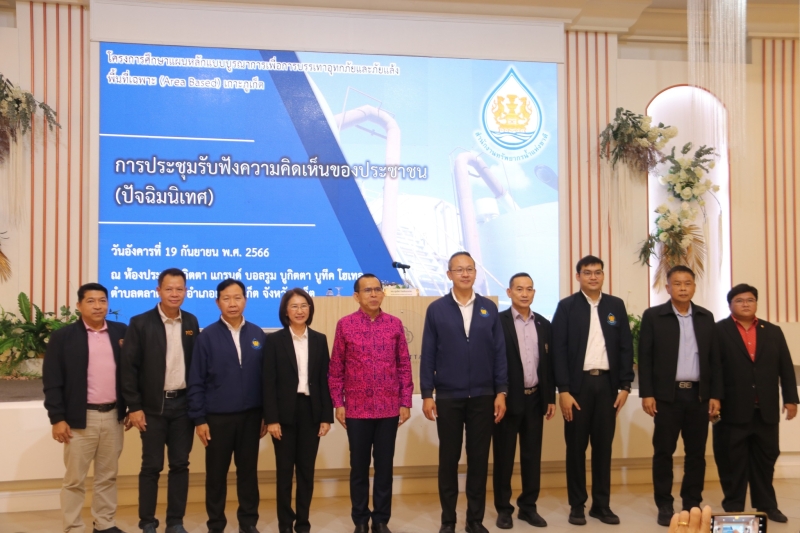
The forum, held at the Bhukitta Boutique Hotel in Phuket Town, saw more than 300 people attend, including Phuket Vice Governor Amnuay Pinsuwan and Phuket Chamber of Commerce President Kongsak Koophongsakorn.
Dr Surasee later joined another similar event at the Dara Hotel, in Wichit.
The aim of the meeting was to hear feedback, opinions and suggestions from local people about the “integrated master plan to solve flood-drought problems”, said an official report of the event.
The ONRR was “ready to discuss with tourism business operators to accelerate the drive for water-saving measures in the tourism and service sectors”, said the report.
Dr Surasee said that Phuket was one of the first provinces in the country to have prepared water-resource management master plans at the subdistrict (tambon) level.
“Therefore, today the forum will be opened to listen to public opinions on the master plan study project and to listen to suggestions on the results of the study and planning of seven preliminary projects drawn from the plan to drive more than 400 projects which are ready to be deployed,” Dr Suarsee said.
According to the official report, doing so would empower the government “to solve urgent problems in the area quickly and use it as a model to expand the results of project implementation in each aspect of water resource management that supports the development strategy of Phuket Province under water resource management until 2037”.
Singled out as examples of such urgent projects were three projects: to improve the quality of village water supply in Pa Khlok; the Tha Maphrao Canal Dredging Project; and a project to build a weir to reduce water flow to reduce soil erosion in the upper area of the Kathu Waterfall community.
Oddly not mentioned in the official report was the key issue that Phuket was releasing nearly 55,000 cubic metres of untreated wastewater per day, as confirmed by Dr Surasee himself during his visit to Phuket just two weeks ago.
According to the official report, the tourism business operators pointed out the necessity of resolving Phuket’s recurring, and ongoing, water-supply and flooding issues for the sake of tourism.
According to current projections, Phuket’s demand for water supply will grow to approximately 100 million cubic metres by 2037.
Also highlighted was that the increasing number of tourists coming to Phuket each only adds to the problem, an obvious long known fact that Dr Surasee pointed out during his previous visit that he already understood.
“The appropriate solutions must be consistent with the context in each area experiencing problems. It can help reduce and eliminate problems in water resource management in Phuket Province,” Dr Surasee said.
Among the suggestions floated to help reduce water use and reduce wastewater, hotels were asked to look into reusing towels, adding water meters to showers and to maintain pipes on their premises to reduce leakage.
Doing so would help alleviate Phuket’s water-related issues, Dr Surasee said.
“Conducting water conservation campaigns for the tourism business sector will also create soft power for the tourism sector in another way, through promotion of sustainable water development and management,” he added.
“These water-saving measures are simple and can be carried out immediately. They would truly help create awareness of using water with appreciation and sustainability in the future,” he said.