




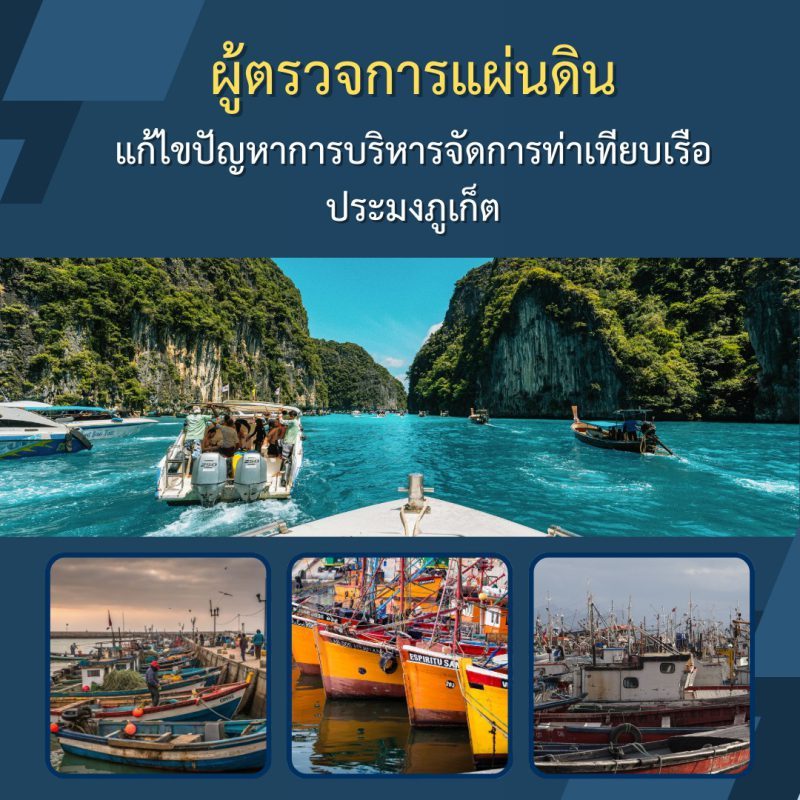

The findings were released in a report issued after the Phuket Fishermen’s Association lodged a complaint alleging that the Phuket Fishing Port Authority, operated by the Fish Marketing Organization (FMO), had acted unlawfully.
The association claimed the FMO allowed a private company to use part of the port as a speedboat and tourist pier without conducting a public hearing or consulting fishing operators about the potential impact on their livelihoods. It also raised concerns over permission granted to a private company to sell fresh drinking water within the port area.
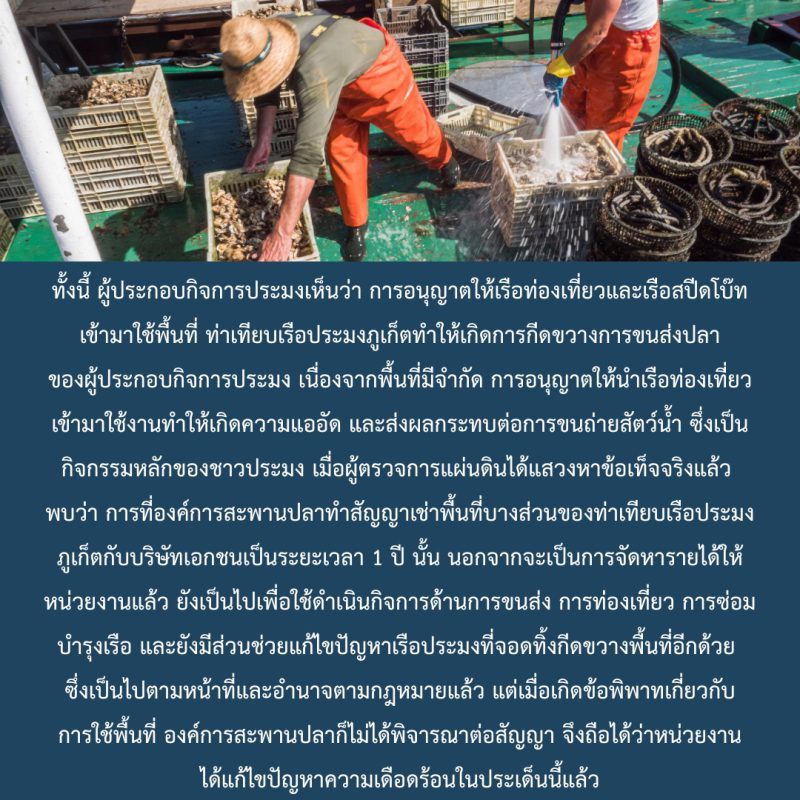
Fishermen argued that the introduction of tourist boats and speedboats had disrupted core fishing activities, particularly the unloading and transport of seafood. They said limited space at the port led to congestion, making it more difficult to carry out daily operations.
However, following its investigation, the Ombudsman concluded that the FMO’s decision to lease part of the port to a private operator for one year was within its legal authority. The arrangement generated revenue and supported multiple activities, including transport, tourism and boat maintenance, while also helping to ease congestion caused by fishing vessels.
The report noted that the lease agreement was not renewed due to a separate land-use dispute, effectively resolving the complaint.
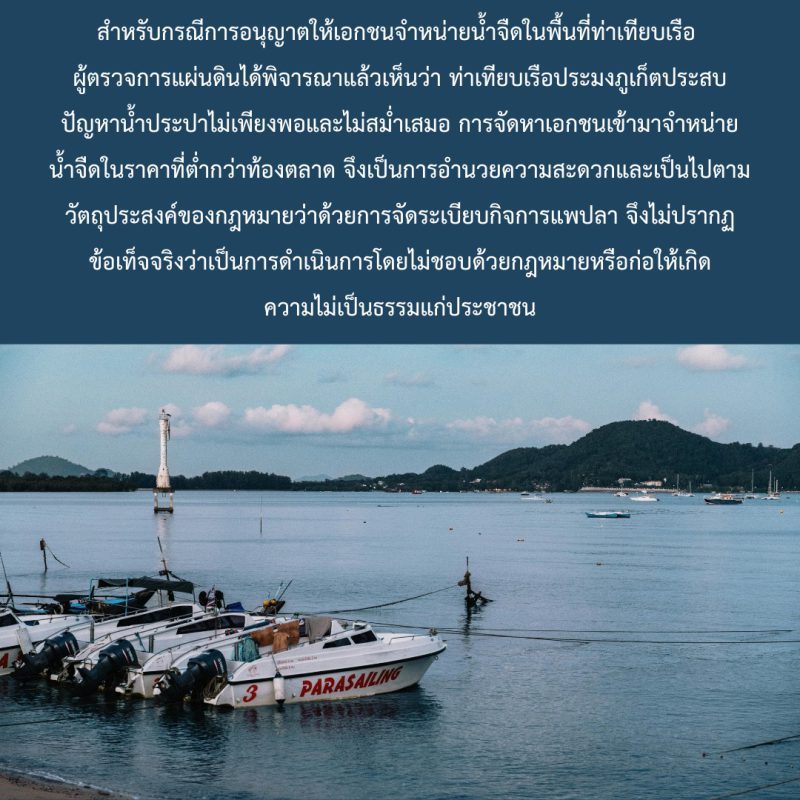
On the issue of water sales, the Ombudsman found that the port had faced inconsistent and insufficient water supply. Allowing a private company to sell fresh water at below-market prices was deemed appropriate and in line with regulations governing fish market operations. Investigators found no evidence of unfairness or legal violations.
Despite clearing the FMO of wrongdoing, the Ombudsman stressed the importance of balancing development with the needs of local stakeholders.
The report highlighted that government agencies managing public areas tied to local livelihoods must ensure fairness and consider the broader impact of their decisions.
To prevent future disputes, the Ombudsman recommended that the FMO establish clearer operational guidelines, particularly in cases involving the use of port assets that directly affect the fishing industry.
It also urged the organisation to actively seek input from local fishing operators before implementing projects, with a focus on ensuring that development plans support, rather than hinder, the long-term sustainability of the fishing sector.
The Ombudsman said fostering cooperation and mutual understanding between authorities and fishermen at the local level would be key to avoiding similar conflicts in the future.