


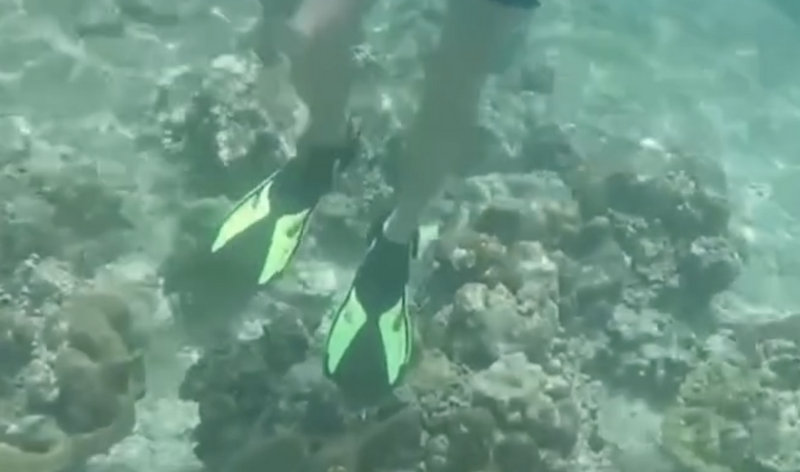
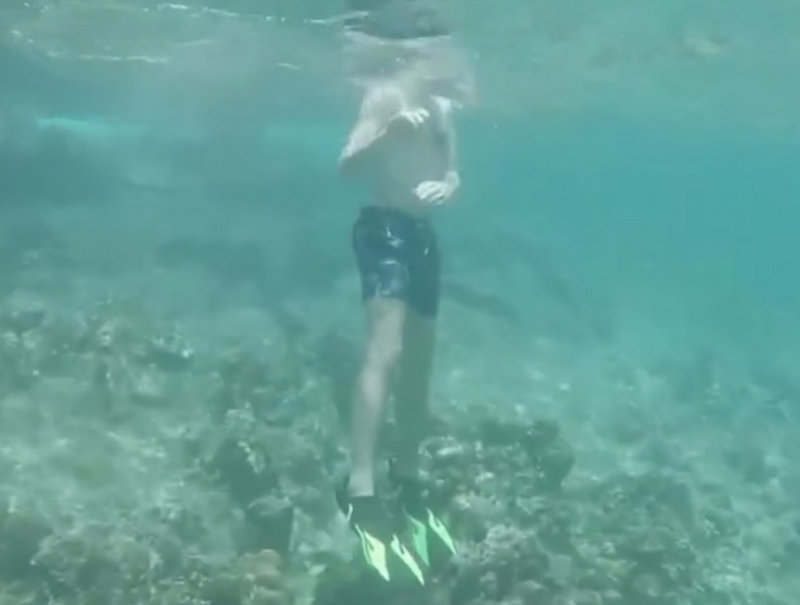
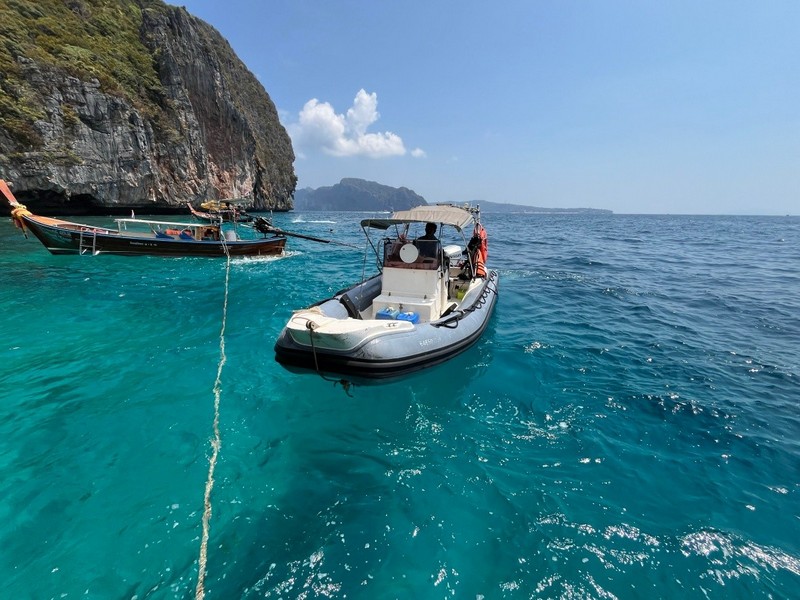
The incident, captured on video by a tour guide and widely shared online, shows a male tourist snorkelling before standing directly on coral formations ‒ a practice widely condemned as harmful to fragile marine ecosystems.
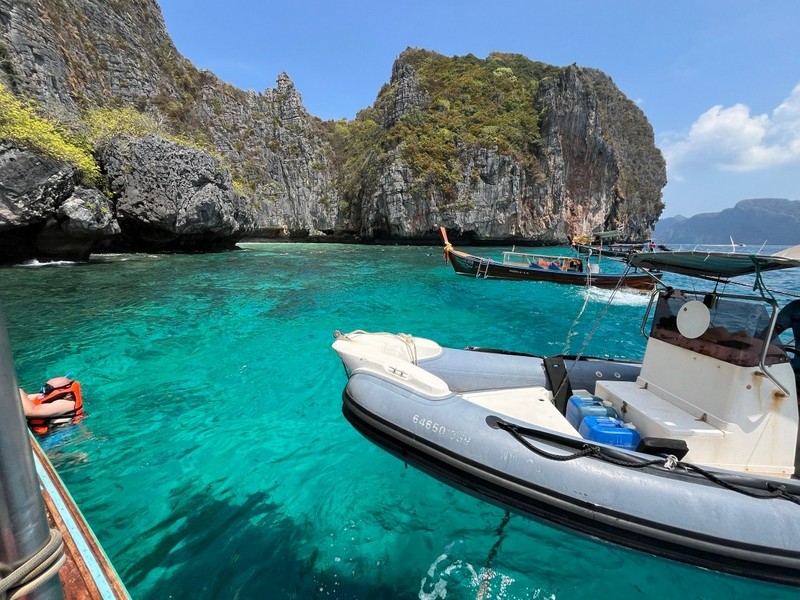
The clip, reportedly filmed on Apr 20 near Viking Cave on Phi Phi Leh Island, triggered a swift response from officials at Hat Nopparat Thara-Mu Ko Phi Phi National Park, who confirmed they are actively tracking down those responsible and preparing legal action.
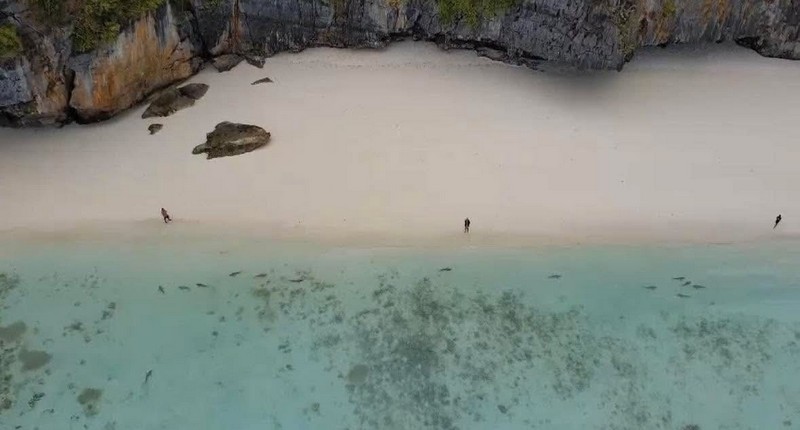
Park chief Saengsuree Songthong said the area has long been subject to strict zoning measures designed to protect coral reefs and marine life, including blacktip reef sharks and other species critical to the ecological balance of the bay.
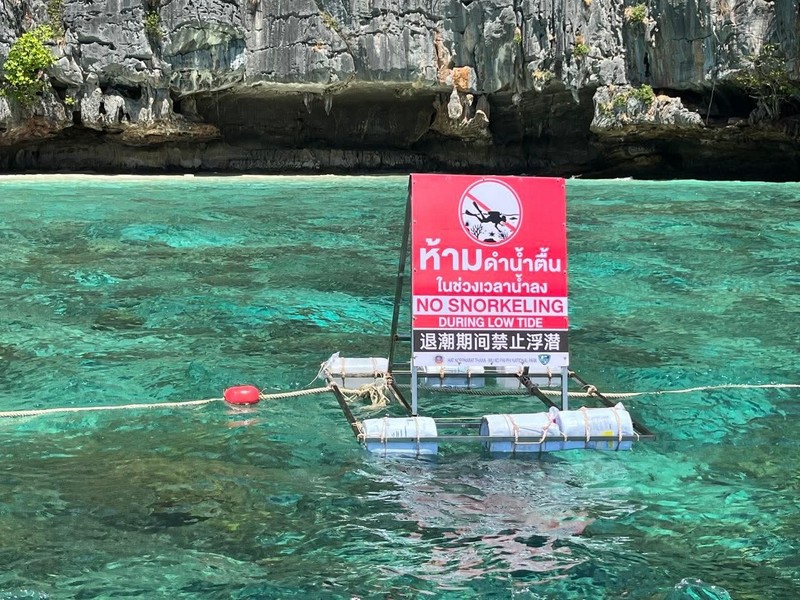
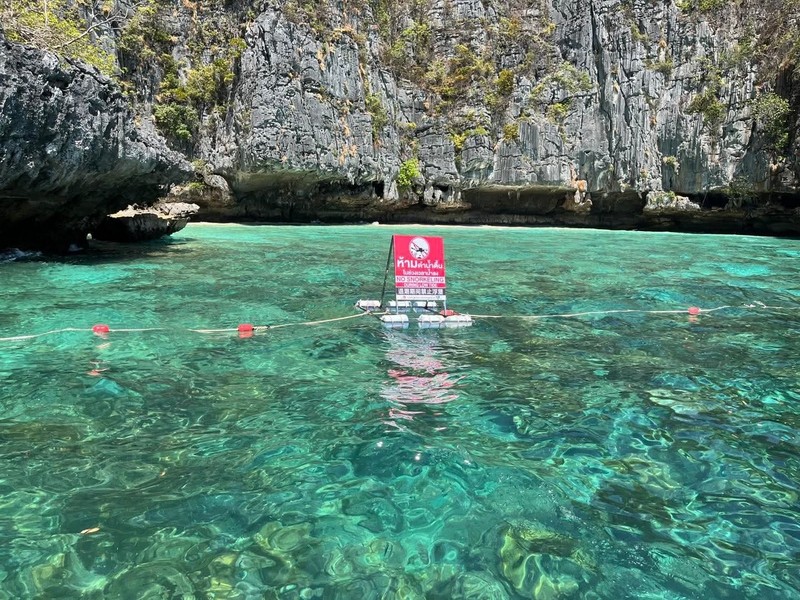
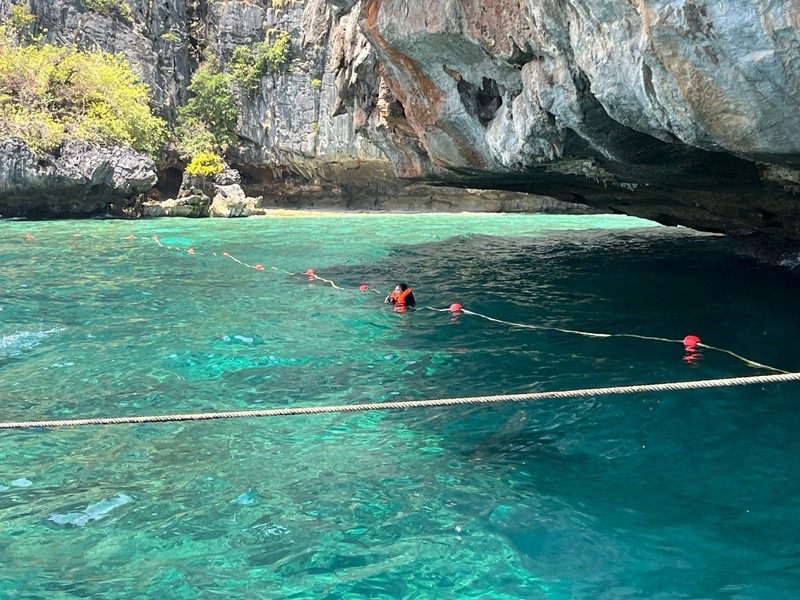
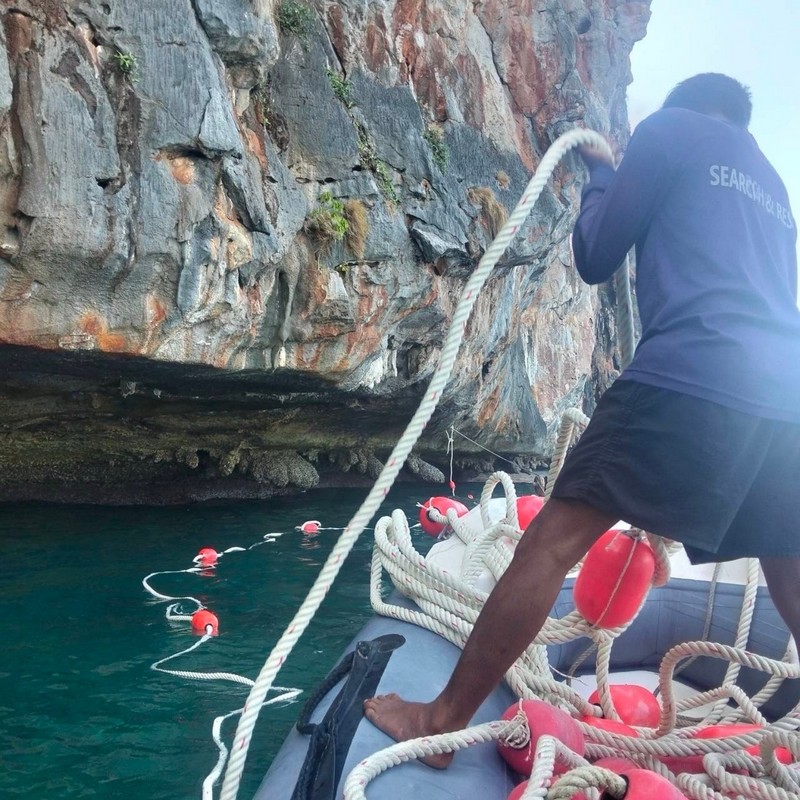
He explained that the waters around Viking Cave are divided into clearly marked zones using red buoys and rope barriers. While some outer areas are designated for snorkelling, inner zones ‒ particularly shallow reef sections ‒ are strictly off-limits to prevent physical damage to coral.
“Snorkelling in restricted areas, especially during low tide, risks direct contact with coral reefs, which can cause significant and lasting damage,” he said.
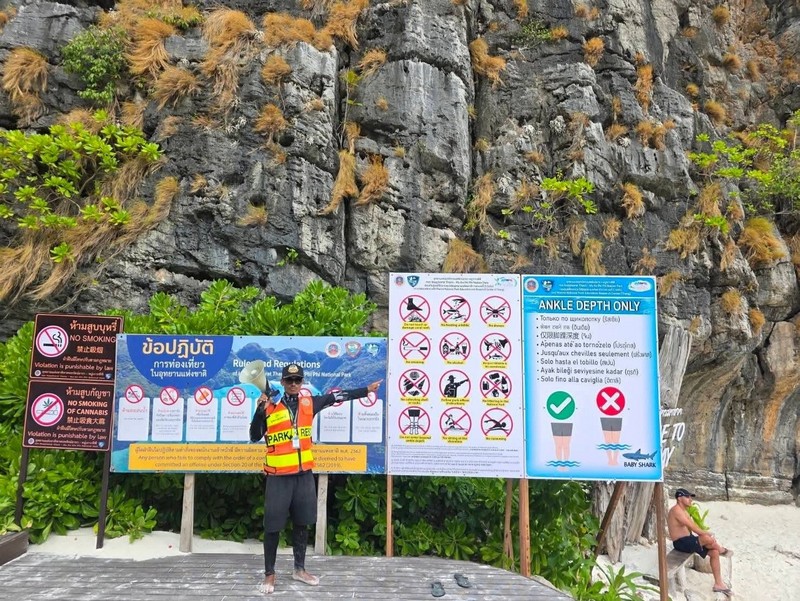
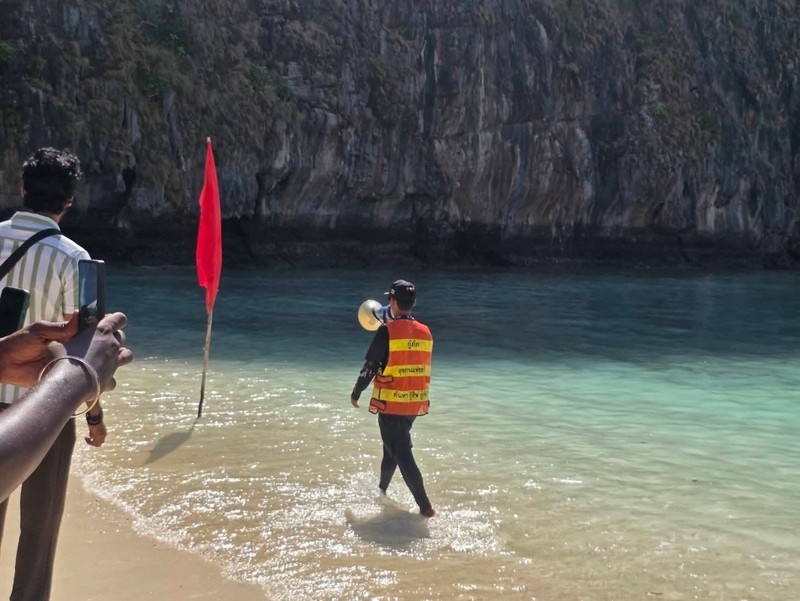
Officials stressed that the boundaries are clearly visible and reinforced through multilingual signage placed prominently throughout the area. Park rangers are also deployed to monitor tourist activity, while tide schedules are issued daily to help tour operators plan visits safely.
Despite these measures, the incident has raised concerns about ongoing violations and a lack of compliance among some visitors and guides.
The park confirmed it is investigating the tour company involved in the incident, with penalties expected under national park regulations. Authorities are also reviewing whether guides failed in their duty to control tourist behaviour.
Separately, the guide who filmed the footage claimed such incidents are not isolated, alleging that tourists stepping on coral occurs “almost daily”, particularly during peak hours when monitoring may be stretched.
He criticised some operators for failing to properly brief visitors on environmental rules, warning that repeated damage could have long-term consequences for one of Thailand’s most iconic marine destinations.
In response, park officials reiterated that ignorance of the rules will not be accepted as an excuse.
“Clear signs and clear regulations are already in place,” the park said in a statement. “All tourists must strictly follow instructions to help preserve the natural beauty of Thailand’s seas for future generations.”
The warning comes as visitor numbers to Maya Bay continue to surge, following its high-profile rehabilitation and reopening aimed at restoring damaged coral ecosystems.
Officials have since stepped up protective measures, including installing additional signage and reinforcing no-go zones, particularly in vulnerable reef areas and during low tide conditions.
Authorities are urging the public to report any violations directly to park staff or via hotlines, as part of a broader push to promote responsible tourism across the Phi Phi islands.
“Protecting these resources is a shared responsibility,” Mr Saengsuree said. “Without cooperation, the damage could become irreversible.”