


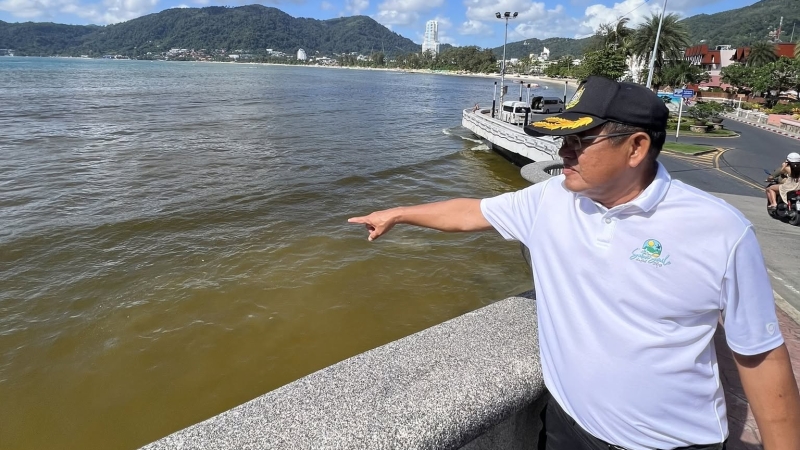
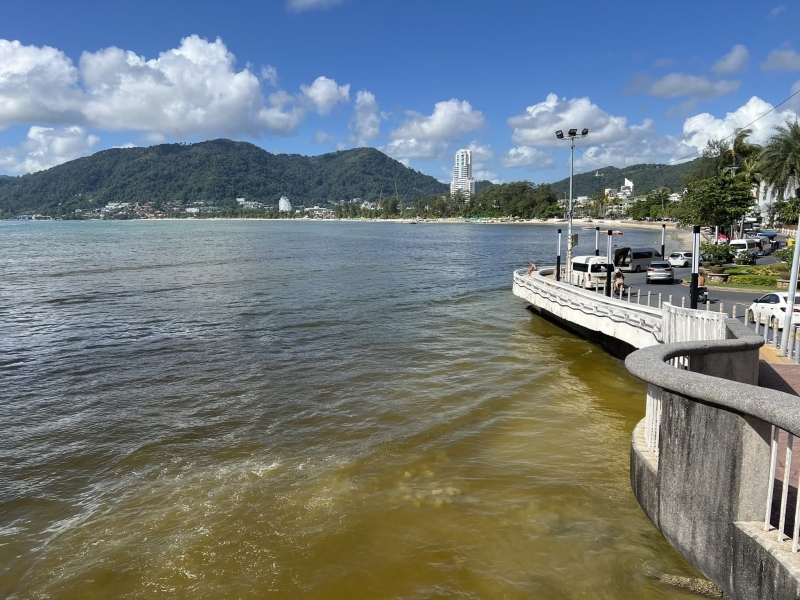
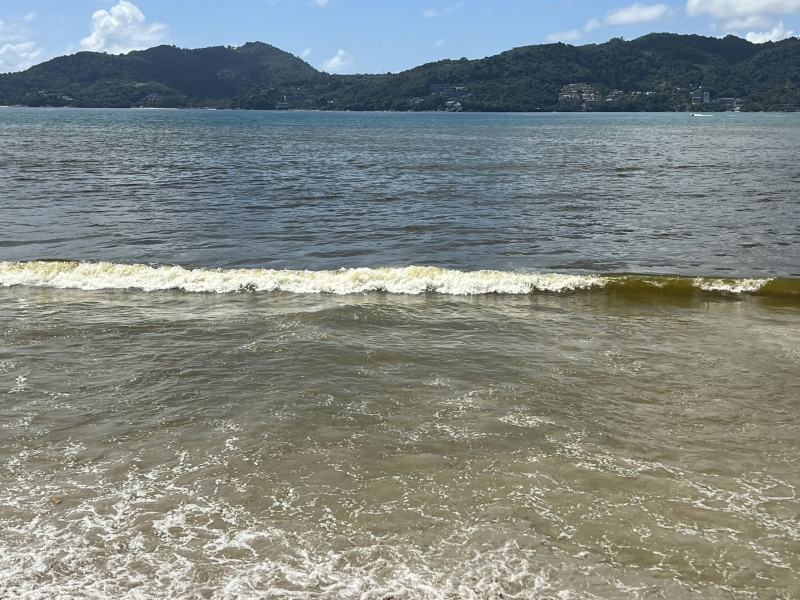
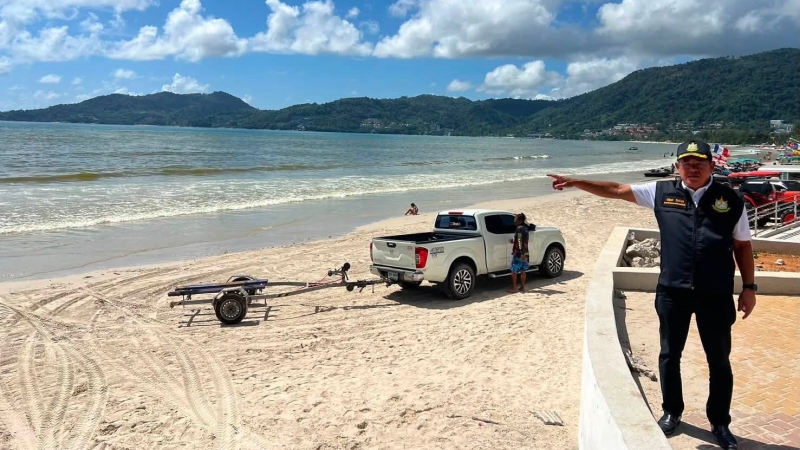
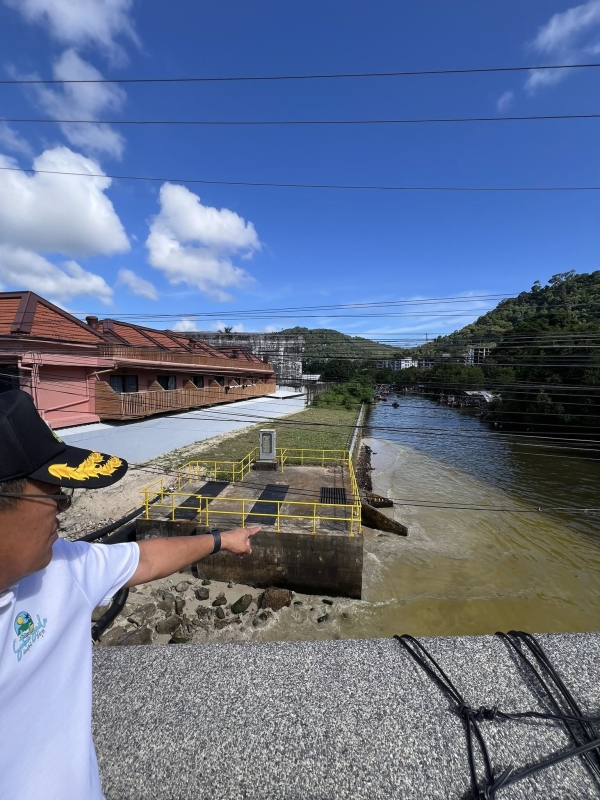
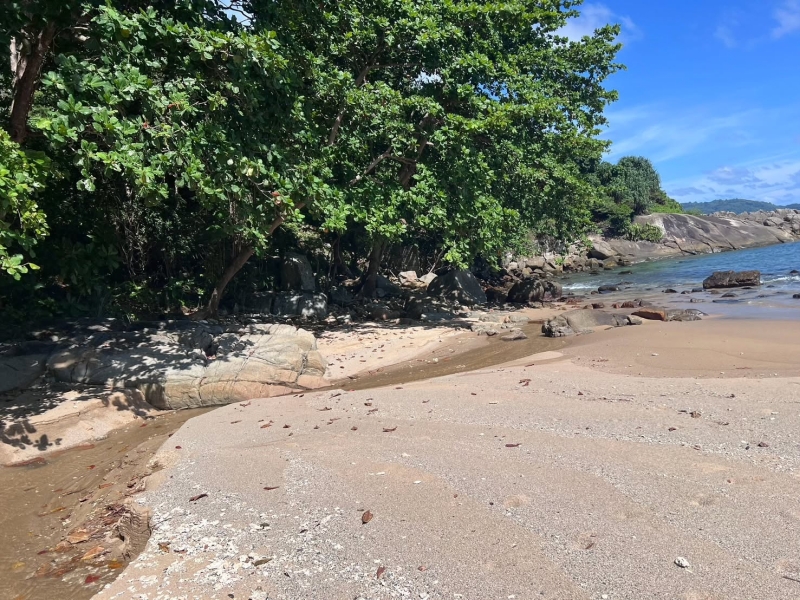
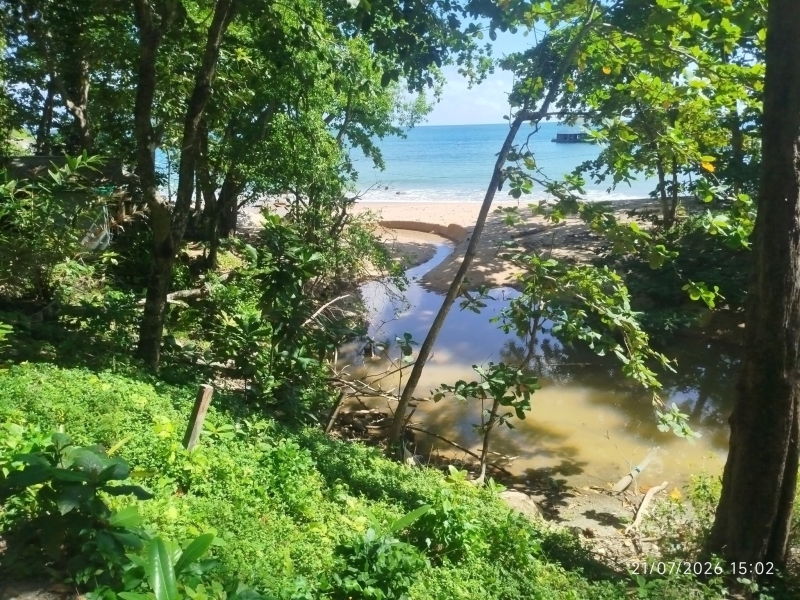
The inspection yesterday (July 21) followed reports of brown seawater stretching about 1.5 kilometres from the mouth of Khlong Pak Bang at the southern end of the beach, along with complaints that wastewater was being discharged into canals flowing into the sea.
The inspection was ordered after Minister of Natural Resources and Environment Suchart Chomklin and Deputy Interior Minister Worasit Liengprasit visited the area on Monday (July 20).
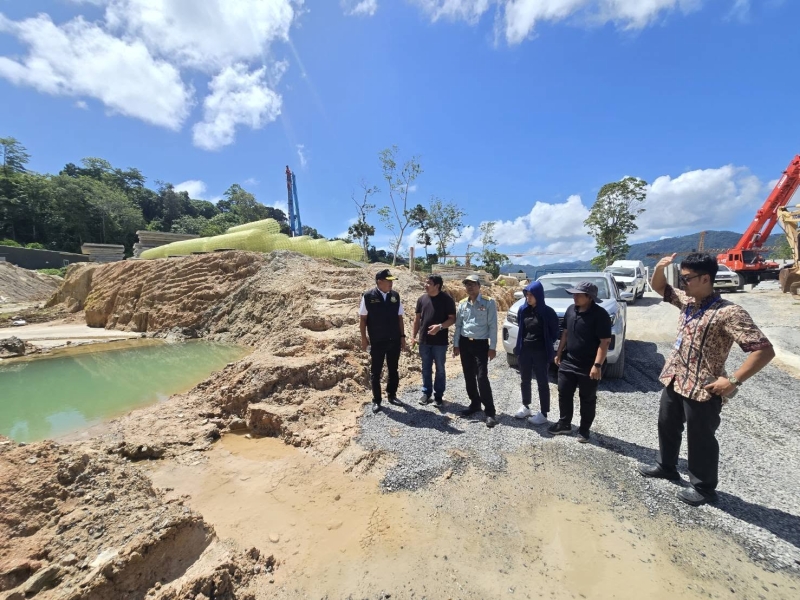
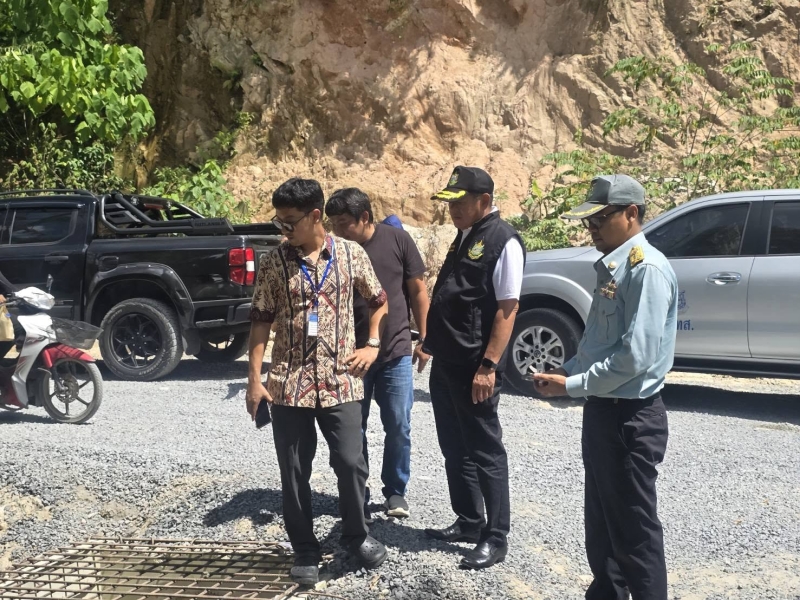
Chanthira Duangsai, Director of the Environmental and Pollution Control Office Region 15, assigned officials from the office’s Inspection and Law Enforcement Division, together with officers from the Phuket Provincial Office of Natural Resources and Environment and Patong Municipality, to inspect Patong Beach, Khlong Pak Bang and Kalim Beach.
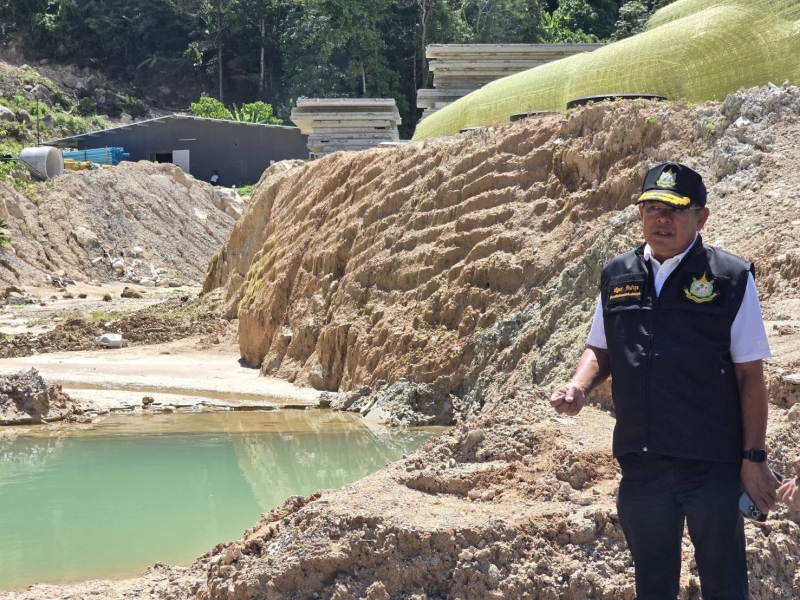
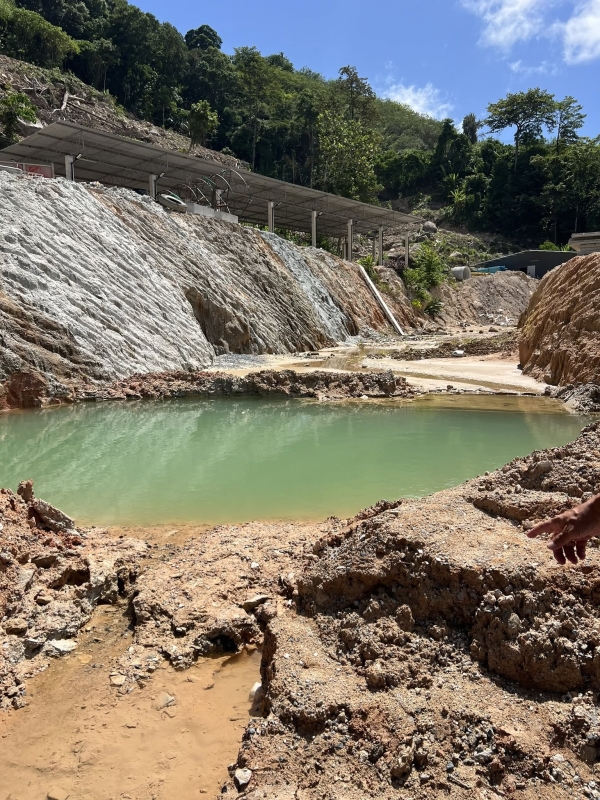
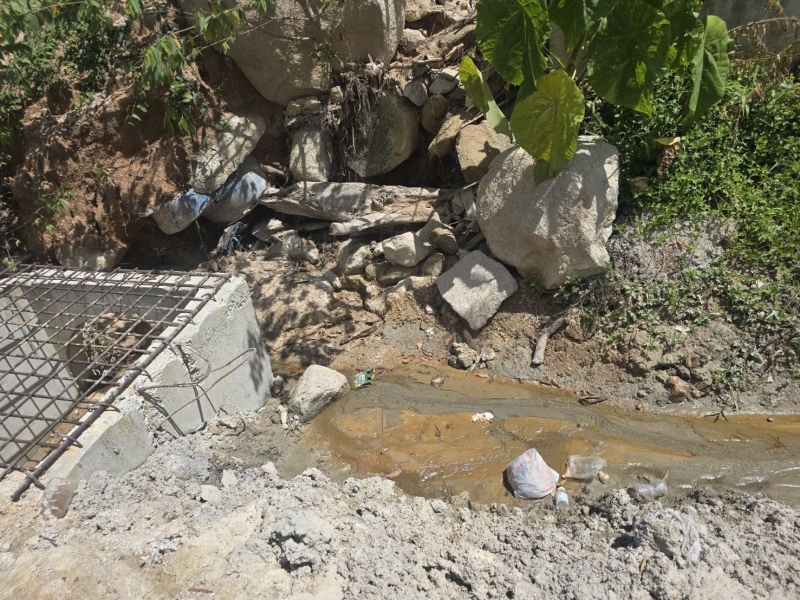
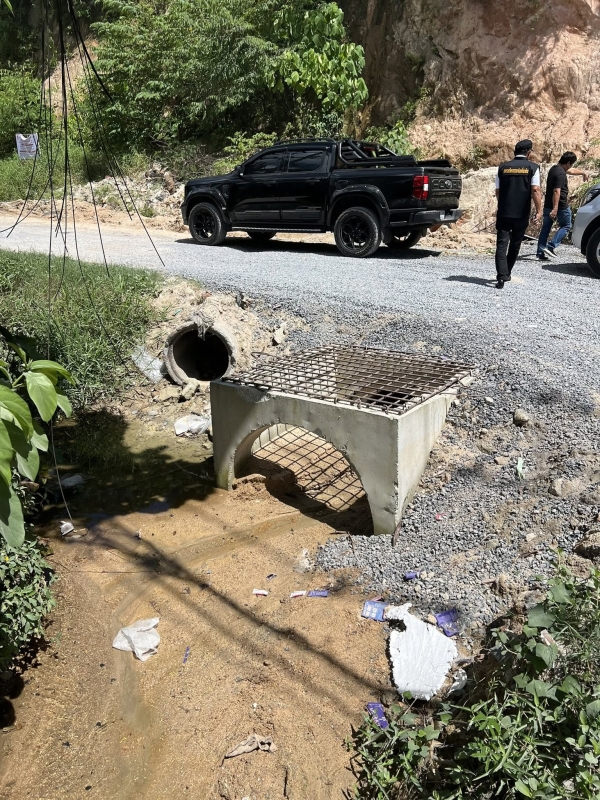
Officials investigated complaints that a nearby hotel construction site was releasing wastewater into Khlong Pak Bang but said they found no evidence of wastewater discharges.
Instead, inspectors said rain had washed concrete residue from the construction site into the canal. The contractor had already cleaned the area, they said, while officials ordered the installation of a sediment trap and instructed Patong Municipality to monitor compliance with environmental measures required under the project’s Environmental Impact Assessment.
Inspectors also examined Khlong Pak Bang, where the water was described as brownish-green during the afternoon high tide. Water samples were collected for laboratory analysis.
According to the Ministry of Natural Resources and Environment, officials found the seawater near the canal mouth was dark brown and affected by what they described as an algal bloom. The ministry said the high tide caused seawater to flow back into the canal, making the water appear very dark, almost black.
Inspectors also checked several drainage outlets at nearby Kalim Beach following complaints of wastewater entering the sea but reported the water flowing from the outlets was clear and showed no obvious signs of pollution.
The Environmental and Pollution Control Office Region 15 said it would continue monitoring the situation.
‘DISCOLOURED’ REPORTS
While authorities said their initial assessment is that the latest ‘discolouration’ may once again have been caused by yet another phytoplankton bloom, officials maintain that laboratory analysis of water samples collected this week will be used to determine the exact cause and identify any sources of pollution.
Yet, as with previous incidents, however, authorities this time ‒ again ‒ made no public explanation of what may have caused the reported phytoplankton bloom.
The latest investigation comes less than a month after Patong Municipality attributed blackened seawater at the southern end of Patong Beach to a phytoplankton bloom rather than untreated wastewater entering the sea.
Concerns over wastewater affecting Patong Bay predate that incident. During Pollution Control Department inspections in February, provincial officials acknowledged that elevated phosphate levels from wastewater could contribute to algae growth when combined with favourable environmental conditions.
Earlier the same month, officials attributed algae washing ashore to natural conditions and the presence of tour boats anchored in the bay.
The Patong wastewater treatment plant also discharges into Khlong Pak Bang, which empties into the southern end of Patong Beach, although authorities have never publicly identified the outfall as the direct cause of the recurring discolouration.
Laboratory results from the latest water samples are expected to determine whether pollution is contributing to the latest incident.