


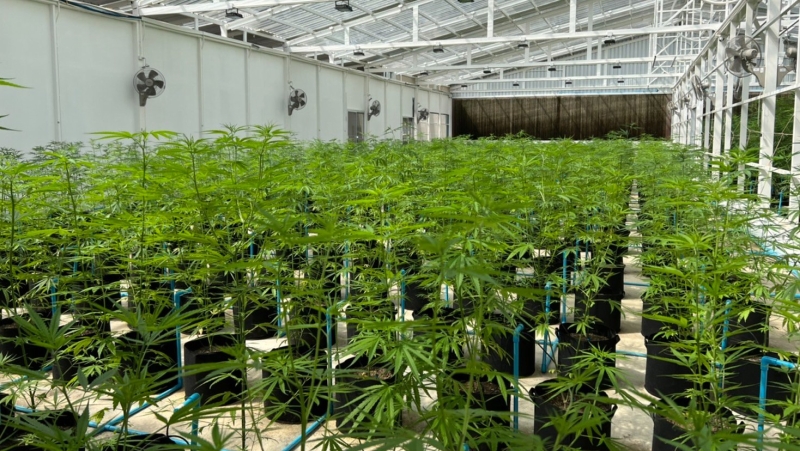
The new draft law on cannabis, including its production and commercial use, is currently being considered by Parliament. Some details have recently emerged in the media and there is some speculation on its final form.
We know that the law will allow Thai people to register to grow up to 15 cannabis plants, regardless of THC content, for household use. People would also be allowed to grow up to five rai of hemp plants per household.
The extension of restrictions to low THC hemp marks a few steps backwards from the previous policies, and it will be interesting to see how far the new act limits hemp growth and sales.
For business and commercial purposes, the proposed Act will mean anyone who grows, processes, or extracts THC or CBD from cannabis must obtain a licence. The terms and requirements for these licences aren’t clear, but pure recreational use will likely be prohibited.
Penalties for not having the correct grow licence varies from up to a one-year jail term and/or a fine of up to B100,000 for growing no more than five rai of cannabis, to a jail term of no more than three years and/or a fine of up to B300,000 for larger operators.
Only Thai nationals aged 20 years and up will be allowed to grow commercially, while legal entities must be owned and operated by Thais. This means that most shares (previously stated as 66%) and two-thirds of the Directors must be Thai.
Others allowed to register, grow, and prescribe cannabis include hospitals, medical practitioners, traditional Thai and Chinese medical practitioners, state agencies and the Thai Red Cross Society. Although these institutions and practitioners can supposedly make medicines from cannabis without seeking permission, how they will be ultimately regulated and able to prescribe cannabis-based therapeutics isn’t clear.
To counter UN criticism of Thailand’s radical face on cannabis, it seems a “light touch” medical regime may be foreshadowed where cannabis will be available but only if deemed to have therapeutic benefits.
Extracting, producing, and importing cannabis and hemp, products made from them, will be subject to additional legislation.
Section 37/1 of the bill will strictly prohibit online advertising of any product containing cannabis, as well as ban the sale of any equipment used for smoking. Selling cannabis and cannabis-based products online or through vending machines will also be prohibited.
Consistent with present restrictions, Section 37 of the Act bans the sale of cannabis and hemp, as well as extracts and food made from them, to people aged less than 20, pregnant women, and breastfeeding women. Civil and criminal penalties will apply.
Medical hemp may be caught by increased regulations, and we will need to see how broad these new restrictions will be in practice given the previously light restraints.
The sale and use of cannabis will continue to be prohibited in temples, religious premises, schools, parks, educational institutes, public parks and other premises such as restaurants.
The new Act tries to restrict consumption of cannabis to medical use to the home or a limited number of well-regulated venues. This will dramatically reduce the avenues for the sale of recreational cannabis and, supposedly, better protect non-users from exposure to cannabis and second-hand smoke and vapours.
By Dr Paul Crosio
Contact info@silklegal.com to learn more about the proposed cannabis laws in Thailand as they emerge and how to set up a business in cannabis.
Silk Legal is a boutique law firm that focuses on complex legal matters in Thailand. We are a full-service commercial law firm with dedicated practice areas in corporate and commercial, restructuring and insolvency, mergers and acquisitions, and regulatory matters.