


Acquiring the loan began in earnest after a meeting on Feb 7, presided over by Deputy Prime Minister and Public Health Minister Anutin Charnvirakul, when it was agreed that a proposal to the NHSO board would encompass reimbursement claims from Dec last year to Sept this year, reports the Bangkok Post.
The loan distribution is further divided into two segments: B34.52bn for the period Dec 2021 to Feb 2022, and B16.53bn for March to Sept 2022.
For the first segment, COVID-19 service costs will be calculated based on the real expenses of payments processed from Dec last year to Jan, while the rate for Feb will be calculated based on real expenses and average number of patients since April last year. New figures for COVID-19 service costs will be calculated for the loan’s second segment.
Of B16.53bn, B9.69bn is set for health promotion and COVID-19 prevention; B6.104bn for medical expenses for COVID-19 patients including vaccine side effect treatment; and B732.64 million for compensation related to vaccines and services.
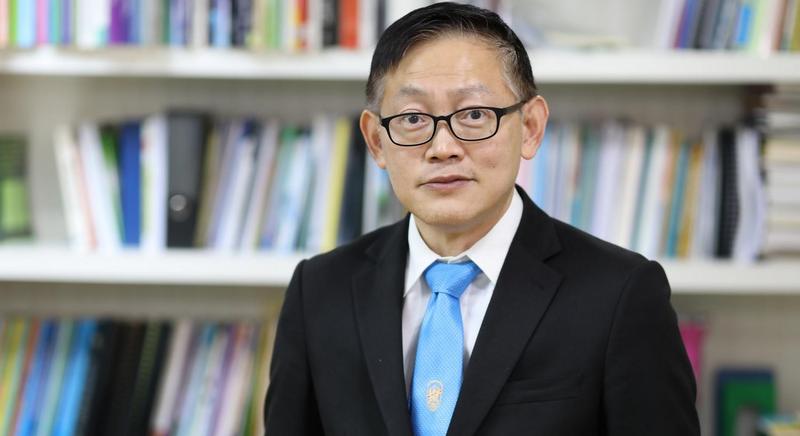
NHSO secretary-general Jadej Thammatacharee said budget calculations for March-Sept 2022 are based on an expected reduction in severity of the Omicron variant, along with a decrease in amounts originally earmarked for reimbursement claims as agreed by the NHSO board to alleviate the burden on the national budget.
Dr Jadej also said cost adjustments were made for elements such as COVID-19 testing and PPE based on a seventh-month projection, thus reducing budget requirements by more than B1.72bn.
Costs of specific medical services were likewise reduced, for instance professional ATK testing with chromatography and fluorescent immunoassay (FIA) methods were reduced to B250 and B350 respectively. Other revised costs include RT-PCR test for detection of two target genes at B900 and three target genes at B1,100.