


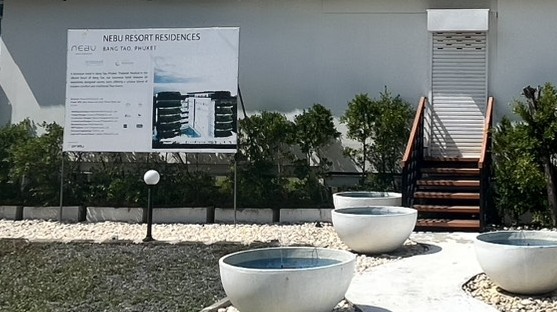
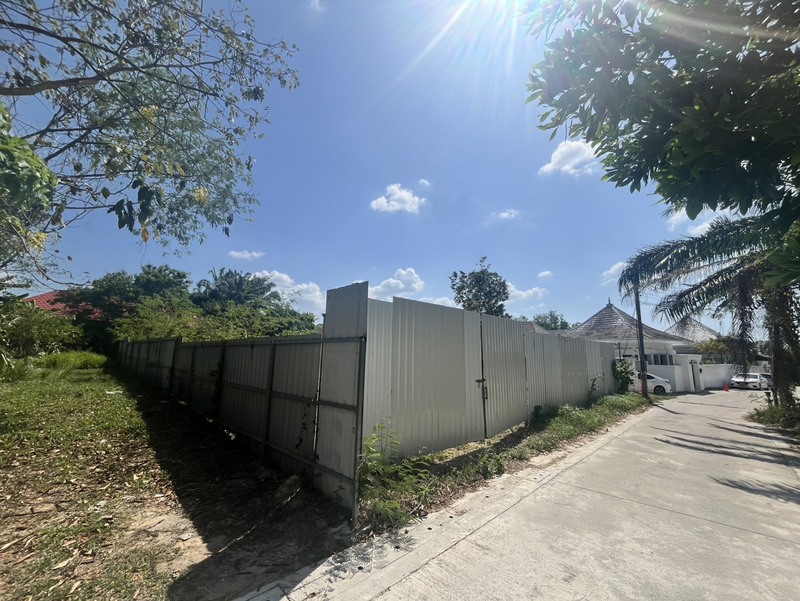
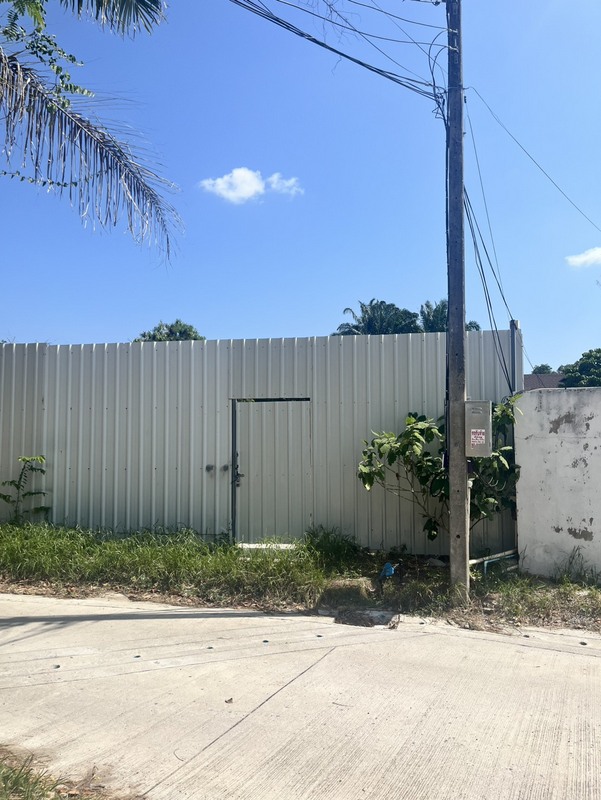
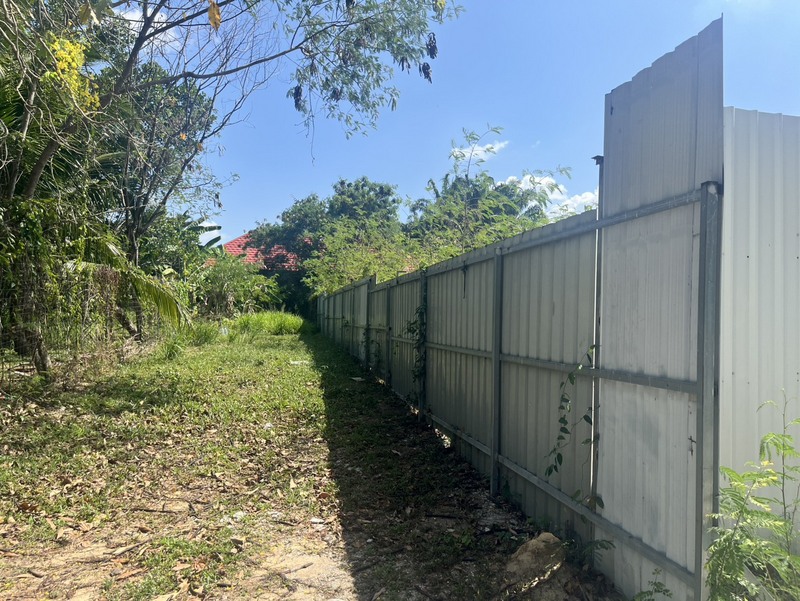
Local residents contacted The Phuket News after project sales staff reportedly told prospective buyers that the development had received permission to proceed.
When contacted, a Nebu representative who later asked not to be named indicated that the project had received building permission from the Cherng Talay Tambon Administration Organisation (OrBorTor).
However, the company had not provided a detailed statement or supporting documentation regarding the approval by press time.
In a brief reply, the representative said the company was reviewing the matter internally and would provide a response next week.
The project, previously described as a multi-storey hotel development on a small plot of land in a designated low-density residential ‘Yellow Zone’, has been the subject of sustained community opposition and parliamentary scrutiny.
Cherng Talay OrBorTor Chief Manoch Panchalad confirmed that the project had received approval under relevant laws.
“The project has been granted permission under the Building Control Act and related environmental regulations. The review process followed the required legal procedures,” he said.
However, when asked about the specific conditions attached to the approval, including building height limits, parking provisions and the management of construction traffic in the narrow residential lane, Mr Manoch declined to provide further details.
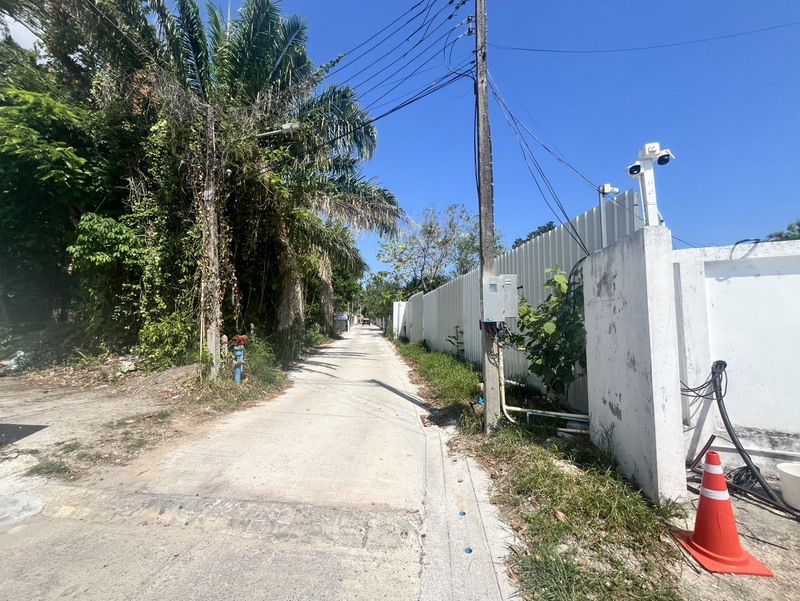
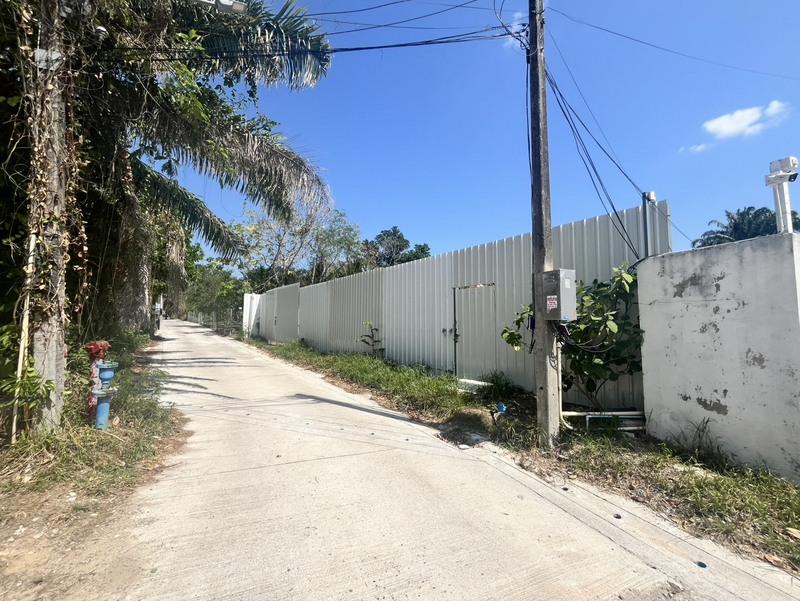
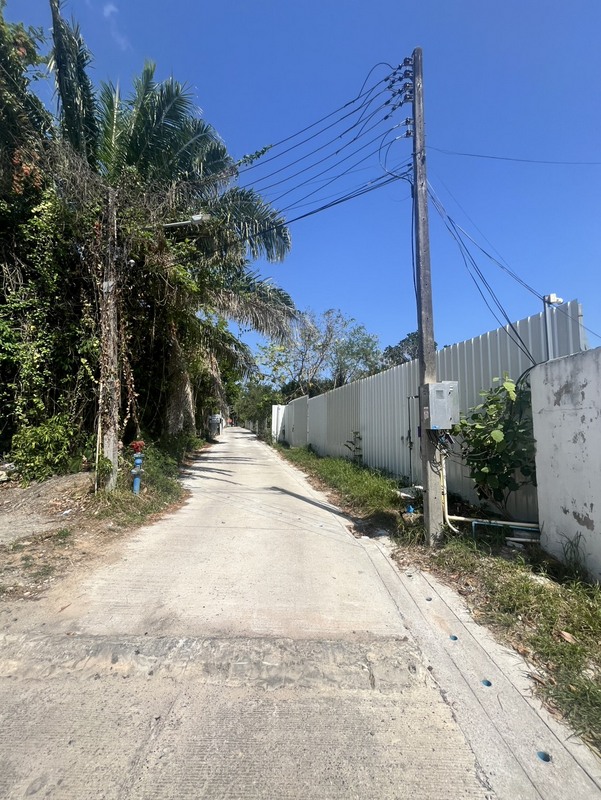
He also declined to address concerns raised by residents regarding the width of Pasak Soi 6 and whether large construction vehicles could legally access the road.
“If residents have questions, they can contact the OrBorTor directly for information,” he said before quickly terminating the conversation.
PREVIOUS HALT ORDER
The issue drew national attention last year after local residents petitioned authorities over the project, citing zoning violations, traffic risks and environmental concerns.
During a site visit in February last year, then-Phuket MP Thitikan Thitipruethikul, spokesperson for the House Committee on Land, Natural Resources and Environment, questioned how a hotel project had been approved in a Yellow Zone, which is typically reserved for low-density residential development.
At the time, officials ordered all construction at the site to be suspended pending a review of the EIA process.
The proposed development was described as a seven-storey, 23-metre-high hotel with 89 rooms on a 1,200-square-metre plot, with only 20 parking spaces planned.
Residents argued the project would worsen existing infrastructure problems in the area, including flooding, traffic congestion and limited road access.
Concerns were also raised about the public consultation process used for the EIA, with residents claiming the report listed public approval figures without identifying participants.
One of the central issues raised was whether the narrow residential road could legally accommodate construction traffic and future hotel operations.
Similar enforcement measures have been applied in other parts of Phuket, such as Soi Ta-iad in Chalong, where large tour buses were later banned after authorities began enforcing road-width regulations.
Whether similar restrictions could apply to Pasak Soi 6 if traffic laws were strictly enforced was also raised. However, Cherng Talay OrBorTor declined to answer questions on the issue.