


A source at the NACC said the move followed a recommendation by the anti-graft agency’s corruption monitoring and appraisal panel, reports the Bangkok Post.
The committee is chaired by Supa Piyajitti, an NACC member, and comprises representatives of various government agencies. It is tasked with gathering, studying and analysing information regarding the B10,000 digital handout scheme and coming up with measures to prevent any potential policy-oriented corruption stemming from the scheme.
The committee will also work with other relevant agencies and persons to support its study and gather opinions and suggestions on how to prevent potential policy corruption involving the scheme from other sectors.
However, Deputy Finance Minister Julapun Amornvivat said yesterday (Oct 26) that the digital money handout may face a delay and a reduction in scope as it will only cover the poor.
Following a meeting of a sub-committee overseeing the project implementation on Wednesday, Mr Julapun said that the sub-committee recommended limiting the handout to 15–16 million people who have state welfare cards or individuals meeting specific wealth criteria based on income or savings.
If limited to the 15–16mn welfare cardholders, the scheme will cost the state B150–160 billion. The sub-committee also suggested extending eligibility to those meeting specific salary or savings criteria.
Mr Julapun said if the handout excludes people earning more than B25,000 monthly or having at least B100,000 in deposits, the scheme will cover about 43mn people, costing about B430bn.
Another optional proposal by the sub-committee excluded individuals earning over B50,000 monthly or having savings exceeding B500,000. In this scenario, the handout would cover 49mn recipients, costing the state B490bn.
The government initially planned to distribute B10,000 worth of digital money to each Thai aged 16 years and over. But with 54.8mn people meeting the original condition, concerns arose about the significant burden of over B500bn affecting the country’s financial stability.
The sub-committee concluded that the handout scheme should be funded mainly by the national budget, about B100bn annually, starting from the 2024 fiscal year.
Under this condition, the scheme would be delayed until April or May next year, pending approval of the 2024 national budget, Mr Julapun said. Previously, the government intended to hand out the digital money on Feb 1 next year.
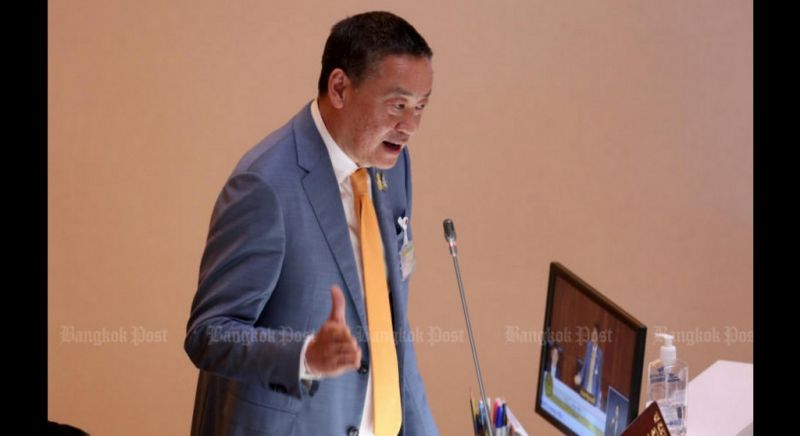
Prime Minister and Finance Minister Srettha Thavisin said yesterday he had received the proposals from the sub-committee. He said he will discuss these proposals with relevant authorities, including the secretary-general of the National Economic and Social Development Council.
“At this stage, I have not yet concluded whether or how the handout scheme would be downsized,” said Mr Srettha. “To avoid confusion, I would like all the details of the project to be finalised before making an official announcement.”